
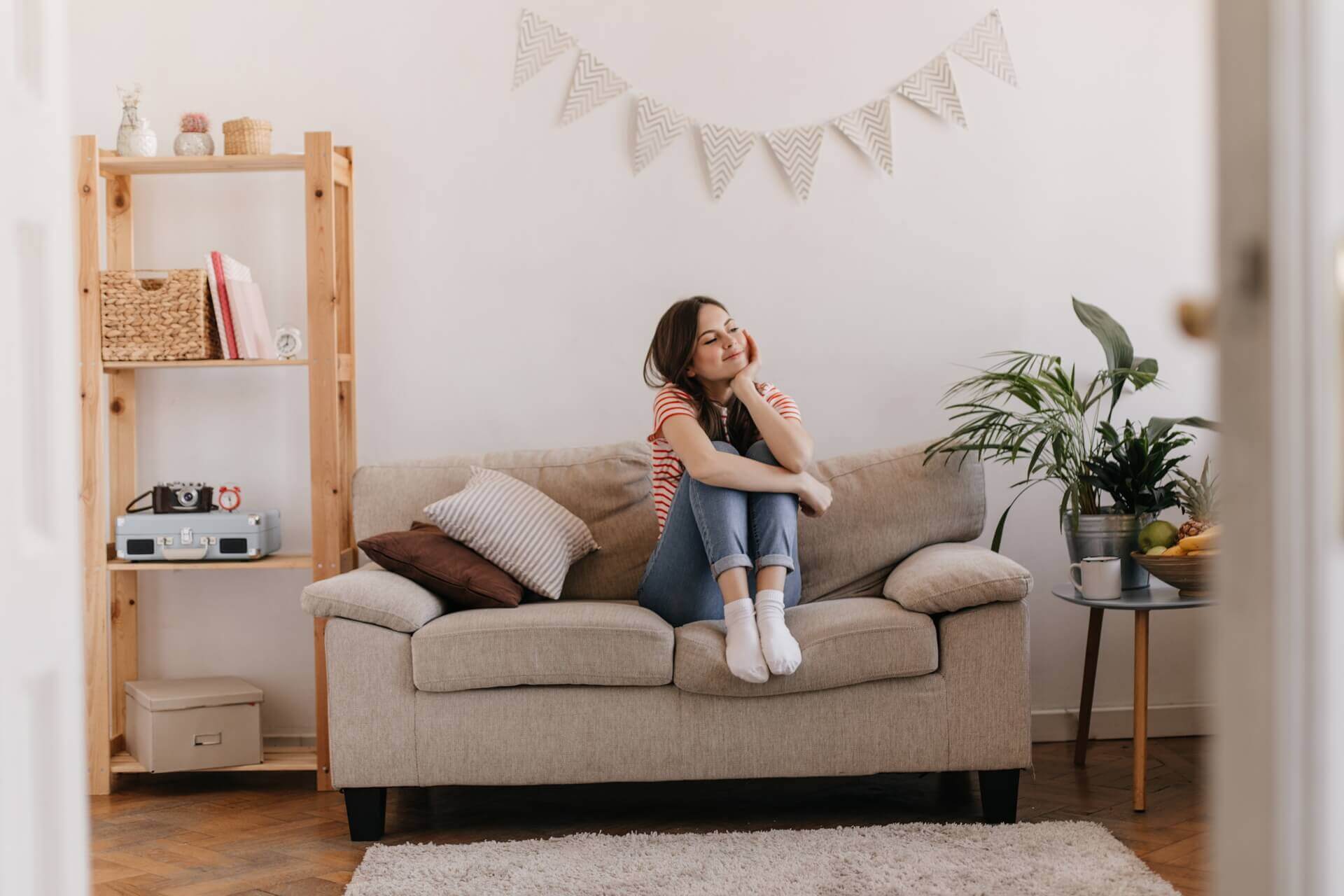
Modern Living Trends That Are Changing Everyday Homes
Discover how modern living trends are reshaping everyday homes, offering fresh inspiration and innovative lifestyle ideas for contemporary interiors and smart home integration. In a world that’s constantly evolving, our living spaces are no exception. We’re witnessing a dynamic shift in how we design, utilize, and experience our homes, moving towards solutions that prioritize comfort, efficiency, and personal well-being.
The Rise of Minimalism and Decluttering
One of the most prominent modern living trends is the embrace of minimalism. This philosophy extends beyond mere aesthetics, focusing on intentional living and simplifying our surroundings. Decluttering is not just about tidiness; it’s about curating possessions that add value and joy to our lives. This trend encourages a mindful approach to consumption, leading to more organized and peaceful living environments.
Key Principles of Minimalist Living
- Focus on essential items.
- Embrace multi-functional furniture.
- Utilize smart storage solutions.
- Prioritize quality over quantity.
- Create a serene and uncluttered atmosphere.
By adopting minimalist principles, homeowners can create spaces that feel more expansive, calmer, and easier to maintain. This trend is deeply intertwined with the idea of creating a sanctuary away from the hustle and bustle of modern life.
Smart Home Technology Integration
Smart home technology is no longer a futuristic concept; it’s a rapidly growing aspect of everyday living. From automated lighting and climate control to advanced security systems and voice-activated assistants, smart devices are making our homes more convenient, energy-efficient, and secure. These innovations are designed to simplify tasks, personalize comfort, and provide seamless control over various home functions.
Examples of Smart Home Innovations
- Smart thermostats that learn your schedule and optimize energy usage.
- Voice-controlled lighting systems for ambiance and convenience.
- Smart security cameras and doorbells for enhanced safety.
- Automated blinds and curtains for light control and privacy.
- Smart appliances that can be controlled remotely.
The integration of smart technology offers unparalleled convenience and can significantly contribute to a more sustainable lifestyle by optimizing resource consumption.
Biophilic Design: Bringing Nature Indoors
Biophilic design is another significant trend focused on connecting inhabitants with nature. This approach incorporates natural elements such as plants, natural light, and organic materials into interior design. The aim is to foster a sense of well-being and reduce stress by creating environments that mimic natural settings.
Elements of Biophilic Design
- Abundant natural light through large windows and skylights.
- Incorporation of indoor plants and vertical gardens.
- Use of natural materials like wood, stone, and bamboo.
- Water features and natural patterns.
- Views of nature or natural landscapes.
Bringing the outdoors in not only enhances the aesthetic appeal of a home but also positively impacts mental and physical health, improving air quality and creating a more tranquil atmosphere.
Sustainable and Eco-Friendly Living
Environmental consciousness is increasingly influencing home design and lifestyle choices. Modern living trends emphasize sustainability through the use of eco-friendly materials, energy-efficient appliances, and water-saving fixtures. This commitment to sustainability extends to practices like recycling, composting, and reducing overall waste.
Practices for Sustainable Homes
- Using recycled or reclaimed building materials.
- Installing solar panels for renewable energy.
- Choosing energy-efficient lighting and appliances.
- Implementing rainwater harvesting systems.
- Reducing single-use plastics and improving waste management.
Adopting sustainable practices in the home not only benefits the environment but can also lead to long-term cost savings and a healthier living space.
Flexible and Multi-Functional Spaces
The way we use our homes has changed, leading to a demand for flexible and multi-functional spaces. With the rise of remote work and changing family dynamics, rooms need to adapt to various needs. This trend favors open-plan layouts, modular furniture, and adaptable designs that can transition seamlessly between different uses.
Creating Adaptable Living Areas
- Using room dividers or sliding doors to create flexible zones.
- Investing in furniture that serves multiple purposes (e.g., sofa beds, extendable tables).
- Designing dedicated home office nooks that can be easily concealed.
- Utilizing vertical space for storage and functionality.
- Employing neutral color palettes that allow for easy personalization.
These adaptable spaces ensure that homes can evolve with the occupants’ needs, maximizing utility and comfort in a contemporary setting.
Conclusion: Embracing the Future of Home Living
Modern living trends are fundamentally reshaping our everyday homes, making them smarter, more sustainable, and more attuned to our well-being. From the serene simplicity of minimalism and the integration of nature through biophilic design, to the convenience of smart technology and the adaptability of multi-functional spaces, these shifts offer exciting possibilities for creating personalized, comfortable, and efficient living environments. By embracing these contemporary interior design and lifestyle ideas, we can transform our houses into true havens that reflect our modern lives.
What modern living trends are you incorporating into your home? Share your thoughts and experiences in the comments below!