
Why Emotional Wellbeing Matters in Modern Family Life
Discover how emotional wellbeing is transforming modern family life and find fresh home decor inspiration to create a sanctuary that nurtures your loved ones. In today’s fast-paced world, the focus on mental and emotional health within the family unit has never been more critical. This article delves into the profound connection between a positive emotional environment and the overall happiness and development of family members, offering practical insights and inspiring ideas for your home.
The Foundation of a Happy Home: Emotional Wellbeing
Emotional wellbeing is the cornerstone of a thriving family. It encompasses feelings of contentment, happiness, and the ability to cope with life’s challenges. When family members feel emotionally secure and supported, they are more likely to be resilient, communicative, and engaged with each other. Modern family life, with its myriad demands and pressures, often necessitates a conscious effort to cultivate this vital aspect of well-being.
Understanding Emotional Needs in Families
Each family member has unique emotional needs that evolve with age and life circumstances. For children, a sense of safety, love, and belonging is paramount for healthy development. For adults, managing stress, maintaining personal identity, and fostering strong relationships are key. Recognizing and actively addressing these needs creates a supportive atmosphere where everyone can flourish. This involves active listening, empathy, and open communication.
Creating a Sanctuary: Interior Inspiration and Home Decor
The physical environment of our homes plays a significant role in shaping our emotional state. A well-designed home can be more than just a place to live; it can be a sanctuary that promotes peace, comfort, and connection. Interior inspiration tailored to fostering emotional wellbeing can transform ordinary spaces into havens of tranquility and joy.
Color Psychology and Mood Enhancement
Colors have a powerful impact on our emotions. Soft, calming colors like blues, greens, and gentle neutrals can create a serene atmosphere, reducing stress and promoting relaxation. Warmer tones like subtle yellows or soft oranges can foster feelings of warmth and happiness. Strategic use of color in different rooms can cater to specific moods – for instance, calming colors in bedrooms and more uplifting tones in common areas.
The Power of Natural Light and Biophilic Design
Maximizing natural light is crucial for both physical and mental health. Large windows, strategically placed mirrors, and light-colored furnishings can enhance the natural illumination in a home. Incorporating elements of nature, known as biophilic design, through houseplants, natural materials like wood and stone, and views of greenery, can significantly reduce stress and improve mood. These elements connect us to the natural world, fostering a sense of calm and grounding.
Creating Cozy and Inviting Spaces
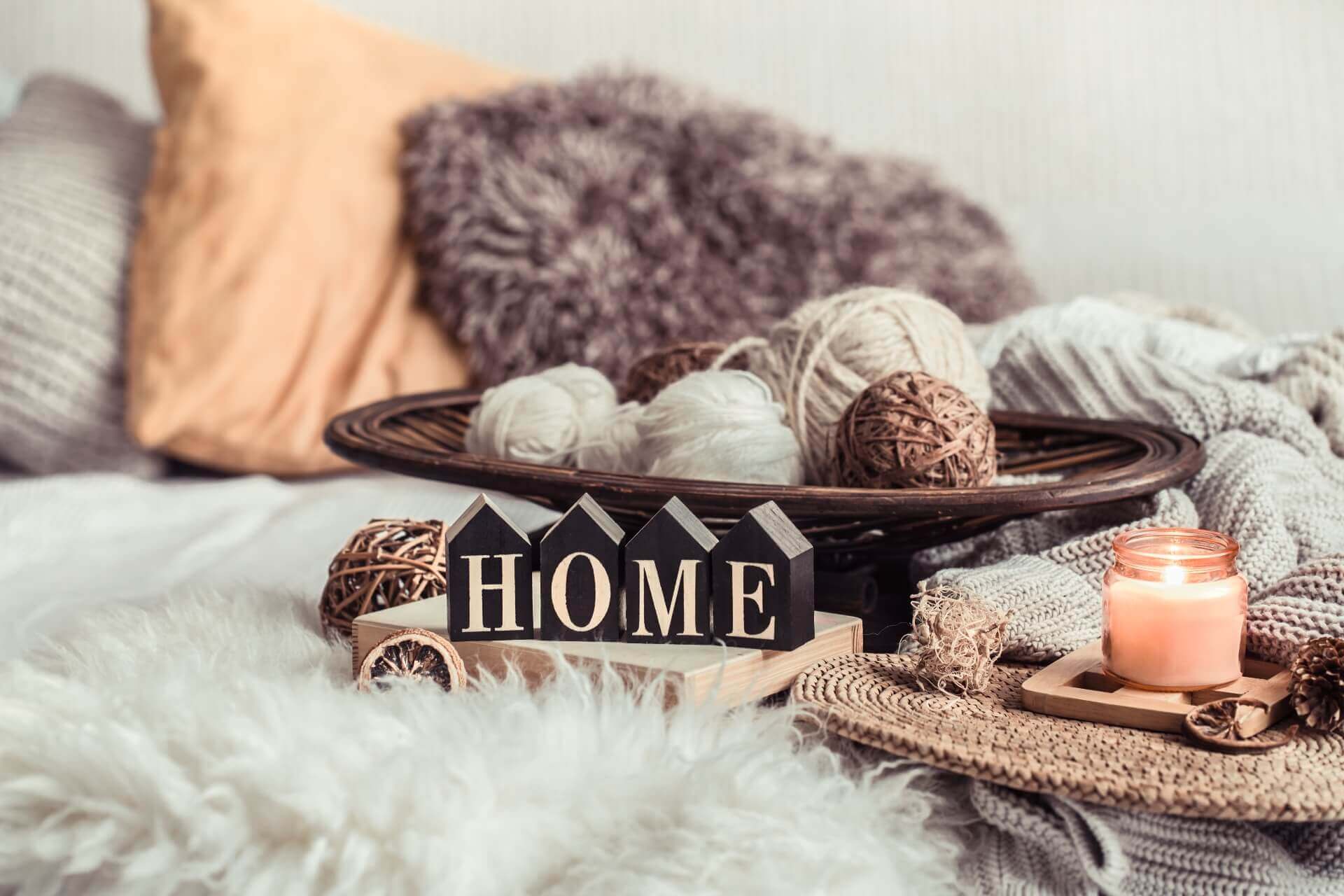
Comfortable seating, soft textiles like throws and cushions, and personalized decorative elements contribute to a cozy and inviting atmosphere. Creating dedicated spaces for relaxation, hobbies, or family time can enhance the sense of belonging and shared experience. Consider creating a reading nook, a family game area, or a comfortable seating arrangement that encourages conversation.
Practical Tips for Nurturing Family Emotional Wellbeing
Beyond the aesthetics of home decor, several practical strategies can bolster emotional wellbeing within modern families. These are often simple yet profoundly effective in strengthening bonds and fostering a positive environment.
- Prioritize quality time: Schedule regular family activities, whether it’s a shared meal, a game night, or an outing.
- Encourage open communication: Create a safe space where family members feel comfortable expressing their thoughts and feelings without judgment.
- Practice mindfulness and stress-reduction techniques: Incorporate activities like deep breathing exercises, meditation, or journaling.
- Celebrate successes, big and small: Acknowledge and appreciate each other’s achievements and efforts.
- Establish healthy routines: Consistent routines for sleep, meals, and activities can provide a sense of stability and security.
- Seek professional support when needed: Don’t hesitate to reach out to therapists or counselors if challenges arise.
Conclusion: A Home That Heals and Connects
Emotional wellbeing is not a luxury but a necessity for modern families navigating the complexities of contemporary life. By intentionally focusing on creating a home environment that is both aesthetically pleasing and emotionally supportive, families can cultivate a sanctuary that nurtures growth, resilience, and lasting happiness. The fusion of thoughtful interior design with proactive emotional care is the key to building a truly thriving family life.
Share your favorite home decor ideas for fostering emotional wellbeing in the comments below!