Start with the kind of night you want
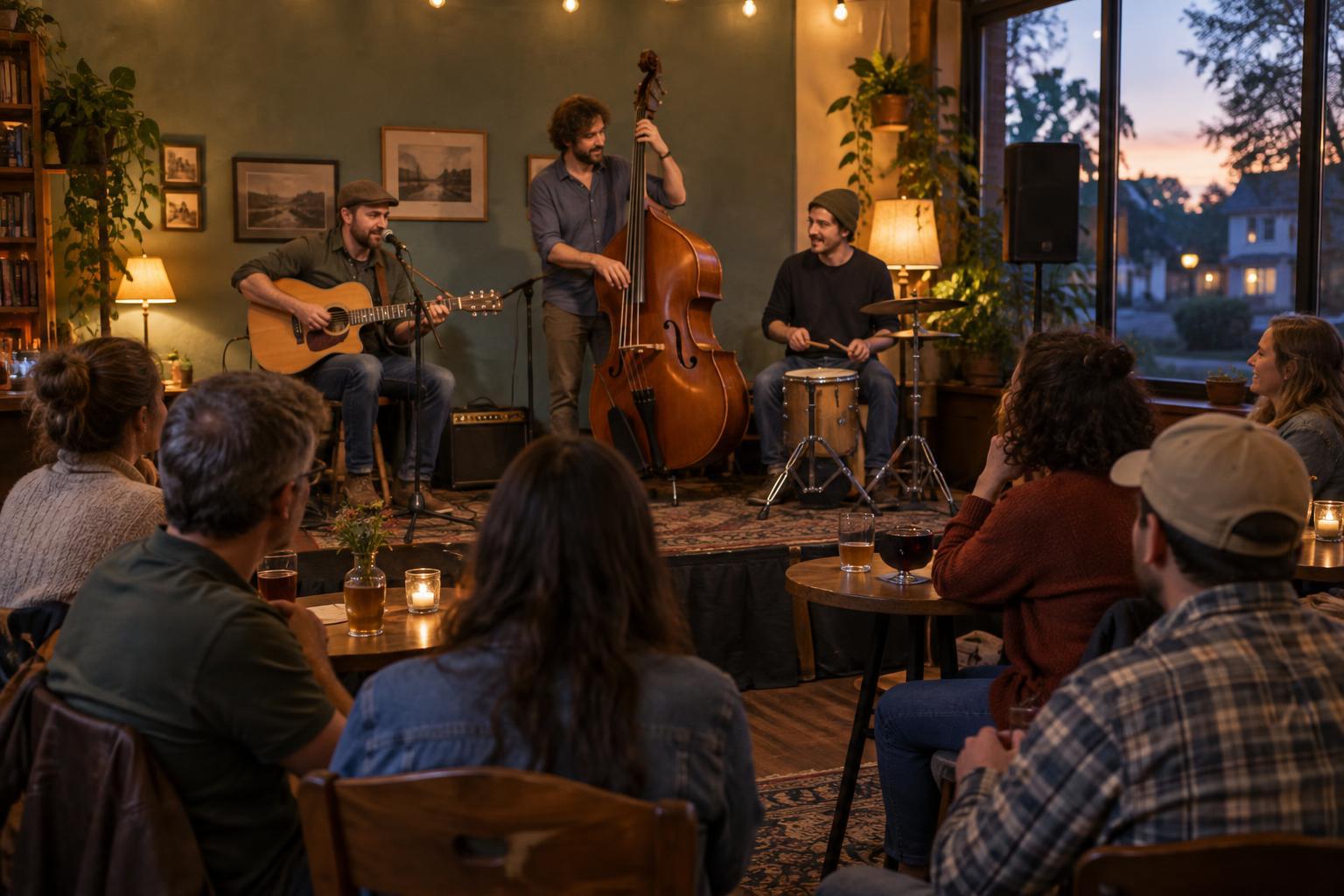
Before searching for a show, decide what would make the evening enjoyable. Do you want to sit and listen closely, talk with a friend between songs, or move around? A seated performance at a library or community space feels different from a standing show in a busy bar. Neither is better; the right choice depends on your energy, company and budget.
Pick a comfortable travel radius and a rough spending limit for the whole outing, not just admission. Then choose one or two possible evenings. These simple boundaries make event listings easier to sort through and help you avoid buying a cheap ticket to a show that becomes costly to reach.
Look beyond major concert listings
Local venues are a useful starting point. Check the calendars of cafés, small theaters, arts centers, bookstores and neighborhood bars that host music. Community organizations, parks departments, colleges and libraries may also list performances. Some events are free; others ask for a modest ticket price, a donation or a purchase. Check each listing rather than assuming any particular space is always inexpensive.
If you like a local performer, look at their own event listings too. You may find them playing several types of venue, giving you a choice of atmosphere and price. An open-mic night or a multi-artist showcase can be a low-commitment way to discover new music. To keep the search manageable, save two or three promising options, then compare their details instead of scrolling indefinitely.
Check the real cost and practical details
Read the event information closely before making plans. Look for the ticket price, booking fees, age restrictions, start time and whether doors open earlier than the music begins. For a bar or restaurant show, check whether there is a minimum purchase or an expectation to order. If a listing says “pay what you can,” decide what amount works for you rather than feeling pressured to improvise at the door.
Add travel, parking, food and drinks to your estimate. Eating beforehand or bringing a refillable water bottle, if the venue allows it, may help you stay within budget. Check the venue’s rules before packing anything. If seating, step-free access or a quieter spot matters to you, contact the venue when its listing does not answer your question. A quick check can prevent an uncomfortable surprise.
Make the outing easy on yourself
For a first visit, plan your route there and home, including what you will do if the show runs late. Arriving a little early gives you time to find the entrance, choose a place to stand or sit, and settle in before the room gets busy. If you are going with friends, agree on a meeting point and a spending range in advance; you can still enjoy the same performance without buying the same extras.
Going alone can be pleasant too. A live show gives you something to focus on without requiring conversation all evening. Bring what you need for comfort, such as a layer for the trip home or earplugs for a louder room. You can stay for the full set or leave after a while if that is what works for you.
Enjoy the music, not a perfect plan
Small shows often reward a little flexibility. The sound, crowd and schedule may differ from what you pictured, especially in a space you have never visited. Give yourself a few songs to settle in. Put your phone away for part of the set, notice which performers you enjoy, and follow the venue’s guidance on photos or recording.
Afterward, make a quick note of what made the night worthwhile: the room size, music style, travel time or company. That gives you a better starting point next time. An affordable live music habit does not require attending every weekend. Finding one welcoming place or performer you would happily see again is already a good result.