
How to Make Your Home Look Professionally Styled
Discover expert tips and endless inspiration to transform your living space into a professionally styled sanctuary. Learn the secrets to achieving a cohesive and stunning home decor aesthetic that reflects your unique personality.
Understanding the Fundamentals of Professional Home Decor
Achieving a professionally styled home isn’t about luck; it’s about understanding core design principles. Professional interior styling involves more than just placing furniture. It’s about creating a balanced, harmonious, and aesthetically pleasing environment that enhances functionality and reflects the homeowner’s personality. This involves careful consideration of color palettes, textures, lighting, and the flow of space. When you look at professionally designed interiors, you notice an intentionality behind every element, from the smallest decorative accent to the largest furniture piece.
The Importance of a Cohesive Color Palette
A unified color scheme is a cornerstone of professional interior styling. Before you even pick out a sofa, consider the emotions you want to evoke and the overall mood of the room. A well-chosen palette can make a space feel larger, more intimate, or more vibrant. Professionals often use a 60-30-10 rule: 60% of the room is dominated by a primary color, 30% by a secondary color, and 10% by an accent color. This creates visual interest without being overwhelming. Consider the psychological impact of colors: blues and greens can be calming, while reds and oranges can be energetic.
Layering Textures for Depth and Interest
Professional home decor thrives on the interplay of different textures. A room that is all smooth surfaces can feel sterile and uninviting. Introducing a variety of textures – such as soft throws, rough wood, smooth metal, plush rugs, and woven baskets – adds visual depth and tactile appeal. This layering makes a space feel more lived-in and luxurious. Think about how different materials feel to the touch and how they interact with light. For example, a velvet cushion on a linen sofa, paired with a chunky knit throw, creates an inviting and sophisticated combination.
Choosing the Right Materials and Finishes
The materials and finishes you select significantly impact the overall look and feel of your home. From the sheen of your paint to the grain of your wood furniture, each choice contributes to the final aesthetic. High-quality finishes, even in small doses, can elevate a space. Consider mixing finishes like matte, satin, and high-gloss to add subtle variations. For instance, matte black hardware can create a modern contrast with a glossy tile backsplash.
The Art of Furniture Arrangement and Scale
Proper furniture arrangement is crucial for both aesthetics and functionality. A professionally styled room considers traffic flow, conversation areas, and the focal point of the room. Furniture should be scaled appropriately for the size of the space. Oversized furniture can make a small room feel cramped, while undersized pieces can get lost in a large area. Aim to create balance; avoid placing all heavy furniture on one side of the room. Defining zones within larger rooms using rugs or furniture placement can also enhance the sense of order and purpose.
Creating Functional and Beautiful Conversation Areas
Professionals understand that a living room is often designed for conversation. Arranging seating to facilitate easy interaction is key. Sofas and chairs should be placed close enough to allow for comfortable dialogue without straining. A coffee table centrally located within this seating arrangement serves as a functional anchor. Consider the height of the coffee table relative to the sofa – it should be easily accessible for drinks or books.
Mastering Lighting: The Unsung Hero of Interior Design
Lighting is often overlooked, but it’s one of the most powerful tools in a designer’s arsenal. A professionally styled home utilizes multiple layers of light: ambient (general illumination), task (for specific activities like reading), and accent (to highlight artwork or architectural features). Dimmers are essential for controlling mood and adapting the lighting to different times of day or activities. Consider the color temperature of your bulbs – warmer tones (around 2700K) create a cozy atmosphere, while cooler tones (4000K+) can feel more modern and energizing.
Utilizing Natural Light to Your Advantage
Maximize natural light whenever possible. Keep window treatments simple and avoid heavy drapes that block sunlight. Mirrors strategically placed opposite windows can reflect light and make the room feel brighter and more spacious. Understanding the direction of sunlight throughout the day can also help in placing furniture and choosing colors that best complement the natural light.
Accessorizing with Intention: The Finishing Touches
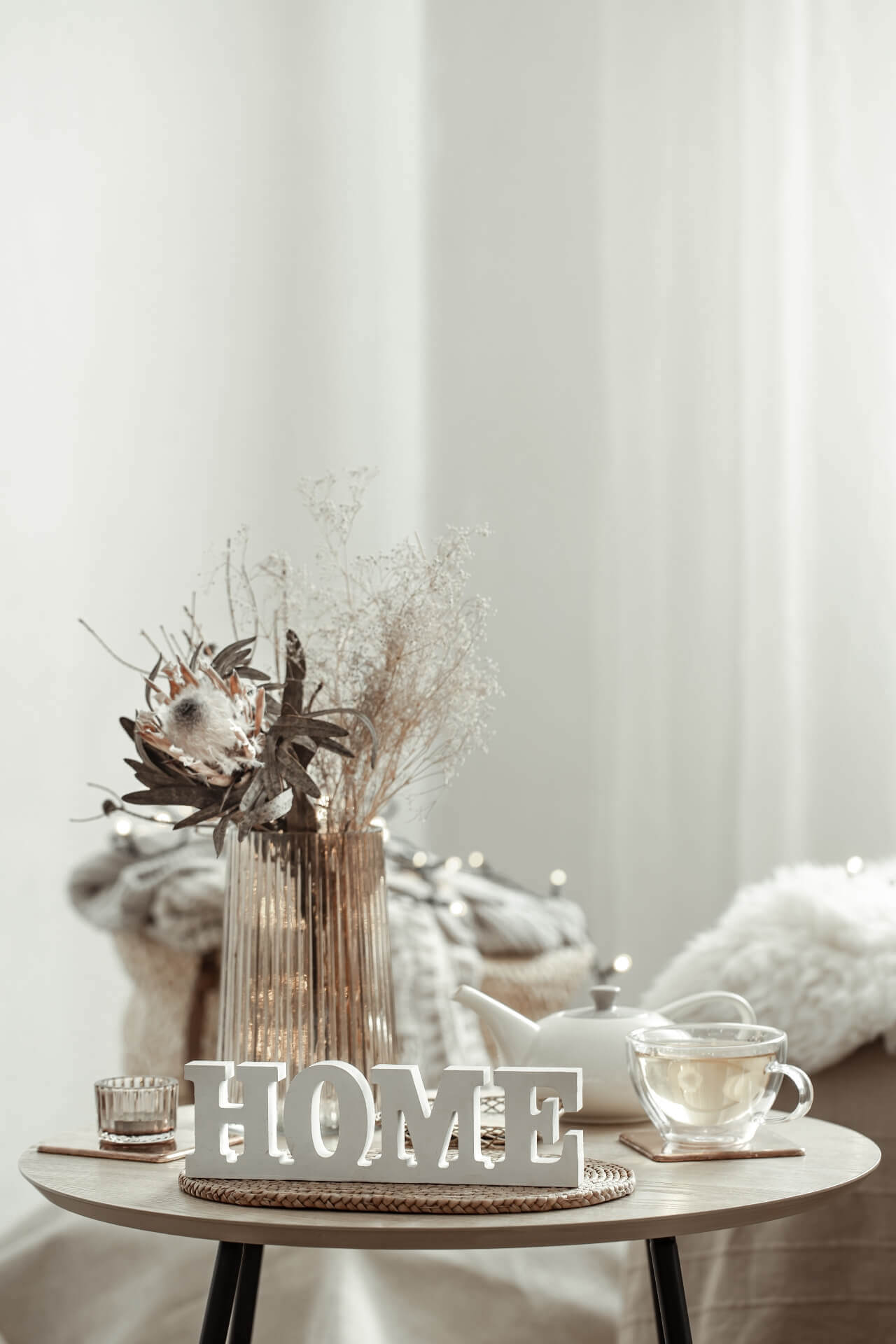
Accessories are the jewelry of your home. They add personality and polish. Professionals select accessories that complement the overall design, rather than cluttering the space. This involves thoughtful curation of items like artwork, decorative objects, pillows, and throws. Grouping items in odd numbers (e.g., three vases) often creates a more pleasing visual arrangement. Don’t be afraid to mix personal items with curated decorative pieces to create a unique and authentic feel.
The Power of Artwork and Decorative Objects
Artwork can set the tone for an entire room and provide a focal point. Choose pieces that resonate with you and complement your color scheme. When hanging art, consider the scale of the wall and the furniture below it. Groupings of smaller pieces can create a gallery wall effect. Decorative objects, like sculptures, vases, or candles, add layers of interest. Ensure these items are cohesive with the room’s style and color palette, and avoid overcrowding surfaces.
Bringing it all Together: Creating a Professional Ambiance
Ultimately, a professionally styled home feels intentional, comfortable, and uniquely yours. It’s a space that balances beauty with functionality, reflecting your personal taste while adhering to sound design principles. By focusing on a cohesive color palette, varied textures, smart furniture arrangement, effective lighting, and curated accessories, you can transform your home into a sanctuary that looks and feels professionally designed. Don’t be afraid to experiment and let your personality shine through. The best designs are those that tell a story and create a welcoming atmosphere for everyone.
Ready to elevate your home decor? Explore more interior styling tips and inspiration on 123b.rip to create the professionally styled sanctuary you’ve always dreamed of!