
How to Mix Modern and Classic Decor Styles Perfectly
Discover how to perfectly blend modern and classic decor styles to create a timeless and sophisticated interior. Get inspired and learn the secrets to a harmonious home.
Understanding the Core Elements of Modern and Classic Design
Before diving into the art of mixing styles, it’s crucial to understand the fundamental characteristics that define both modern and classic interior design. Modern decor often emphasizes clean lines, minimalist aesthetics, natural materials, and a neutral color palette. It prioritizes functionality and simplicity, with a focus on open spaces and uncluttered surfaces. Think sleek furniture, geometric patterns, and a general sense of airy spaciousness.
On the other hand, classic design evokes a sense of history, elegance, and tradition. It’s characterized by ornate details, rich textures, symmetry, and a more formal arrangement. Common elements include antique or reproduction furniture, elaborate moldings, luxurious fabrics like velvet and silk, and a preference for warmer, deeper color schemes. Classic interiors often feel grand, comfortable, and steeped in timeless appeal.
Key Strategies for Harmonious Blending
The magic of mixing modern and classic decor lies in finding a balance that allows each style to shine without overwhelming the other. It’s about creating a conversation between eras, not a clash. Here are some effective strategies to achieve this:
1. Embrace Neutrality as a Foundation
A neutral color palette is your best friend when mixing styles. Using soft grays, warm beiges, crisp whites, or subtle earth tones as your base color for walls and larger furniture pieces creates a versatile backdrop. This allows you to introduce elements from both modern and classic styles without them competing for attention. A modern gray sofa can look stunning paired with classic accent chairs, or a classic fireplace can be complemented by modern artwork.
2. Juxtapose Furniture Styles
This is where the real fun begins. Don’t be afraid to place a sleek, modern coffee table in front of a plush, classic sofa. Or, pair a minimalist modern side table with an antique armchair. The contrast in forms and materials creates visual interest and depth. The key is to ensure that the pieces, despite their stylistic differences, share a common thread – perhaps a similar finish, a complementary color, or a shared sense of proportion.
3. Integrate Textural Variety
Both modern and classic styles benefit from diverse textures. Modern design often incorporates smooth finishes, metal, and glass, while classic design leans towards rich fabrics like velvet, silk, linen, and wood. By combining these, you add a tactile dimension to your space. Imagine a modern, minimalist bedroom featuring a classic upholstered headboard or a living room with smooth, modern cabinetry contrasted with luxurious, classic drapery.
4. Curate Your Accents Thoughtfully
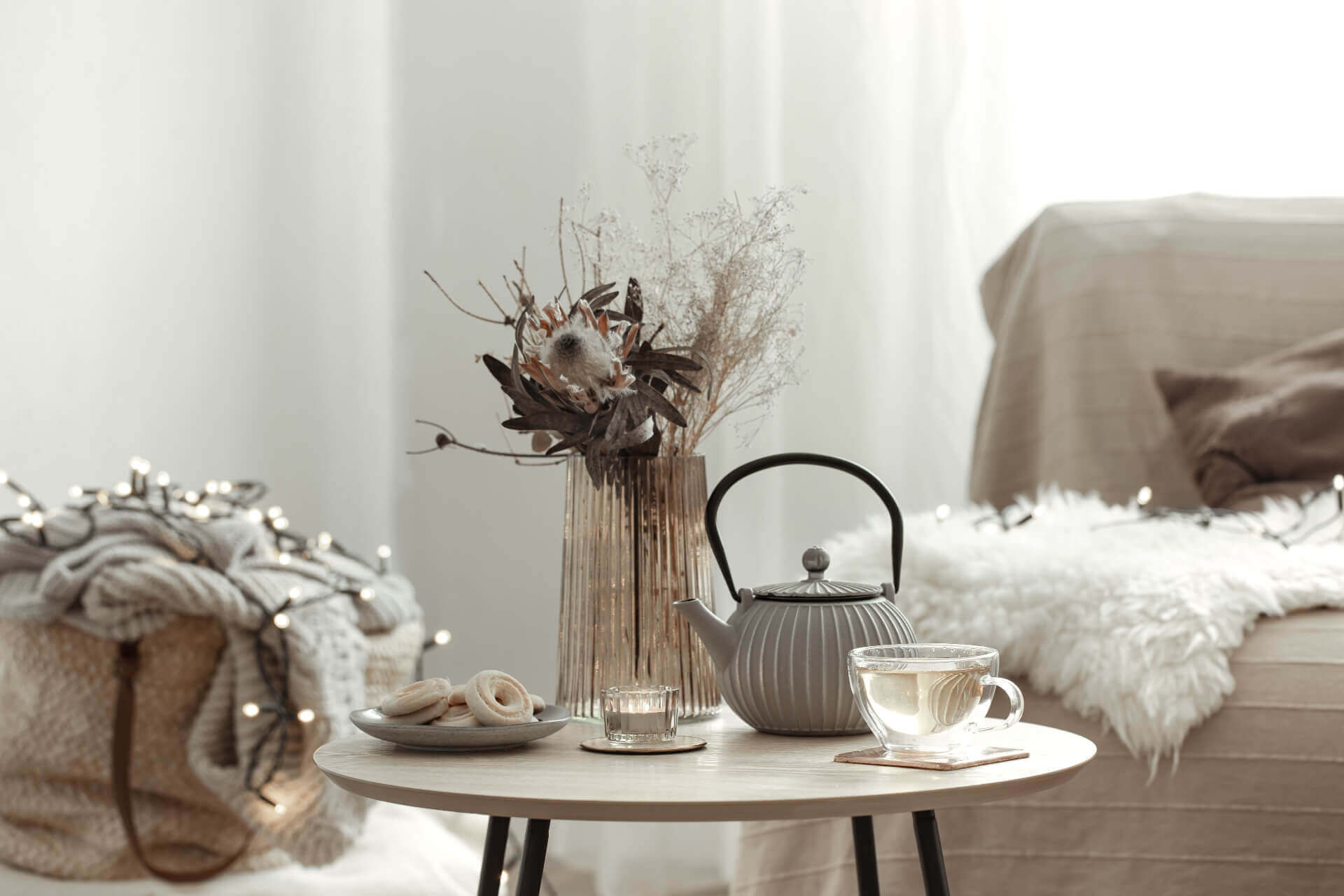
Accessories are crucial for tying different styles together. Use modern decorative objects, like geometric sculptures or minimalist vases, on a classic antique sideboard. Conversely, place traditional elements, such as ornate picture frames or classic candlesticks, on a modern console table. The goal is to sprinkle elements from each style throughout the room, ensuring a cohesive flow.
5. Consider Architectural Elements
If your home has existing architectural features, like crown molding or original fireplaces, lean into them and pair them with modern furnishings. If your home is more modern, consider adding classic touches like a statement chandelier or a well-placed antique rug to introduce warmth and character. The interplay between architectural style and decor choices can significantly enhance the blended aesthetic.
Avoiding Common Pitfalls
While mixing styles is rewarding, there are a few common mistakes to avoid:
- Overdoing it: Don’t cram too many contrasting pieces into one space. Aim for a balanced representation of both styles.
- Ignoring Scale: Ensure that your modern and classic pieces are appropriately scaled for the room and for each other.
- Lack of Cohesion: Without a unifying element, the mix can feel chaotic. Use color, texture, or material to create a sense of harmony.
- Sticking to Extremes: Often, the most successful blends are achieved by incorporating subtle nods to the other style, rather than stark contrasts.
Conclusion: Creating Your Timeless Sanctuary
Mixing modern and classic decor styles is an art form that allows you to create a unique space that is both sophisticated and personal. By understanding the core principles of each style, strategically blending furniture and textures, and curating your accents with care, you can achieve a timeless interior that reflects your taste and provides enduring comfort. Embrace the journey of creating a home that bridges eras, offering the best of both worlds.
What are your favorite ways to mix modern and classic elements in your home? Share your tips and inspiration in the comments below!