
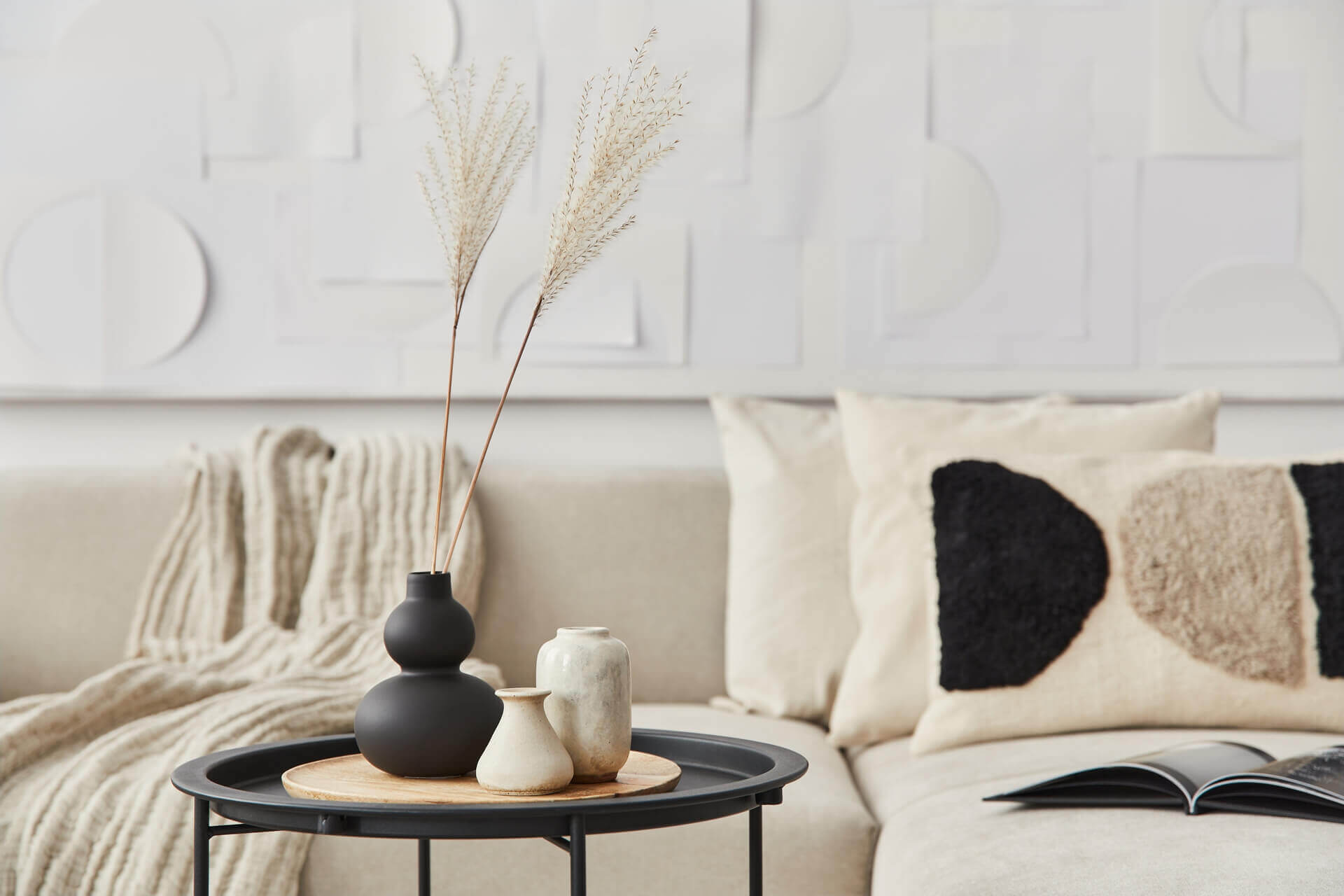
How to Style Your Home Like a Professional Interior Designer
Dreaming of a home that reflects your personal style? This guide will unlock the secrets to achieving a professionally styled living space. Discover expert tips and inspiration on home decor and interior design, and learn how to transform your house into a beautifully inspired haven.
Understanding the Fundamentals of Interior Design
Professional interior designers don’t just have an eye for aesthetics; they understand the principles that make a space both beautiful and functional. Before diving into specific styling choices, it’s crucial to grasp these core concepts. This involves understanding scale and proportion, color theory, lighting techniques, and the importance of creating a focal point in each room. Mastering these basics will provide a solid foundation for all your styling endeavors.
Scale and Proportion: The Silent Architects of a Room
Scale refers to the size of an object in relation to other objects, while proportion deals with the relationship between different parts of a whole. A common mistake for amateur decorators is choosing furniture that is either too large or too small for the room. A towering sofa in a petite living room can make the space feel cramped, while a miniature armchair can get lost in a grand hall. Always measure your space and consider the visual weight of each piece before bringing it into your home.
The Power of a Color Palette
Color is one of the most potent tools in an interior designer’s arsenal. It can evoke emotions, set a mood, and influence the perception of space. Professionals often start by developing a cohesive color palette for the entire home or for individual rooms. This involves selecting a primary color, a secondary color, and accent colors that work harmoniously together. Consider the psychological effects of colors: blues and greens can be calming, while reds and oranges can be energizing.
Creating Harmony with Color Schemes
There are several established color schemes that designers frequently employ, such as monochromatic (variations of a single color), analogous (colors next to each other on the color wheel), or complementary (colors opposite each other on the color wheel). Understanding how to use these schemes can help create visual interest without overwhelming the senses. Don’t underestimate the impact of neutrals; they provide a calming backdrop and allow bolder accent colors to shine.
Mastering Lighting Design
Good lighting is essential for both ambiance and functionality. Professional designers utilize a layered lighting approach, incorporating ambient, task, and accent lighting. Ambient lighting provides general illumination for the room, task lighting is focused on specific activities like reading or cooking, and accent lighting highlights architectural features or decorative objects. The type of light fixture, the bulb’s color temperature, and dimmable options all play a significant role in shaping the atmosphere.
The Role of Natural Light
Maximizing natural light is a key strategy. Large windows, sheer curtains, and strategically placed mirrors can help bounce sunlight around the room, making it feel brighter and more spacious. During the evening, carefully selected artificial lighting can mimic the warmth and glow of natural light, creating a cozy and inviting environment.
Furniture Arrangement: Functionality Meets Aesthetics
The way furniture is arranged can dramatically impact how a room feels and functions. Designers consider traffic flow, conversation areas, and the room’s primary purpose. Avoid pushing all furniture against the walls; floating pieces can create more intimate seating arrangements and a sense of depth. Ensure that there is enough space to move comfortably between pieces.
- Define conversation areas with rugs and furniture placement.
- Ensure pathways are clear and unobstructed.
- Consider the view from different seating positions.
- Balance the visual weight of furniture on opposing sides of the room.
The Art of Accessorizing and Styling
Accessories are the finishing touches that bring personality and character to a space. This includes everything from throw pillows and blankets to artwork, plants, and decorative objects. Designers often use a “rule of three” for grouping decorative items, creating a visually pleasing arrangement. Layering textures and incorporating elements of surprise can add depth and interest.
Curating Your Decor
Think about the story you want your home to tell. Select items that have meaning to you, whether they are heirlooms, travel souvenirs, or pieces of art. Mixing high and low elements, as well as different textures (e.g., soft fabrics, metallic finishes, natural wood), adds sophistication. Don’t over-clutter; curated pieces are far more impactful than a mass of items.
Embracing Professional Interior Design Inspiration
To truly style your home like a professional, seek inspiration from various sources. Browse interior design magazines, follow designers on social media, and explore online platforms like Pinterest and Houzz. Pay attention to the details that appeal to you and analyze why they work. This continuous learning process will hone your own design eye and help you develop a unique style.
Creating a Cohesive Home
While each room can have its own personality, a sense of cohesion throughout the home is important. This can be achieved through a consistent color palette, recurring design elements, or a unified style. The goal is to create a space that feels harmonious and welcoming, a true reflection of your personal taste and lifestyle.
In conclusion, styling your home like a professional interior designer involves understanding foundational principles, thoughtfully selecting colors and lighting, arranging furniture for optimal function and flow, and curating accessories that tell your story. By applying these expert tips and embracing continuous inspiration, you can transform your living space into a beautifully designed and uniquely inspired haven.
What are your favorite home decor styling tips? Share your thoughts in the comments below!