
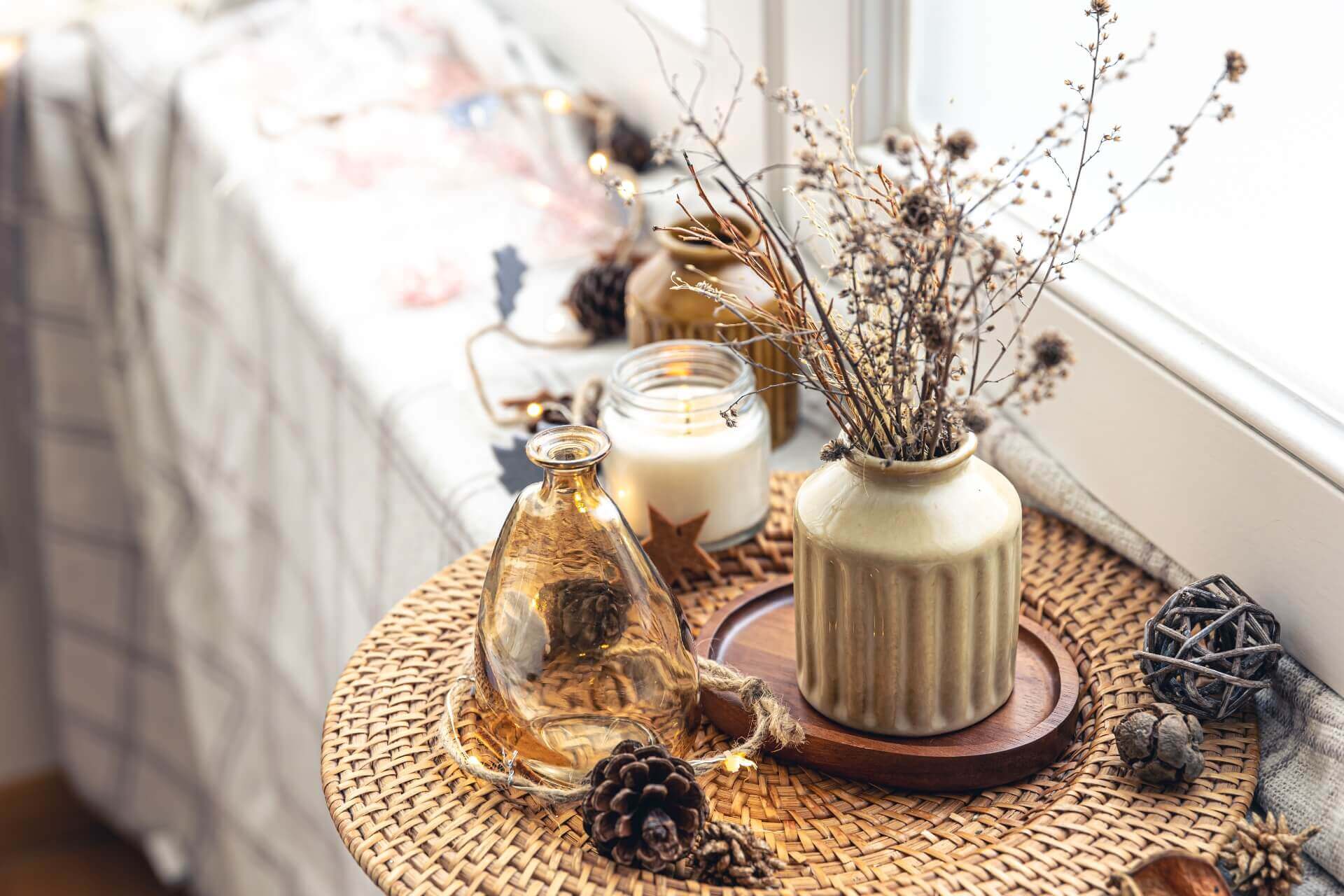
Why Texture Is the Secret to Beautiful Interior Design
Discover the transformative power of texture in interior design. Explore how embracing diverse materials can elevate your home decor from ordinary to stunning, inspiring your next design project. Texture is often an overlooked element, yet it plays a crucial role in creating depth, warmth, and visual interest in any space.
Understanding Texture in Interior Design
Texture refers to the surface quality of an object or material – how it feels to the touch and how it appears visually. In interior design, texture is not just about the tactile sensation; it’s about how different materials interact to create a cohesive and engaging environment. From rough, natural elements to smooth, refined surfaces, each texture adds a unique dimension to a room.
The Visual Impact of Texture
Visually, texture can influence how we perceive space and light. A highly textured surface can absorb light, creating a sense of intimacy and coziness, while a smooth, glossy surface can reflect light, making a space feel larger and more airy. Understanding this interplay is key to mastering texture in your home decor.
How Texture Enhances Home Decor
Incorporating various textures is fundamental to creating a balanced and inviting interior. It moves a room beyond mere aesthetics, engaging more of our senses and adding layers of complexity. Without textural variety, a space can feel flat, sterile, or incomplete. Texture adds depth, warmth, and character, making a house feel like a home.
Creating Depth and Dimension
Different textures have varying levels of visual weight. For instance, a chunky knit throw pillow has a more substantial visual presence than a silk cushion. By layering these elements, designers can create visual depth, drawing the eye around the room and preventing monotony. This is particularly important in smaller spaces where adding dimension can make the area feel more expansive.
Adding Warmth and Coziness
Materials like wood, wool, and linen naturally evoke a sense of warmth and comfort. Their inherent textures create a welcoming atmosphere, making spaces feel more inviting and comfortable. Think of a rough-hewn wooden coffee table paired with a plush velvet sofa – the contrast in textures creates a rich and cozy sensory experience.
Introducing Visual Interest
Even in a monochromatic scheme, texture can be the key to preventing boredom. A room filled with different textures – perhaps a matte plaster wall, a high-gloss lacquer cabinet, and a woven rug – will remain visually engaging and dynamic. This is where material choice becomes critical in achieving a sophisticated design.
Exploring Different Types of Textures
The world of textures is vast, offering endless possibilities for design inspiration. Consider the following categories:
- Natural Textures: Wood, stone, rattan, bamboo, cork, wool, cotton, linen. These often bring an organic and grounding feel to a space.
- Smooth & Glossy Textures: Polished metal, glass, lacquered surfaces, smooth leather, marble. These can add a touch of modern elegance and reflect light.
- Rough & Matte Textures: Concrete, unpolished stone, raw wood, burlap, heavy knits, rough plaster. These add character and a sense of raw beauty.
- Soft & Plush Textures: Velvet, faux fur, thick carpets, down-filled cushions. These are essential for creating comfort and a sense of luxury.
- Patterned Textures: Embossed wallpapers, intricately woven fabrics, carved wood. These combine visual patterns with tactile qualities.
Practical Tips for Incorporating Texture
Integrating texture into your home decor doesn’t have to be complicated. Start by assessing your current space and identifying areas where texture could be enhanced. Often, small additions can make a big difference.
Start with Soft Furnishings
Throws, cushions, rugs, and curtains are excellent starting points. Introduce a faux fur throw on a leather sofa, or a jute rug under a sleek dining table. These items are relatively easy to change and can dramatically alter the feel of a room.
Consider Wall Treatments
Beyond paint, consider textured wallpapers, wood paneling, or even exposed brick for a significant textural statement. These elements form the backdrop of your room and can set a strong design tone.
Layer Materials in Furniture
When selecting furniture, think about the mix of materials. A reclaimed wood side table paired with a metal-framed chair, or a velvet armchair next to a smooth wooden desk, creates an interesting juxtaposition of textures.
Don’t Forget Accessories
Decorative objects, such as ceramic vases, woven baskets, and metallic sculptures, also contribute to the overall textural landscape of a room. Grouping items with different textures can create compelling vignettes.
Material Choice: The Foundation of Texture
The success of texture in interior design hinges on thoughtful material choice. Each material brings its own inherent qualities, influencing not only the tactile and visual experience but also the overall mood and functionality of a space. Selecting materials that complement each other, while offering a pleasing contrast, is an art form.
Balancing Different Textures
The key is balance. Too much of one texture can overwhelm a space. Aim for a harmonious blend that stimulates the senses without creating visual clutter. For example, pairing a highly textured rug with smooth, minimalist furniture can create a sophisticated and balanced look.
Conclusion: Elevate Your Space with Texture
Texture is an indispensable element in achieving sophisticated and inviting interior design. By consciously incorporating a variety of materials and surface qualities, you can transform a standard room into a space that is rich in depth, warmth, and visual interest. Embrace the power of texture, experiment with different materials, and unlock the full potential of your home decor. It’s the secret ingredient that truly makes a house feel like a home, offering a tactile and visual experience that delights at every turn.
What are your favorite ways to incorporate texture into your home? Share your design inspiration in the comments below!