Start with the outing, not a checklist
Accessibility is not a single feature a venue either has or lacks. A place might have a step-free entrance but no accessible toilet, or offer comfortable seating while making it difficult to hear a guide. Before booking a game night, workshop, meal or local outing, sketch out what the group will actually do. Note the arrival point, the route inside, the activity space, any breaks and the trip home. That gives you a practical way to decide what to ask.
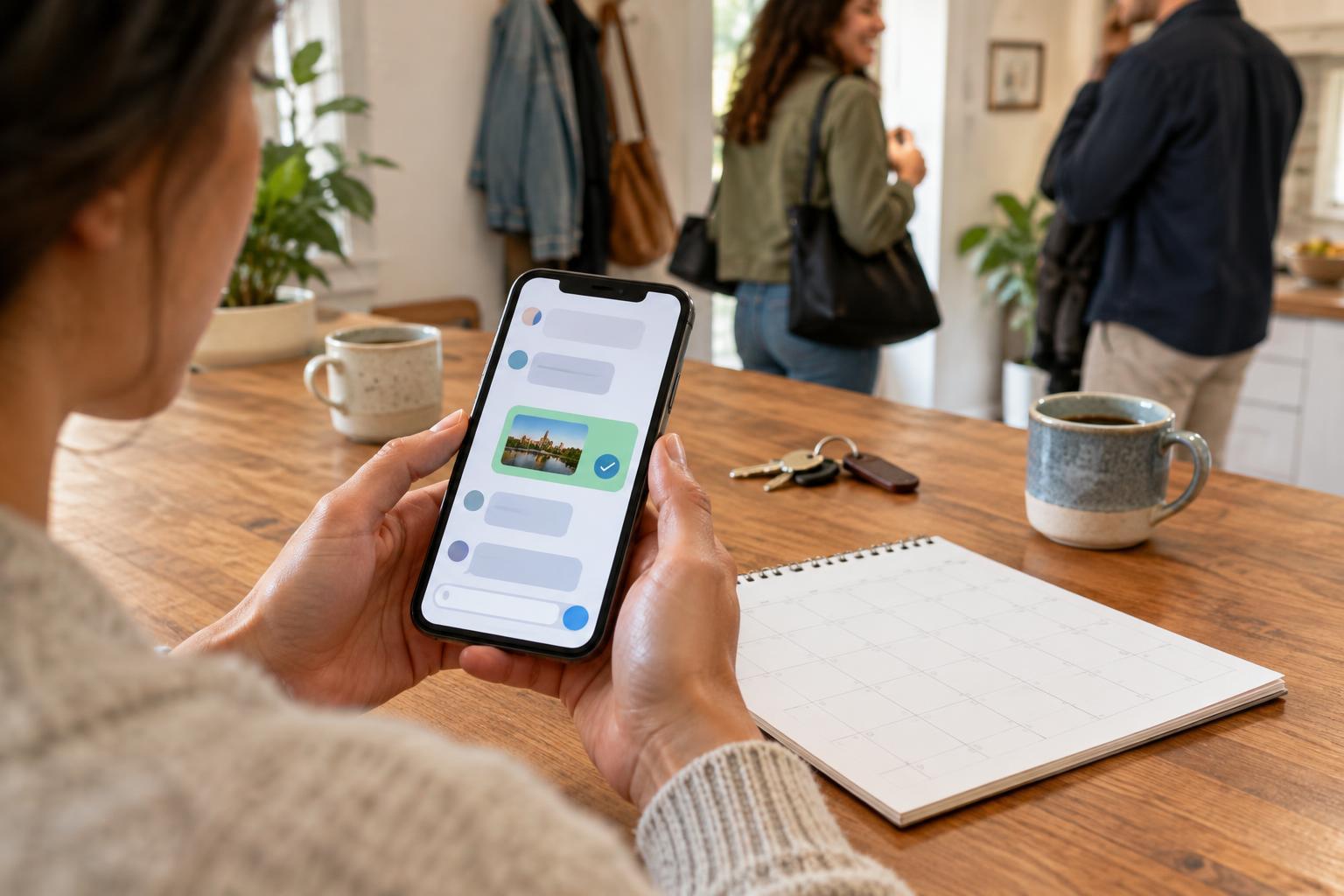
Invite people to share preferences without putting anyone on the spot. A message such as “I’m checking the route, seating and facilities before we book; is there anything else you’d like me to ask about?” leaves room for private replies. People should not have to explain a diagnosis to take part. If someone does share a specific requirement, ask which details they are comfortable having passed to the venue.
Verify the route from arrival to activity
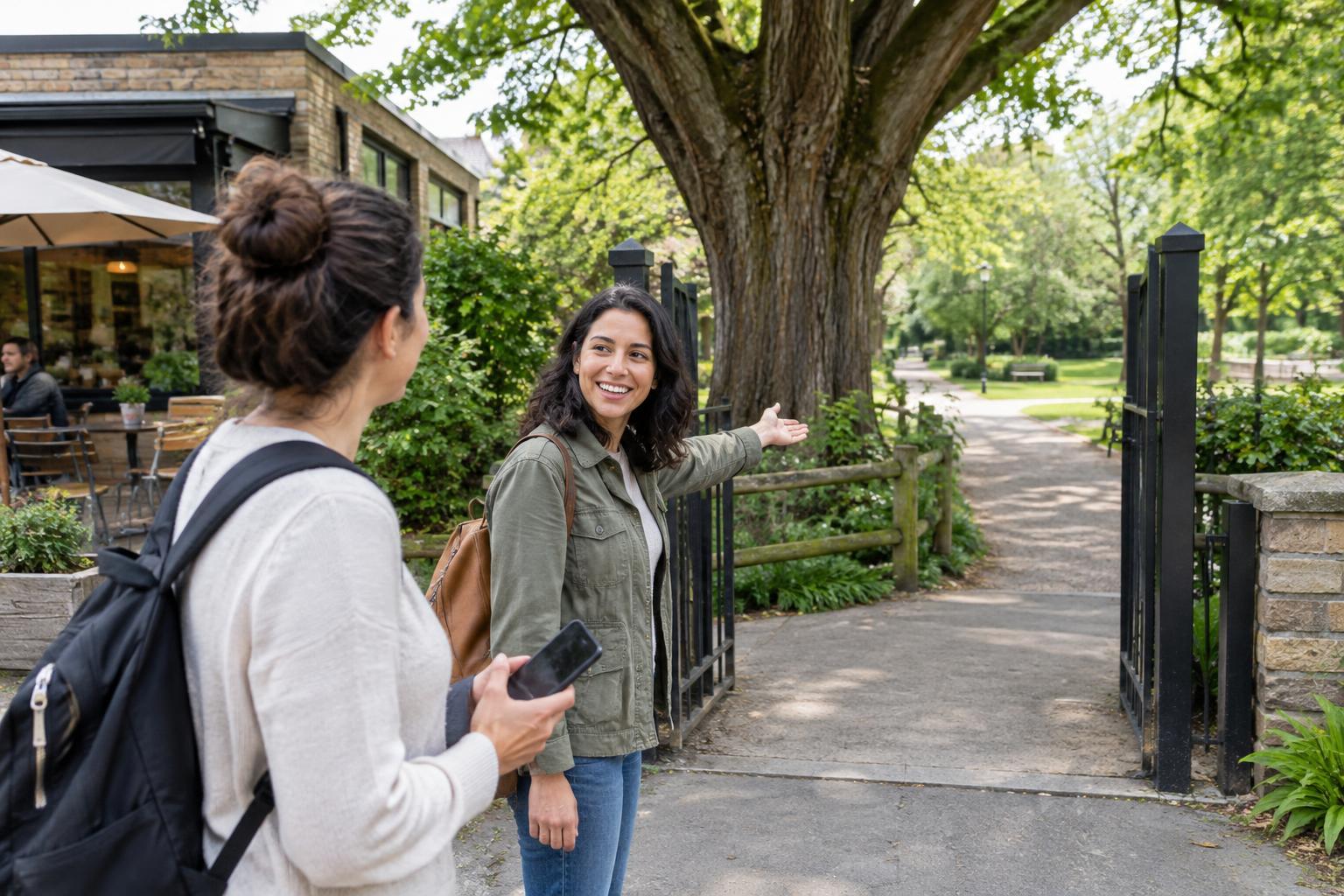
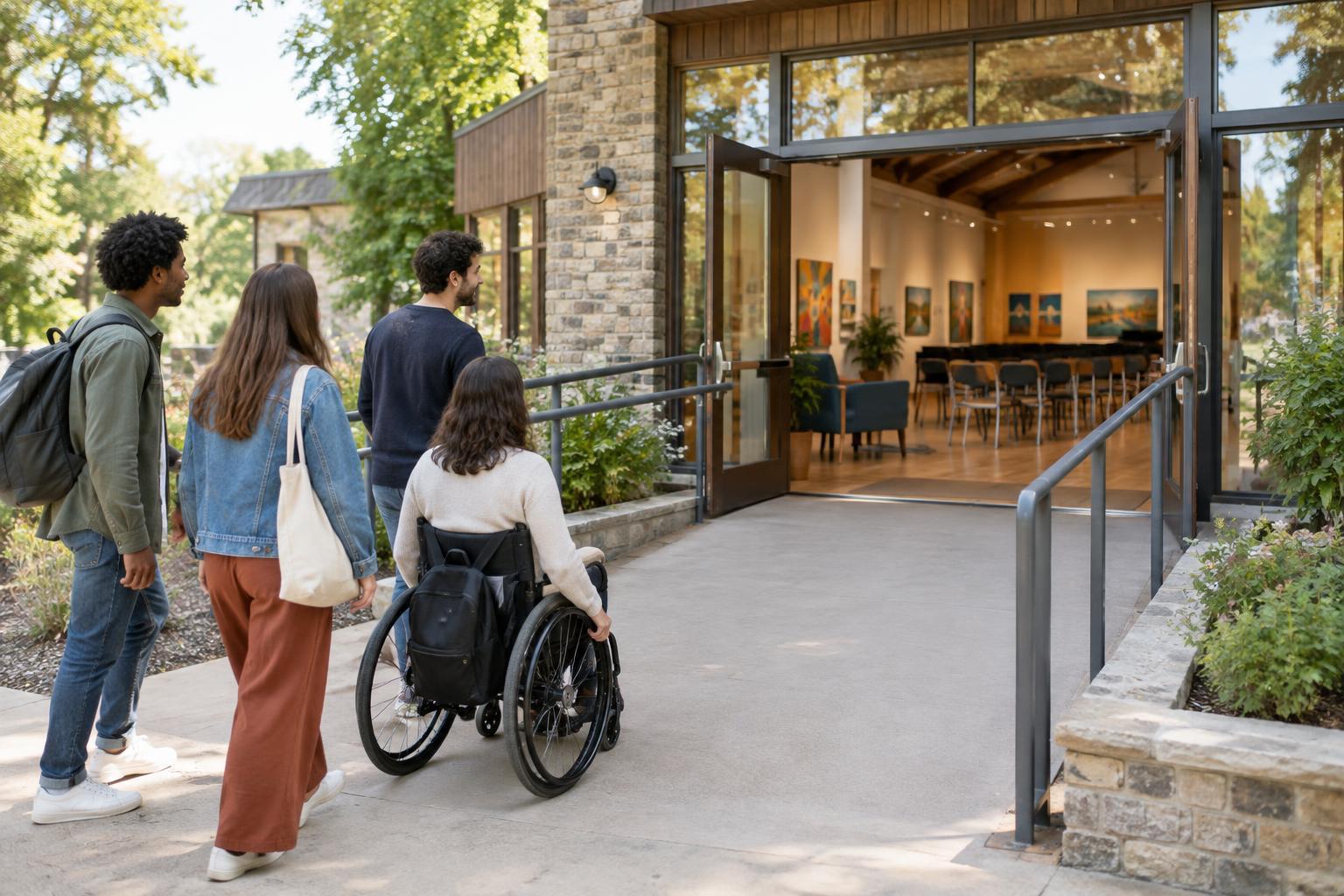
A venue’s website or booking page is a useful starting point, but broad labels such as “accessible” may not answer your group’s questions. Check how people reach the entrance from a drop-off point, parking area or nearby transport stop. Ask whether the usable entrance is the main entrance or somewhere else, whether doors are heavy or automatic, and whether there are steps, steep slopes or uneven surfaces along the way. For a large site, ask how far the activity space is from the entrance.
Then follow the route indoors. Find out whether the activity is on one level, whether a lift is needed and whether that lift is expected to be available during your visit. If the group will move between rooms, ask about each part of the route rather than only the first room. A photo, floor plan or short description from staff may be more informative than a general assurance.
Arrival conditions matter too. If there is a queue, ask whether people can sit while waiting or arrange an alternative check-in. For an outdoor venue, consider the surface and how it may change in wet weather. These questions help everyone judge whether the outing will be comfortable, not just whether entry is technically possible.
Check the facilities people will use
Look beyond the doorway to the activity itself. For a class or game session, ask about table height, space between seats and whether seating can be moved. At a performance or talk, ask about sightlines, reserved seating and any available hearing support or captioning. If the plan involves standing for a while, find out whether chairs are available and whether participants can take breaks without losing their place.
Ask where the toilets are, whether there is a step-free route to them and whether an accessible toilet is available during the hours you plan to visit. If food is involved, check how orders are placed and whether menus are available in a usable format for the group. A quieter corner, a place to step outside or permission to come and go can also make a busy activity easier to enjoy.
For activities involving supplies or equipment, check what guests must handle and whether staff can offer another way to participate. A creative workshop, for example, may be easier to adapt if you ask before materials and tables are set up. Aim to learn what options exist rather than assuming one arrangement will suit everyone.
Ask specific questions and share clear answers
When details are missing, contact the venue with a short description of your plan: the activity, approximate group size and likely time of visit. Ask specific questions that staff can answer or investigate. “Is there a step-free route from the entrance to our room and the toilet?” is more useful than “Is the venue accessible?” If an answer is uncertain, ask who can confirm it. Keep a note of important arrangements and who to contact on the day.
Share what you learn with the group before anyone commits money or travel time. Include the entrance to use, the route to the activity, seating and toilet details, likely noise or lighting conditions, and anything you could not confirm. Distinguish between “the venue confirmed this” and “we still need to check.” This lets people make their own decisions without making one person the spokesperson for everyone’s needs.
Build in a workable backup
Even a carefully checked plan can change: a room may be reassigned, a lift may be unavailable or the space may be busier than expected. Before the visit, identify a person the group can contact at the venue and decide what you will do if an important feature is unavailable. That might mean moving the activity to a different room, choosing another nearby place or rescheduling. Check any booking or cancellation terms before paying.
On the day, allow enough time to find the right entrance and settle in without rushing. Afterward, ask the group what worked and what would improve the next outing, without pressing anyone for personal details. The goal is not to promise a perfect venue. It is to replace guesswork with useful information, flexible plans and a genuine choice about joining in.