Decide what makes the trip worthwhile
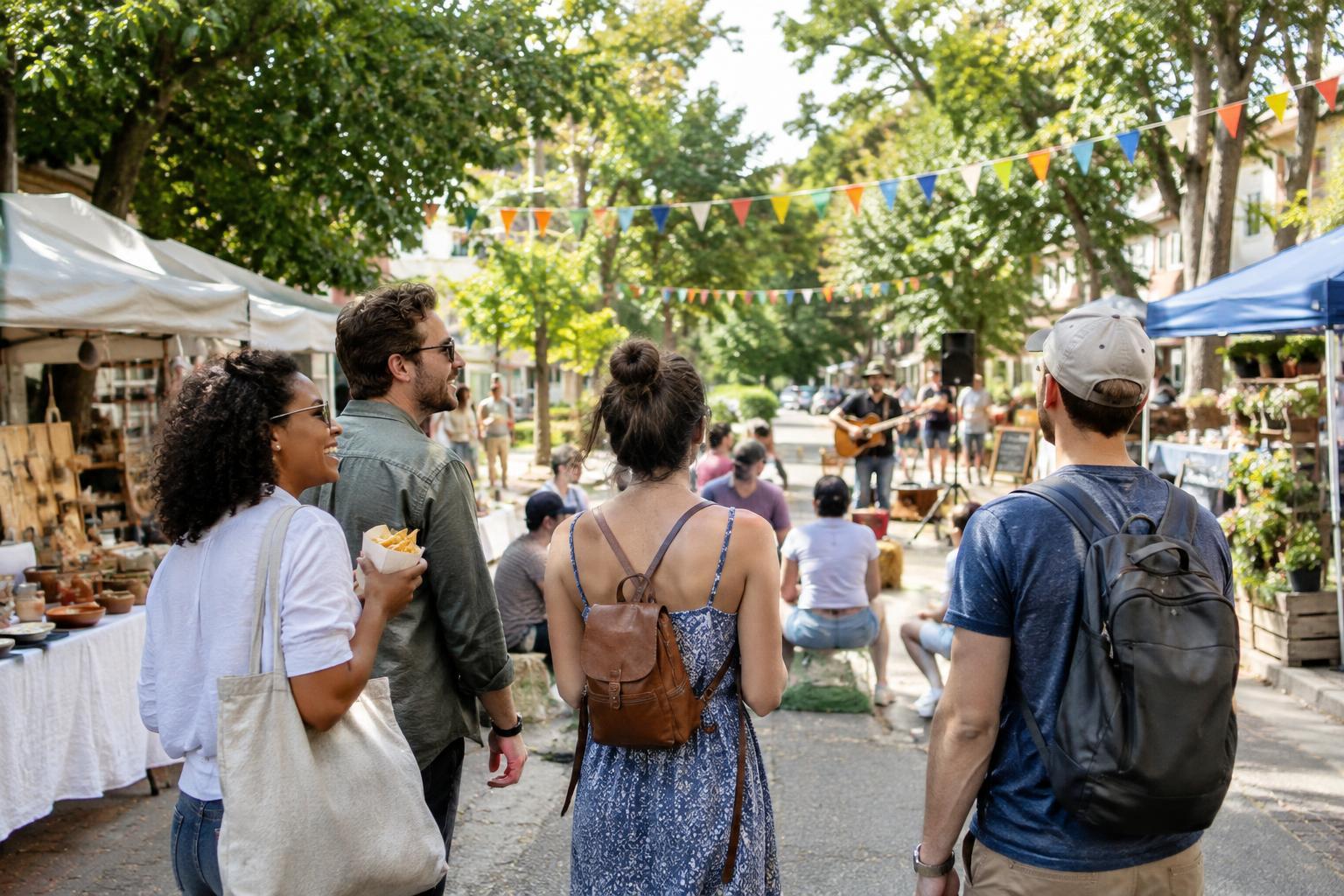
Before you go, think about what you most want from the festival. You might be excited to hear local music, browse handmade goods, try a particular food, or simply spend an afternoon with friends. Pick one or two priorities rather than treating every stall and activity as a must-do. That gives you a way to decide where your money will add the most enjoyment.
Set a total you would feel comfortable spending, including transportation and any entry fee. If the festival has a program or map available beforehand, use it to spot free performances and activities. You do not need a detailed schedule, but knowing your priorities can help you avoid making every decision in the moment.
Make a flexible spending plan
Split your budget into a few loose categories: getting there, food and drink, activities, and purchases. Consider keeping a small amount unassigned for something that catches your eye. A flexible plan is easier to enjoy than one that makes an unexpected snack or game feel like a mistake.
Choose your limit before you arrive, then use whatever method helps you track it. You could keep a note on your phone, check your balance after each purchase, or bring a set amount for discretionary spending. If you are going with other people, mention your plan casually: “I’m keeping this outing low-cost, so I’m mostly here for the music and a snack.” It sets expectations without asking anyone else to follow your budget.
Spend thoughtfully on food and stalls
Festival food can be part of the experience, but you do not have to arrive hungry and buy a full meal by default. Eating beforehand may leave room in your budget for the one treat you are genuinely curious about. Check whether you are allowed to bring a water bottle, and take one if you can. If you want to sample several foods with a friend, agree on what to share and what to spend before ordering.
Give yourself time to browse before buying from a vendor. A quick first look lets you compare options and decide whether an item is something you will use or enjoy after the festival. You can appreciate someone’s work, ask a polite question, and move on without purchasing. When you do find something you love within your budget, the purchase may feel more satisfying because you chose it deliberately.
Look for the parts that cost little or nothing
The atmosphere is often a big part of a neighborhood festival. Walk through the whole event, listen to public performances, watch demonstrations, or take a break in a pleasant spot. If there are free activities, choose the ones that appeal to you rather than trying to fit in everything. A slower visit gives you time to notice details you might miss while moving from one purchase to the next.
You can also make the outing social without making it expensive. Invite a friend to explore the stalls, compare favorite performances, or take a walk around nearby streets afterward. If your group has different spending plans, agree on a meeting place and time so everyone can browse at their own pace. Being together need not mean buying the same things.
Leave on a good note
Decide in advance what will signal that you are ready to head home. It might be the end of a performance, a set time, or the point when you have spent your planned amount. Leaving before you are tired and tempted to buy something just to keep the outing going can make the day feel complete rather than cut short.
Afterward, think about what you enjoyed most. Perhaps the food was worth making room for, or perhaps the best part was wandering with a friend. That small reflection will help you plan your next festival outing around what matters to you. The goal is not to spend as little as possible; it is to come home glad you went and comfortable with what you spent.