Start with the outing, not a universal checklist
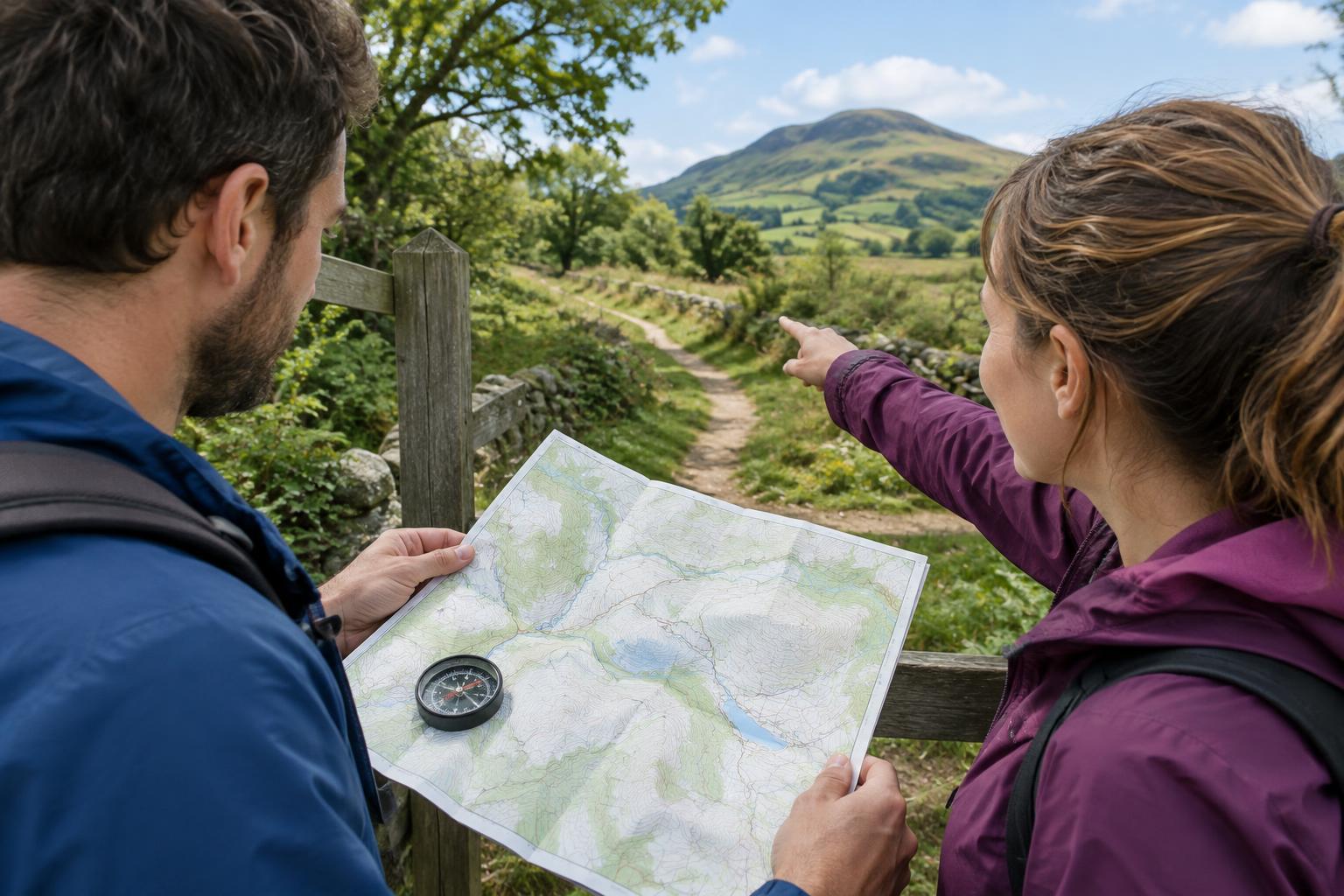
A good day bag holds what you are likely to use and leaves out what you can comfortably do without. Before packing, picture the trip from door to door. Are you walking around a neighborhood, spending an afternoon in a park, or visiting a place with limited space for bags? Think about how long you will be out, whether you can refill water, and how you will get home. Those answers matter more than any one-size-fits-all packing list.
Choose a bag that is comfortable to carry for the whole outing. A small backpack spreads the weight across both shoulders, while a crossbody bag can make frequently used items easier to reach. Check that closures work and that your belongings will fit without being crammed in. If you expect to visit a venue, look up its bag rules before you leave rather than assuming every size or item is allowed.
Pack the essentials you would miss first
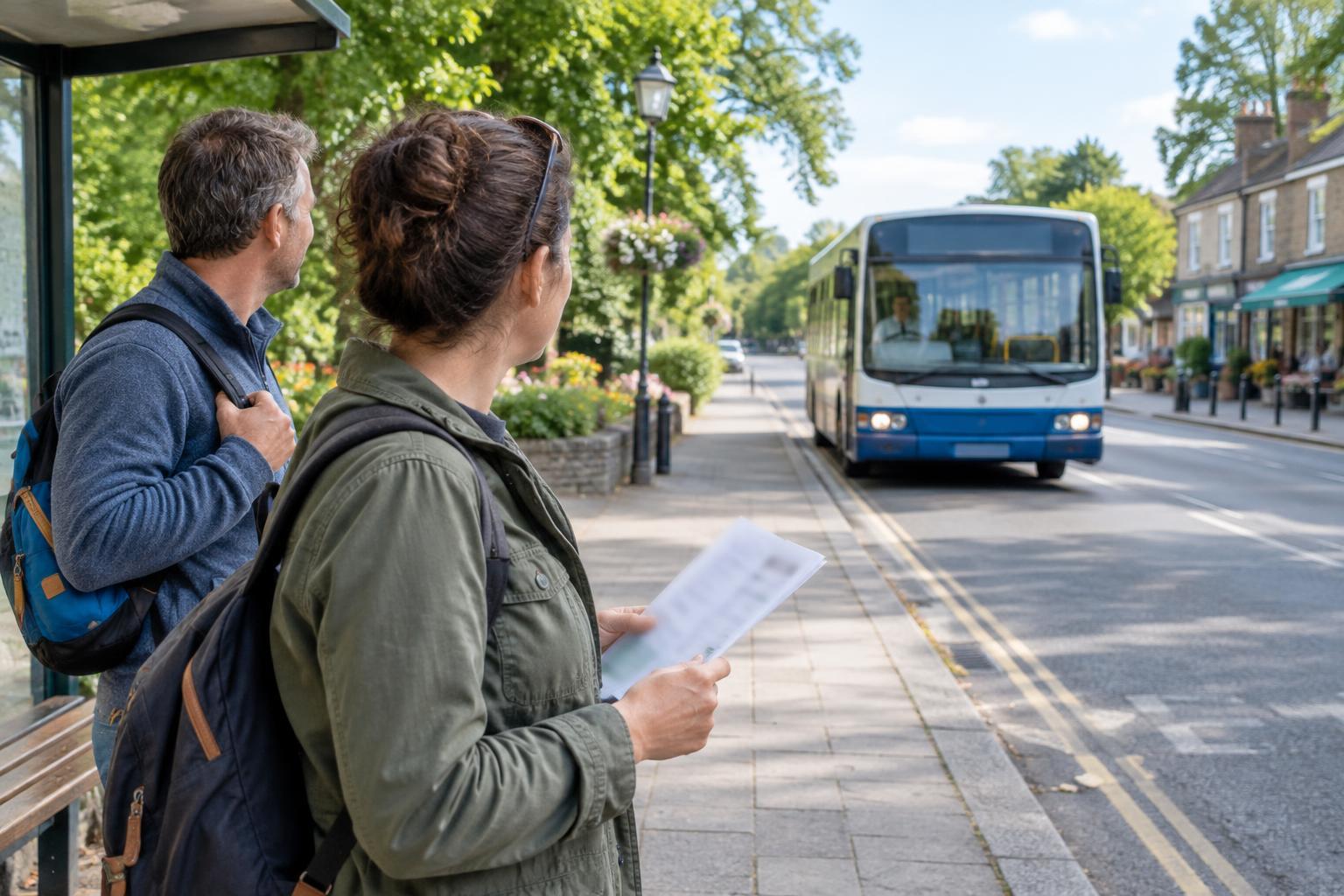
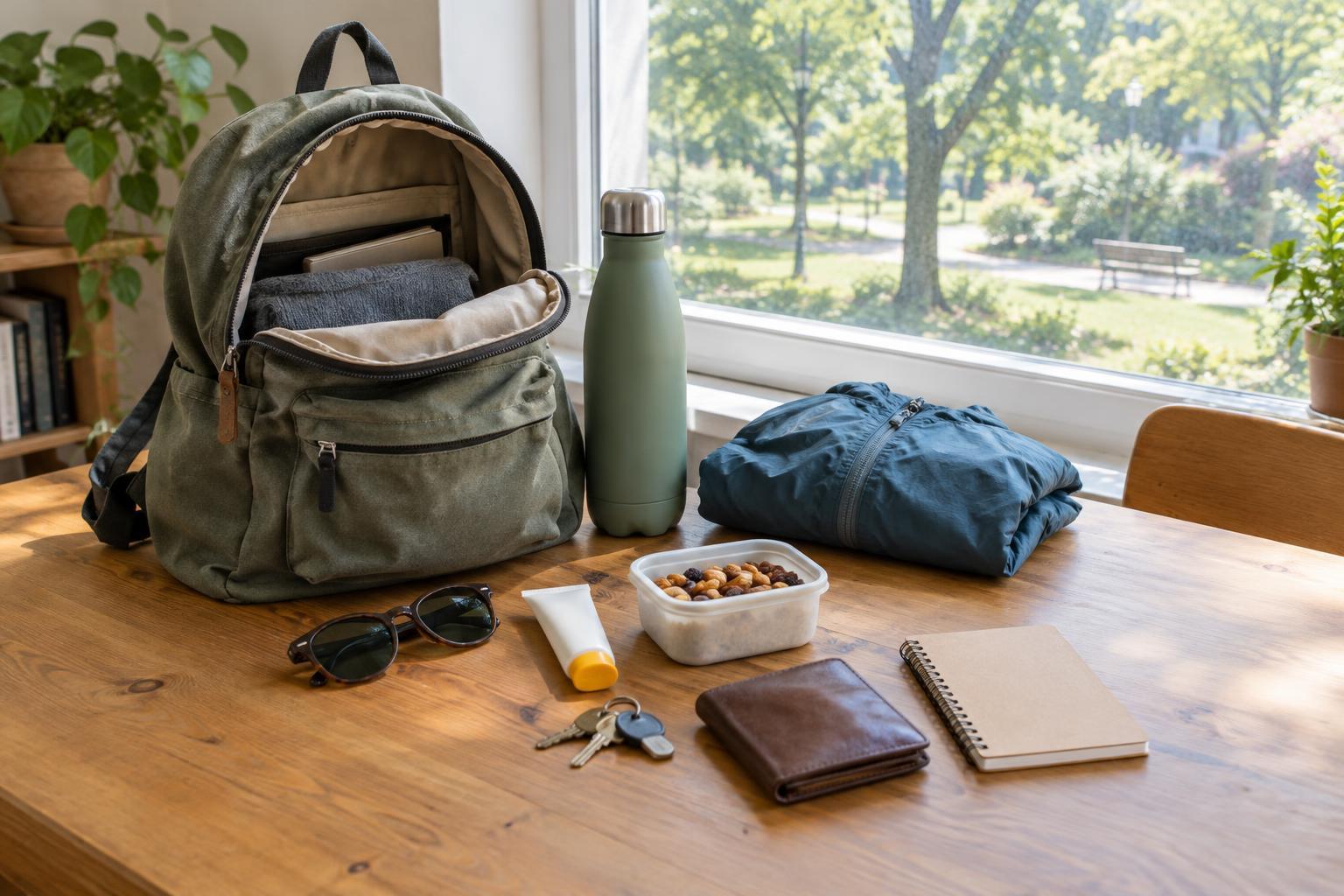
Put your keys, phone, payment method and any tickets or booking details in reliable places. If your plans involve public transport, make sure you have the fare or pass you need for the return journey, too. A small pouch or dedicated pocket keeps these essentials from disappearing beneath a jacket or snack container.
Carry water in a bottle you can close securely. If you will be out around a mealtime, add a snack that travels well, such as fruit, crackers or a sandwich packed to suit the conditions. Food is especially useful when an outing runs longer than expected, but it need not become a full picnic. Pack any personal items you regularly need while away from home, such as glasses or prescribed medication, according to your own routine.
Make room for weather and comfort
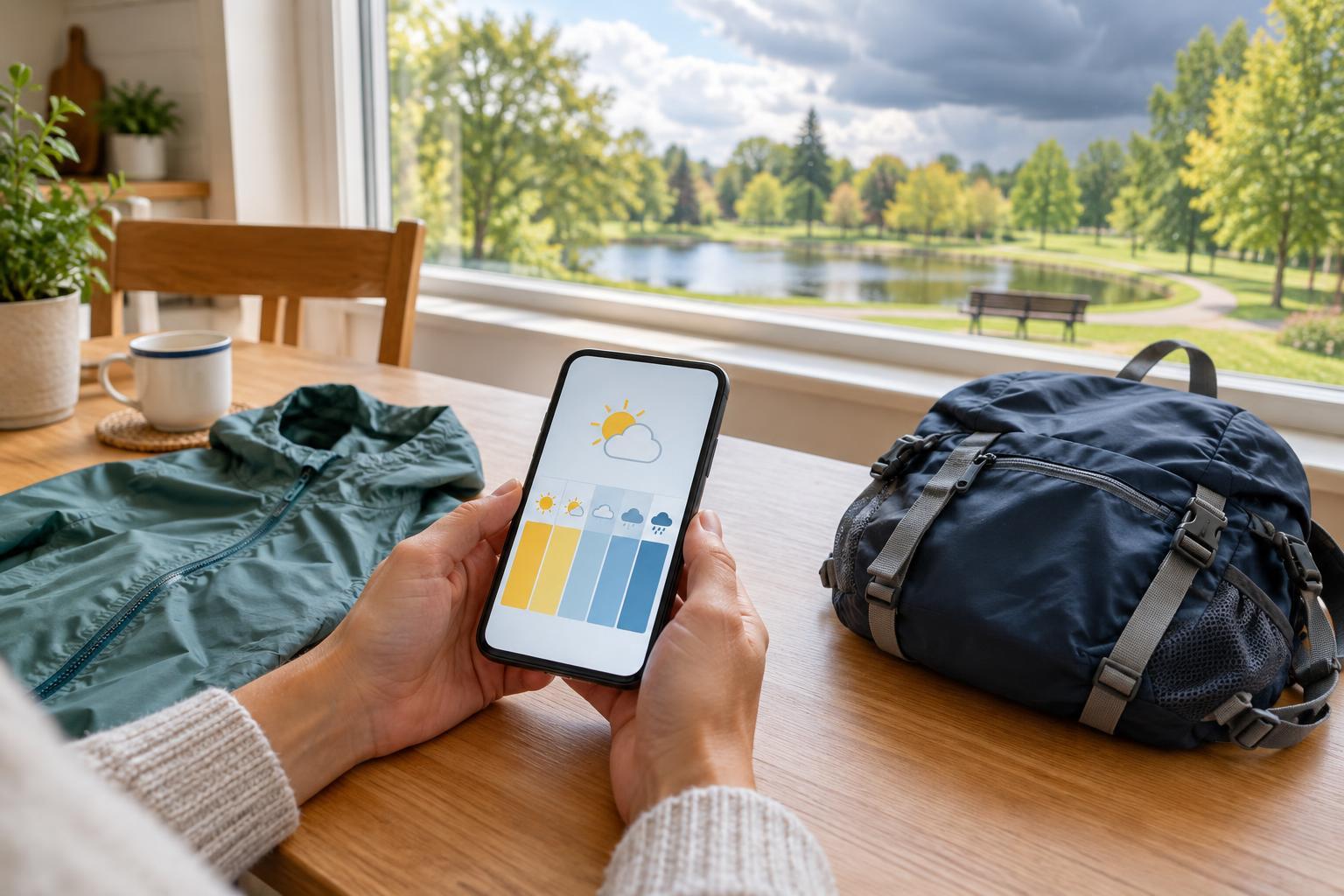
For an outdoor plan, check the forecast shortly before you go and pack for the conditions you may actually meet. A compact rain layer is often more useful than an umbrella when you need your hands free. On a bright day, consider a hat and sunscreen; when temperatures may change, a light extra layer can keep the late afternoon comfortable. Wear suitable shoes from the start rather than using bag space to compensate for uncomfortable footwear.
A few small items can solve common annoyances. Tissues, hand sanitizer and a spare reusable bag take up little room. The spare bag can hold a damp layer, carry an unexpected purchase or separate rubbish until you find a bin. If you expect to sit on grass or a bench, a lightweight foldable seat pad or small cloth may be worth the space. Choose these extras for your destination rather than packing all of them automatically.
Add one activity-specific item
Once the basics are covered, give the outing its own purpose. For sketching in a public garden, bring a small notebook and pencil. For a casual game in the park, pack a deck of cards or another compact game that works on an uneven surface. A museum visit might call for a notebook to record ideas, while a neighborhood photo walk may need nothing beyond a charged phone.
If you are meeting friends, agree on shared items before everyone packs. One person can carry the cards, another a picnic blanket, and each person can bring their own water. This keeps bags lighter and makes it less likely that a useful item is forgotten because everyone thought someone else had it. Leave valuable or fragile extras at home unless they are central to the plan.
Do a final check before you leave
Set the packed bag down, then put it on and walk around for a minute. If it pulls on one shoulder or feels heavier than expected, remove the least useful items. Place heavier things close to your back in a backpack, keep liquids upright where possible, and give your most-used essentials an easy-to-reach pocket. A crowded bag is harder to search, particularly when you are standing at a ticket desk or transit stop.
Finish with a simple exit check: keys, phone, payment, water and whatever makes this particular outing enjoyable. Make sure your phone has enough charge for the plans you have made, or bring a small power bank if you expect to rely on it throughout the day. Packing this way turns the bag into a helpful companion rather than a collection of things you carried just in case.