Choose one reason to go
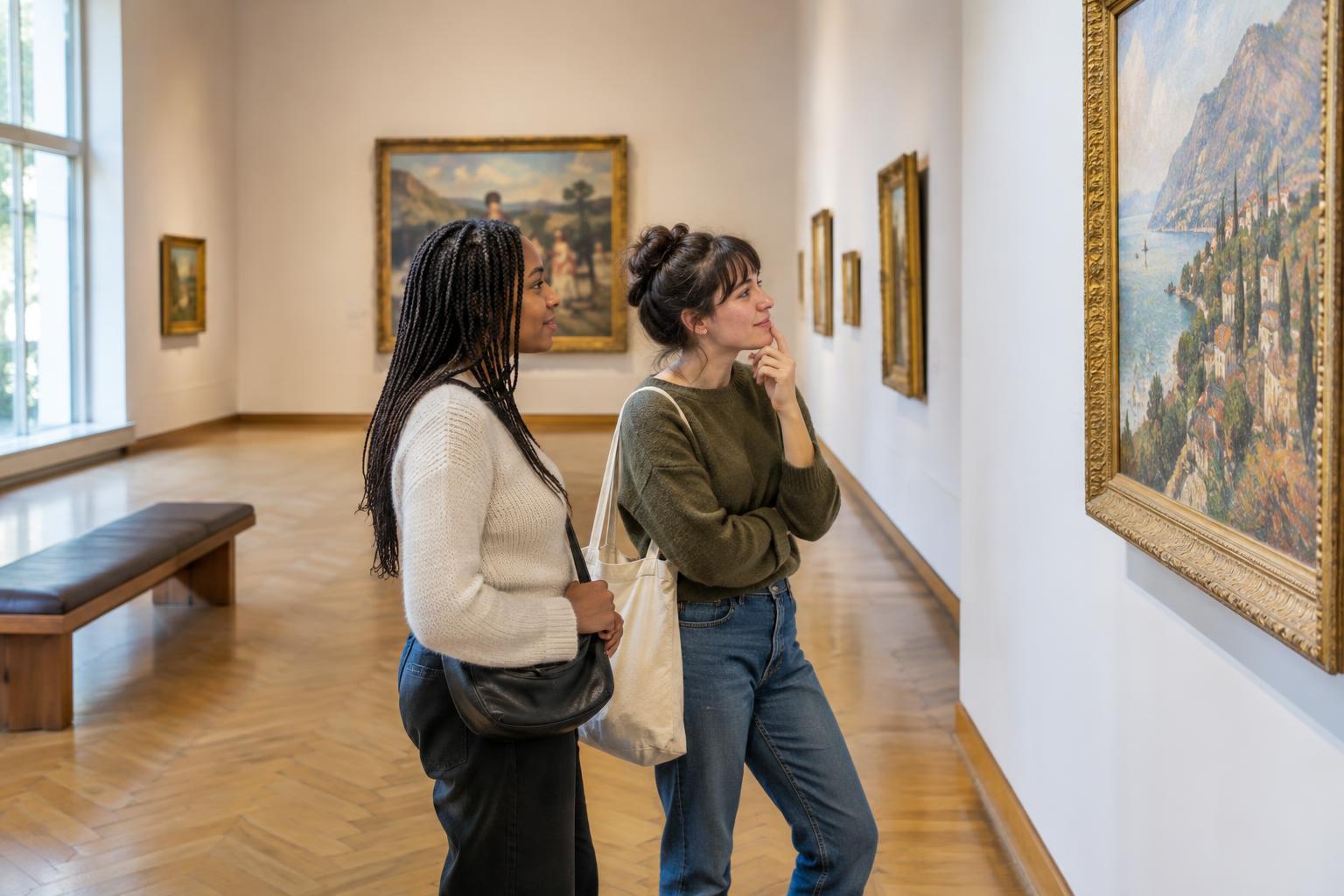
A museum visit can become tiring when you treat the floor plan as a checklist. Start with one thing you are curious about: a particular exhibition, a collection you have never seen, or simply a quiet afternoon looking at art or objects. That choice gives the outing a focus without requiring you to plan every minute.
Before leaving, look at the museum’s visitor information for opening hours, admission prices, temporary exhibition tickets and any reservation requirements. If you are considering a reduced-price period or free admission day, check which galleries it covers. A free general ticket may not include a special exhibition. Smaller local museums can also be worth considering: a shorter collection may make it easier to linger rather than hurry.
Set a budget for the whole outing
Admission is only one possible expense. Add up the likely cost of getting there, a snack or drink, and any paid exhibition you especially want to see. Decide which of those matters most to you before you go. If the special exhibition is the main attraction, for example, you might bring water if permitted and skip the café. If you mainly want time with a friend, a low-cost general admission visit may be plenty.
Check practical details that can prevent surprise spending. Find out whether you can bring a small bag, whether lockers cost money, and whether you may eat food you brought in a designated area. You can also plan to have a snack before or after the visit instead of inside the museum. Choose a transport option that fits your budget and energy; the cheapest route is less appealing if it leaves you worn out before you enter.
Build a short route with room to wander
Pick two or three galleries or areas as your loose route. If a temporary show requires a timed ticket, let that booking anchor the afternoon. Otherwise, start with the display you most want to see while your attention is fresh. Treat everything else as optional, not as a missed opportunity.
An afternoon of around two to three hours can include arrival, a few galleries and a break, but there is no ideal duration. Give yourself permission to spend ten minutes with one object and walk past others. Read labels when they deepen your interest, not because you feel obliged to read every word. If the museum has a map, mark a convenient place to sit or a natural point to turn back. That makes it easier to avoid a long, tired walk at the end.
Make the visit comfortable
Comfort has a direct effect on how much you enjoy looking. Wear shoes you can stand in, bring only what you need, and check the museum’s rules before packing food, drinks or a camera. If seating, step-free access or a quieter space would help, review the museum’s accessibility information before you travel. You can plan your route around those needs rather than trying to push through discomfort.
Take a pause before you feel you have earned one. Sit down, look back at the map, or ask your companion which exhibit has stayed with them. If you are visiting with someone whose interests differ from yours, agree that it is fine to spend a little time apart and meet at a clear spot. A relaxed plan gives both people more freedom to enjoy the visit.
End while you are still curious
You do not need to see the final gallery to make the trip worthwhile. When your attention begins to fade, consider returning to a favorite room, taking one last look at an object you liked, or heading out. The shop and café can be pleasant stops, but neither is required for a complete museum afternoon.
On the way home, name one thing that surprised you or that you would like to learn more about. That small reflection helps the outing feel memorable without adding a task to it. If there is more you want to see, leave it for another visit when your time and budget allow. A good plan makes space for curiosity, not just coverage.