Agree on the loan before you take the item
Shared equipment might belong to a friend, a neighbor, a hobby group or a communal cupboard. Before taking it, confirm that it is available and that the person lending it is comfortable with your plans. Say what you want to use it for, whether anyone else will handle it and whether it needs to leave the usual location. Permission to use something at a group meetup is not necessarily permission to take it home.
Set a return time that is specific enough to be useful: for example, before the next game night or by Sunday evening. Ask where the owner would like it returned and whether they need it sooner for a particular event. If the item has special handling needs, such as keeping a case upright or cleaning a tool without soaking it, find out now. A short conversation is easier than guessing later.
Make a record that takes seconds to check
A lightweight record helps both sides remember the arrangement. For an occasional loan, a message saying what you borrowed and when you expect to return it may be enough. In a shared space, use a notebook or simple sign-out sheet kept beside the equipment. Record the item, the borrower, the date, the agreed return time and any important accessories. Choose one place for the record so nobody has to search through several chats or lists.
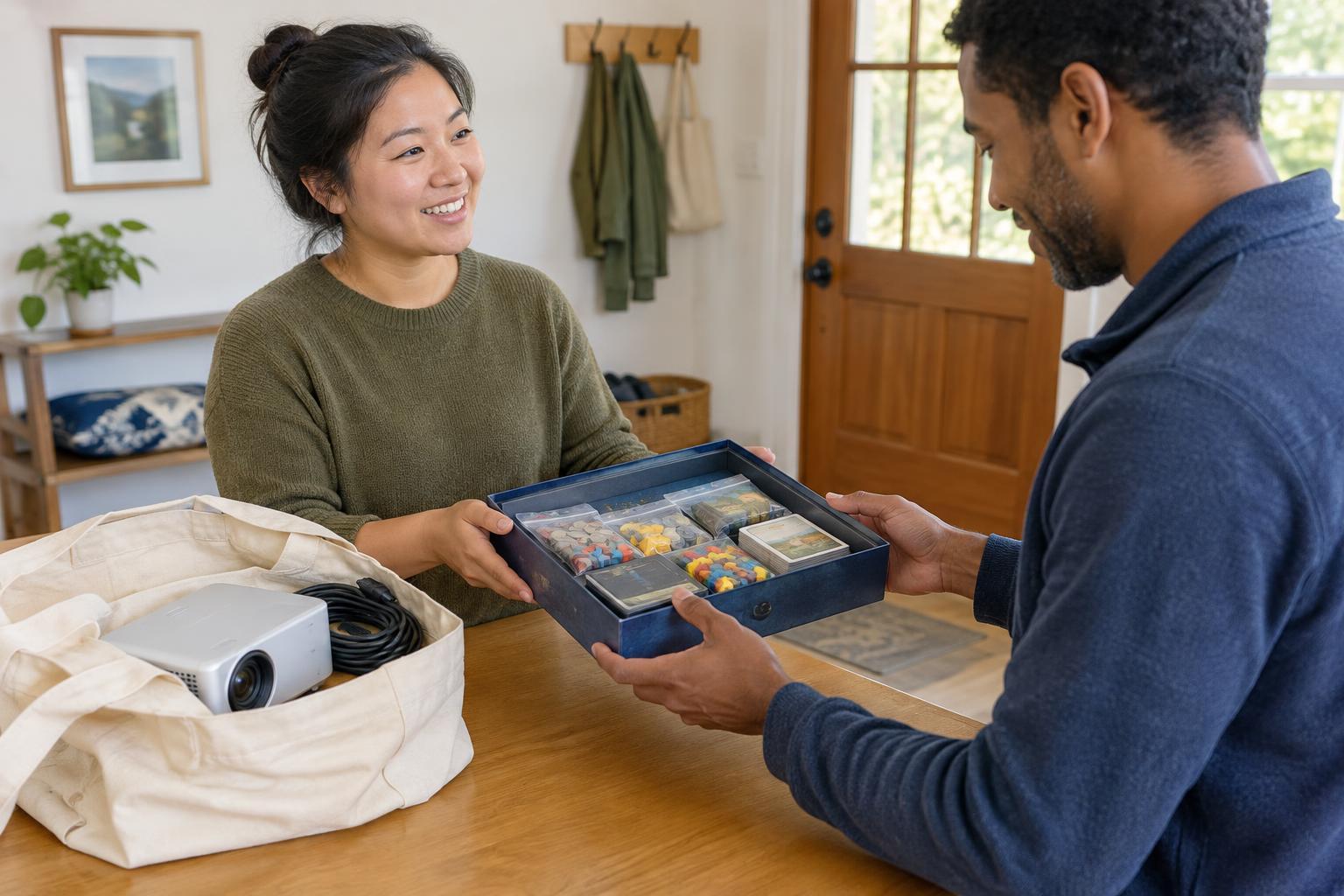
Before leaving, check the contents together when practical. Count game pieces, note cables and chargers, or look for attachments stored in separate pockets. You do not need a detailed inventory for every pencil or card, but small, essential parts deserve attention. If something is already worn or missing, note it without making a fuss. That protects the borrower from confusion and gives the owner a clearer picture of what needs replacing.
Keep borrowed gear together while you use it
Give the item a temporary home as soon as you bring it in. Keep the bag, case or box with it, and put removable pieces back there after each use. A labeled pouch can stop loose dice, adapters or batteries from drifting into a drawer. If you borrow several items for one activity, place them together rather than mixing them with your own supplies.
Use the equipment within the limits you agreed on. Keep food and drinks away from items that could be damaged by spills, and avoid leaving gear where it might be stepped on or exposed to weather. If other people use it with you, let them know it is borrowed and show them where its parts belong. When an item is especially easy to misplace, such as a key or charging cable, decide on one storage spot and use it every time.
Check it before arranging the return
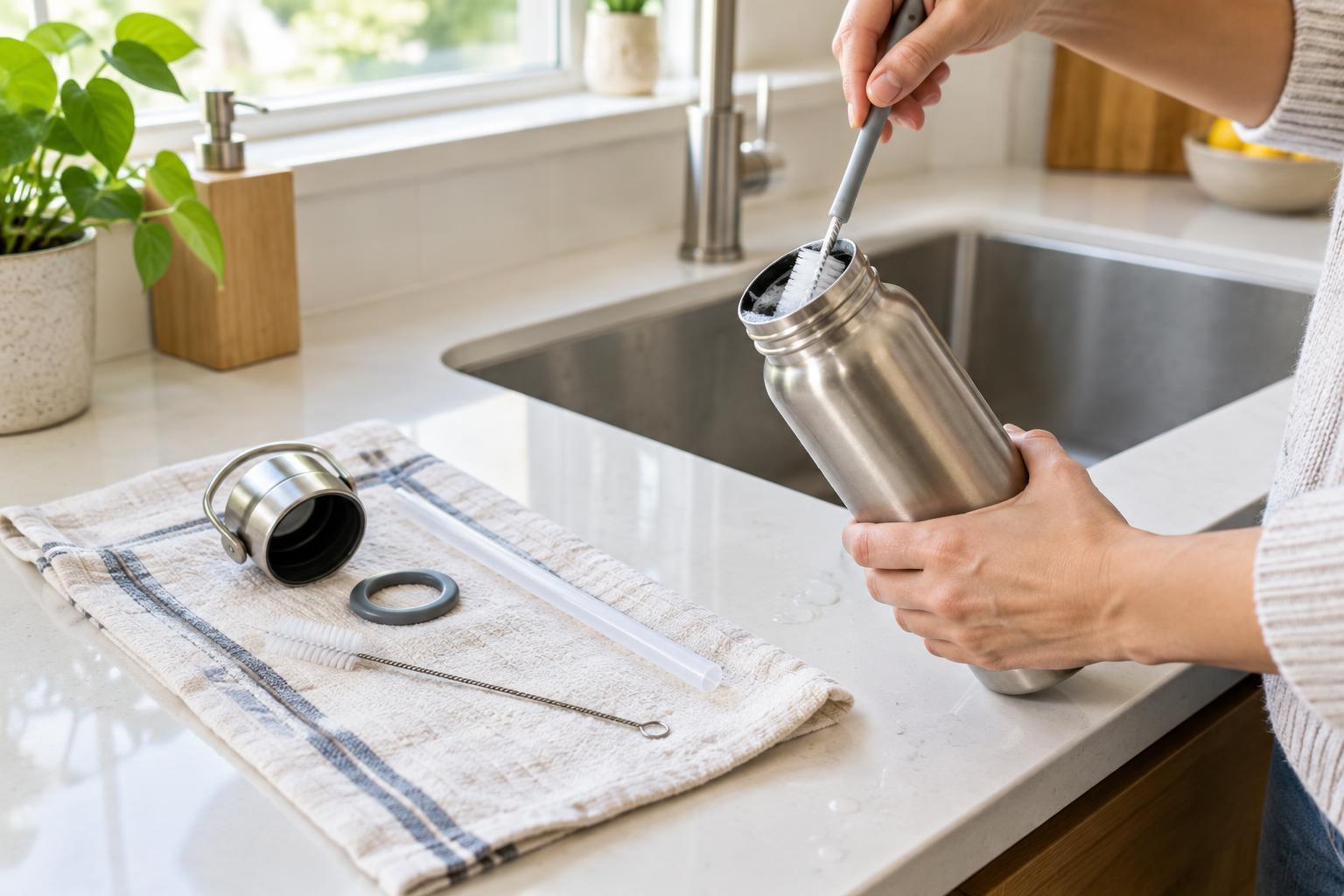
Leave time for a quick check rather than packing in a rush. Compare the item with your note or with the contents list inside its case. Look under tables and in bags for small pieces. Clean it according to the owner's instructions, let it dry if necessary and pack it so it can travel safely. Returning equipment in usable condition is more helpful than simply putting it back on a shelf.
If a part is missing or something was damaged, tell the owner promptly and plainly. Explain what you have checked and ask how they would like to handle it. Do not quietly substitute a different part or attempt a repair that might make the problem worse. Likewise, if you need more time, ask for an extension before the agreed return rather than assuming it will be fine. The owner may have promised the item to someone else.
Close the loop with a clear handoff
Return the item to the agreed person or location, not just somewhere nearby. If you cannot hand it over directly, confirm that leaving it in a particular place is acceptable. A brief message such as “The projector and its remote are back in the cabinet” lets the owner know the loan is finished. In a group system, mark the item returned only after it is actually there.
For equipment borrowed often, keep the routine easy to repeat. Put the sign-out sheet near the storage spot, store accessories with the main item and give each case a clear label. The aim is not to turn a friendly loan into paperwork. It is to make the next borrower’s turn simple—and to ensure a useful shared item stays ready for everyone.