Give your notes a job
When you start a hobby, it is easy to forget the small discoveries that make the next session easier. Which brush gave you the effect you liked? Why did that board-game strategy fail? How long did it take to set up your sewing machine? Useful notes answer questions like these. They are not a transcript of everything you did; they are a shortcut back to what you learned.
Before choosing a notebook or app, decide what you want to remember. A beginner might need to track unfamiliar terms and basic steps. Someone returning to a hobby after a break might care more about where they left off. Pick one or two purposes and let them guide what you record. If a detail will not help you repeat an enjoyable result, avoid a mistake, or choose a next step, you can probably leave it out.
Use a small, repeatable format
A useful entry can fit in a few lines: what you tried, what happened, and what you will try next. For example: “Sketching faces: tried drawing the whole outline before placing the features. The eyes ended up too high. Next time, mark a center line first.” That is more actionable than “Need to get better at faces,” and it takes little time to write.
Add details only when they matter to the activity. For a recipe, you might note an ingredient swap and whether you would make it again. For a walking route, record a landmark that helps you find the path and whether the pace felt comfortable. For a card game, write down a rule your group kept forgetting. You do not need to fill the same fields every time; the format should support the hobby, not interrupt it.
Capture notes without stopping the fun
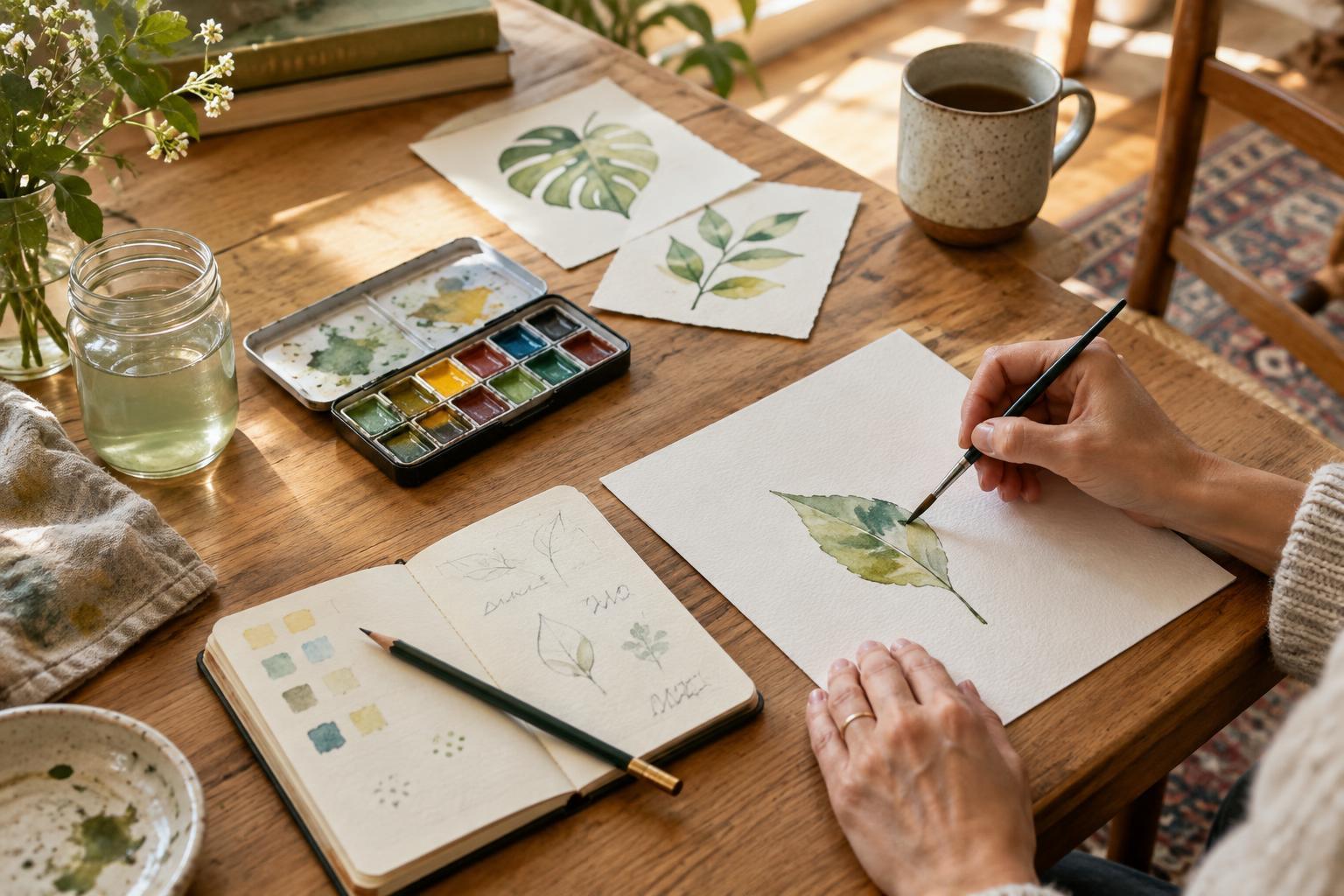
Choose a method you can use where the hobby happens. A small notebook works at a craft table; a note on your phone may be handier after a class or outing. Photos can preserve a work-in-progress, a game setup, or the arrangement of supplies. Give each photo a short caption later so you know why you saved it. The best system is the one you will actually reopen, not the one with the most features.
Try noting one observation during a natural pause, then spend two minutes at the end of the session writing your next step. If writing pulls you out of the activity, wait until you finish. A quick voice note can also hold a thought until you have time to put it somewhere you can find it. The goal is to leave yourself a helpful reminder, not to document every move.
Record experiments, not just successes
An attempt that did not work can be especially useful when you write down enough context to learn from it. Instead of “The bread was bad,” note what you changed, what you noticed, and what you might adjust next time. Try to separate observation from guesswork: “The center was still doughy” is an observation; “I may have taken it out too soon” is a possible explanation. That distinction keeps one rough result from becoming a rule you never test.
It also helps to record what felt enjoyable. Perhaps you preferred a relaxed drawing exercise to a detailed tutorial, or a shorter walk made it easier to invite a friend. Hobbies are not only about improving a measurable skill. Notes about your preferences can help you spend more time on the parts you want to return to.
Review just enough to choose your next session
Notes become useful when you glance at them before trying again. Look for one unfinished experiment, one recurring snag, or one setup detail you tend to forget. Then choose a small next action: practice a particular chord change, bring the right tool, or replay a game using the rule you clarified. A focused plan makes it easier to begin without requiring you to plan an entire course of study.
Every so often, remove reminders that no longer help and collect the ones you use often in one place. A short list of favorite materials, reliable steps, or ideas to try can be easier to scan than months of entries. Keep the system flexible as the hobby changes. If your notes make the next session simpler or more inviting, they are doing their job.