Start with a walk you already know
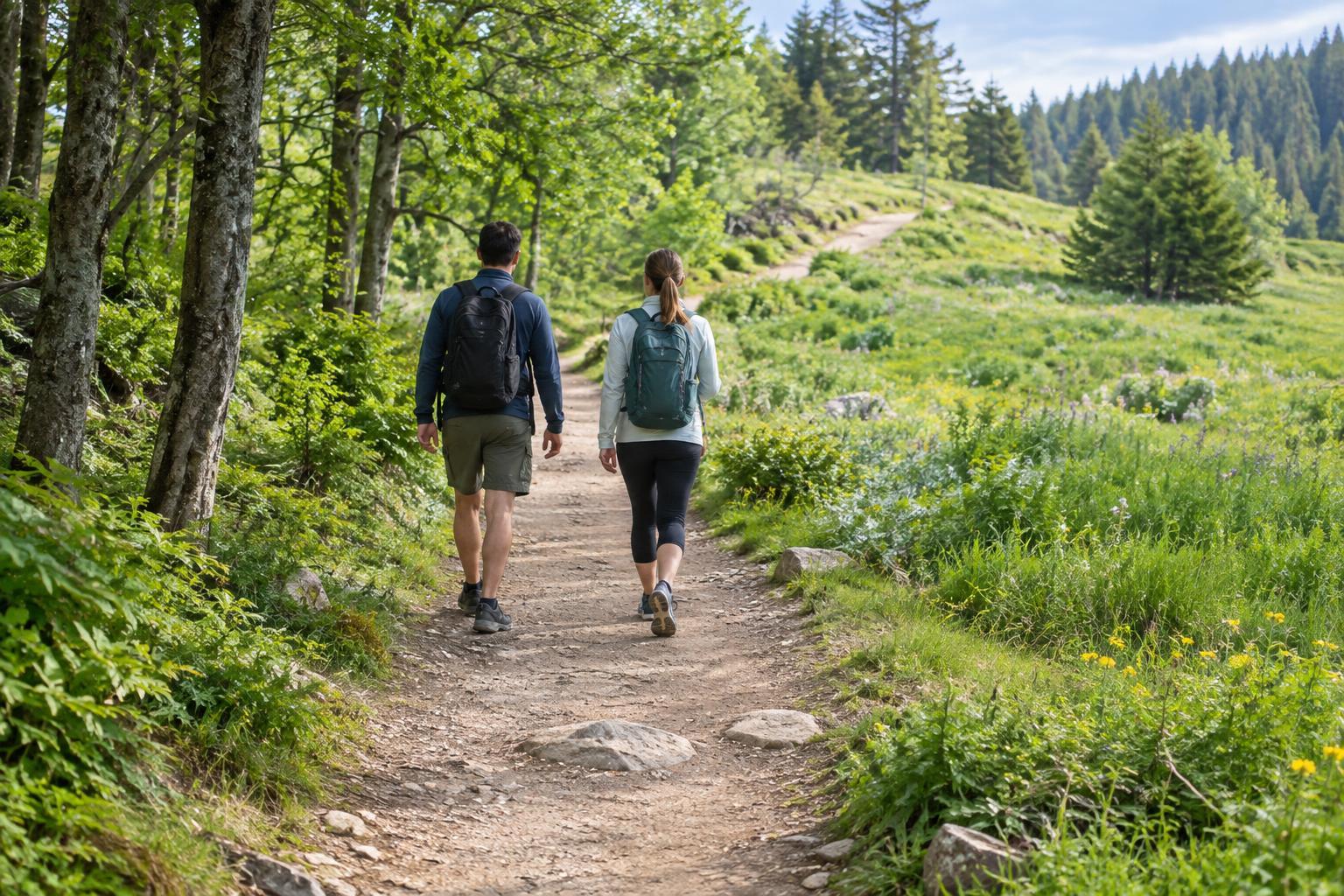
A beginner-friendly trail is one that matches your current comfort level, not one that meets a universal mileage target. Think about a recent walk you enjoyed: how long were you moving, were there hills, and how did you feel afterward? Use that experience as a starting point. If your usual walk is on level pavement, choose a first trail that is similarly short and relatively smooth rather than adding distance, steep climbs, and uneven ground all at once.
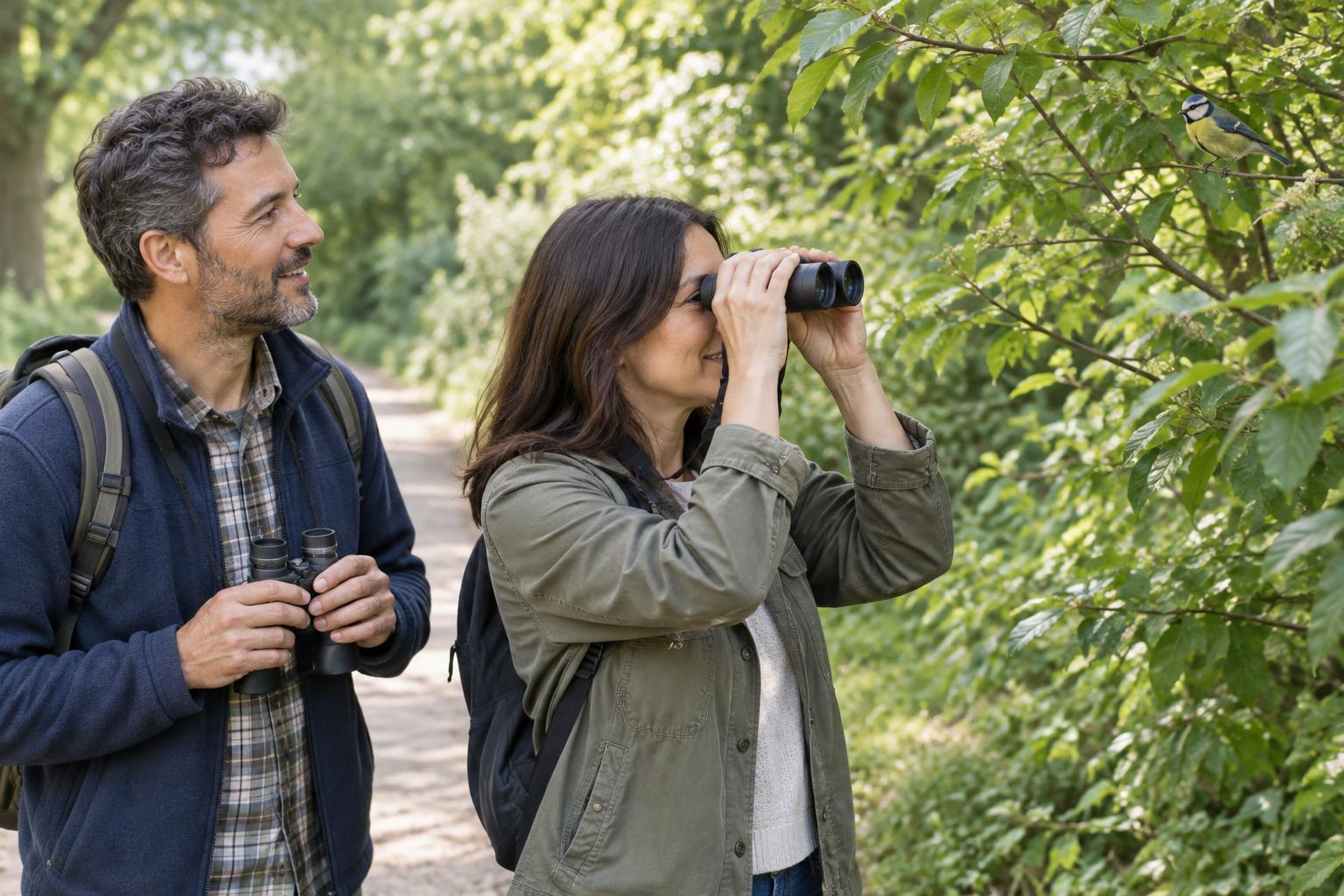
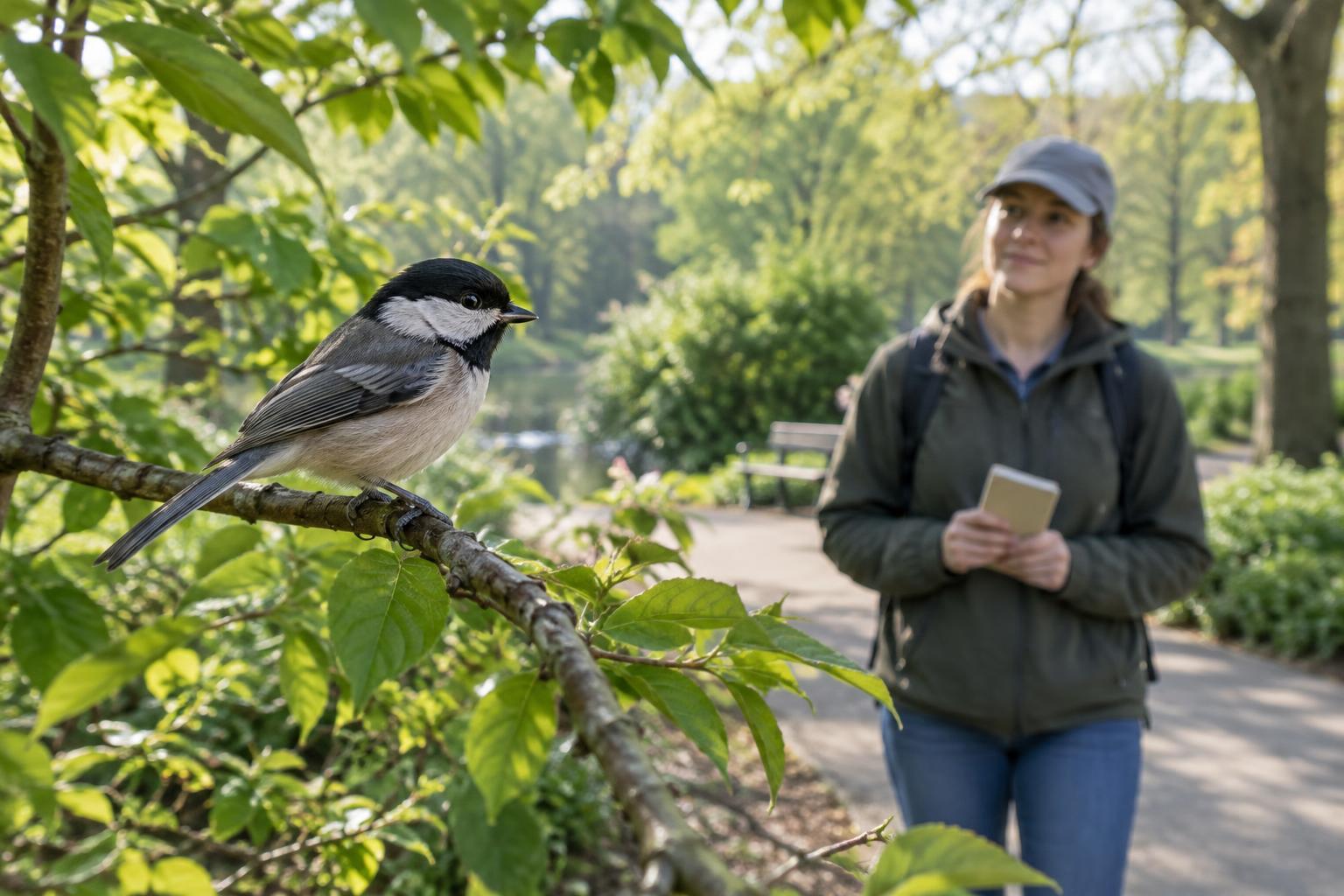
Decide what would make the outing enjoyable, too. You might want an easy conversation with a friend, time to notice birds and plants, or a quiet walk with plenty of pauses. Leave room for those stops when choosing a route. A trail that looks modest on paper can feel like a full afternoon when you include travel, breaks, and time spent finding your way.
Read distance as a round trip
Check whether a listed distance describes the whole route or only the way to a viewpoint. On an out-and-back trail, a two-mile walk to a destination means you must cover the same ground to return. For a loop, confirm that the distance follows the route you intend to take; parks sometimes show several connected loops on one map. If the listing is unclear, look for a route description or map before treating the number as your plan.
Shorter can be the better choice for a first visit to an unfamiliar area. It gives you time to learn how trail signs work, test your footwear, and adjust to a different walking surface. If you reach the end feeling good, you can always plan a longer walk another day. Avoid counting on an unmarked shortcut to reduce the distance once you are out.
Look beyond the elevation number
Elevation gain describes how much climbing a route includes, but it does not show exactly where the climbing happens. A gradual rise spread across a walk may feel different from a short, steep hill. If a trail description includes a profile or mentions switchbacks, stairs, or a sustained climb, use those details alongside the total gain. Also remember that the return trip may involve a descent that asks for careful footing.
Compare the trail with hills you have already walked comfortably. If you are unsure, favor a route with modest climbing and a clear place to turn around. An out-and-back trail makes that choice especially simple: you can stop before the climb becomes tiring and still follow the same path home. If a loop has its hardest section near the end, make sure you are comfortable with that commitment before starting.
Match the terrain to your footing
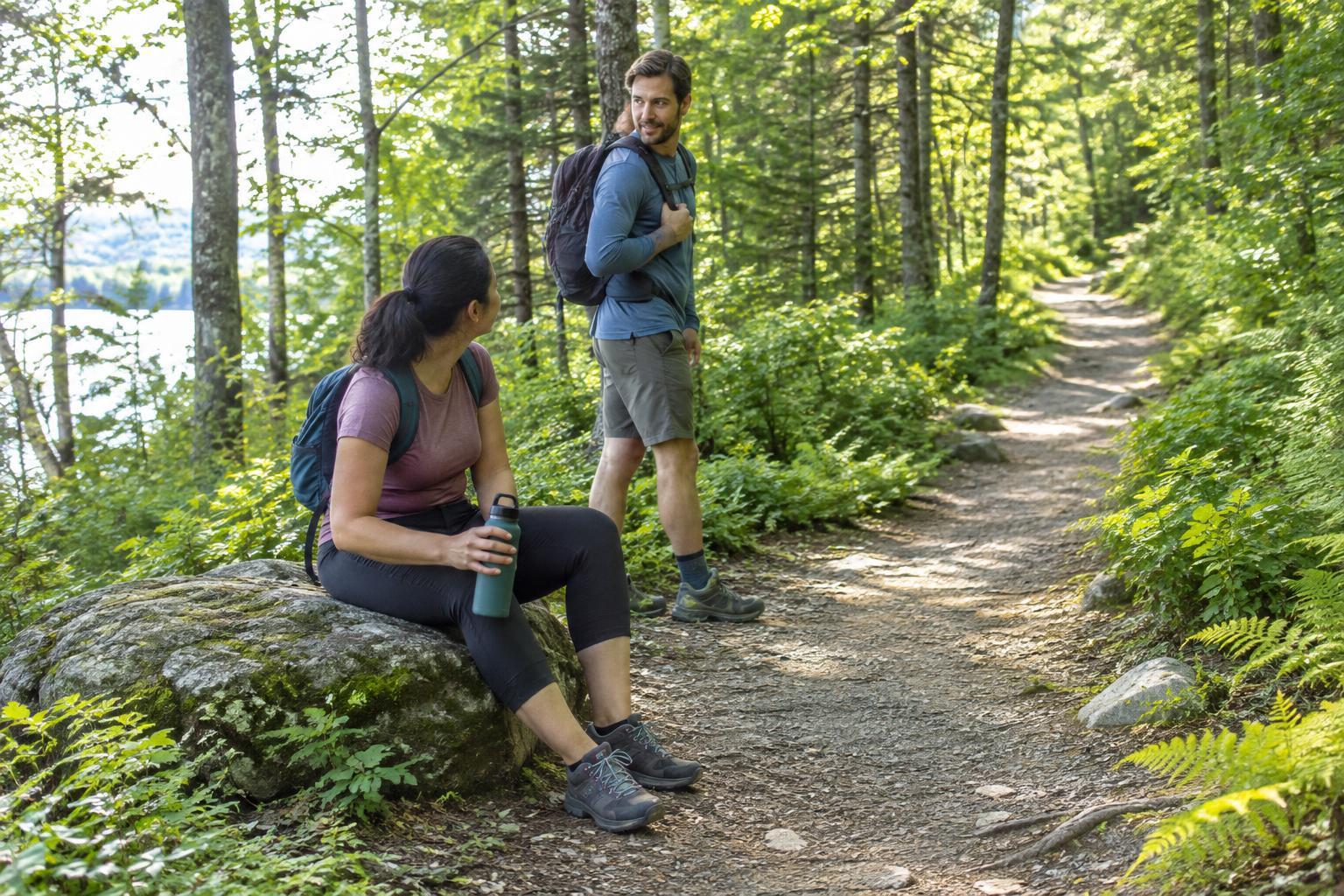
Terrain affects effort even when distance and elevation look easy. A broad, firm path usually allows a steadier stride than loose gravel, exposed roots, sand, or a rocky track. Narrow trails can require more attention when passing other walkers. Descriptions such as “rugged” or “scramble” suggest a different outing from a casual walk, so read past a trail’s distance and difficulty label to find out what is underfoot.
Conditions can change how a familiar surface feels. Rain may make mud, wooden steps, or smooth stones slippery; fallen leaves can hide roots. If the description is vague, choose a well-marked path with straightforward footing for your first trip. Wear comfortable shoes with grip, and consider bringing a dry pair of socks for afterward. You do not need specialized gear for every walk, but you do need to feel secure taking each step.
Check the practical details before you go
A good route also has a workable beginning and end. Find the intended trailhead, where you can park or arrive by transit, and whether the route is clearly signed. Check any posted access rules, opening hours, or closures before leaving. Save or carry a map if one is available, since a phone signal may be unreliable in some outdoor areas. Tell someone your general plan if you are heading out alone.
Bring water and dress for the conditions you expect, with an extra layer if the weather could change. Set a turnaround time so you are not rushing the last stretch, and be willing to shorten the walk if the trail is harder than expected. Choosing a beginner-friendly route is not about proving you can finish it; it is about making the walk comfortable enough that you will want to go again.