Start with the people who will play
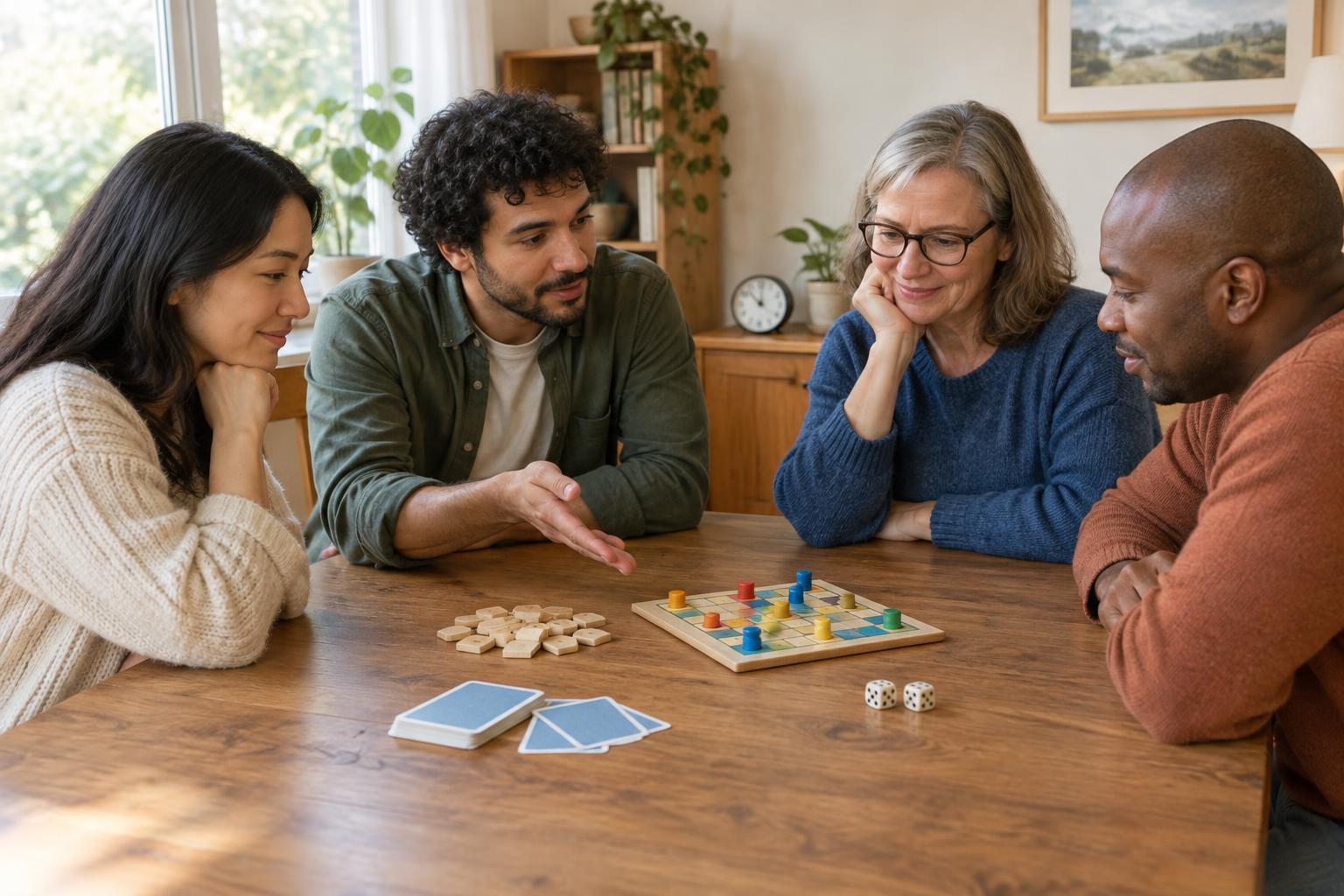
Player count is the first filter because it changes how a game feels, not just whether the box says it can be played. Before choosing, count the people who want to participate and consider whether anyone may join late or leave early. A game that needs everyone present from start to finish may be awkward for a gathering where people come and go.
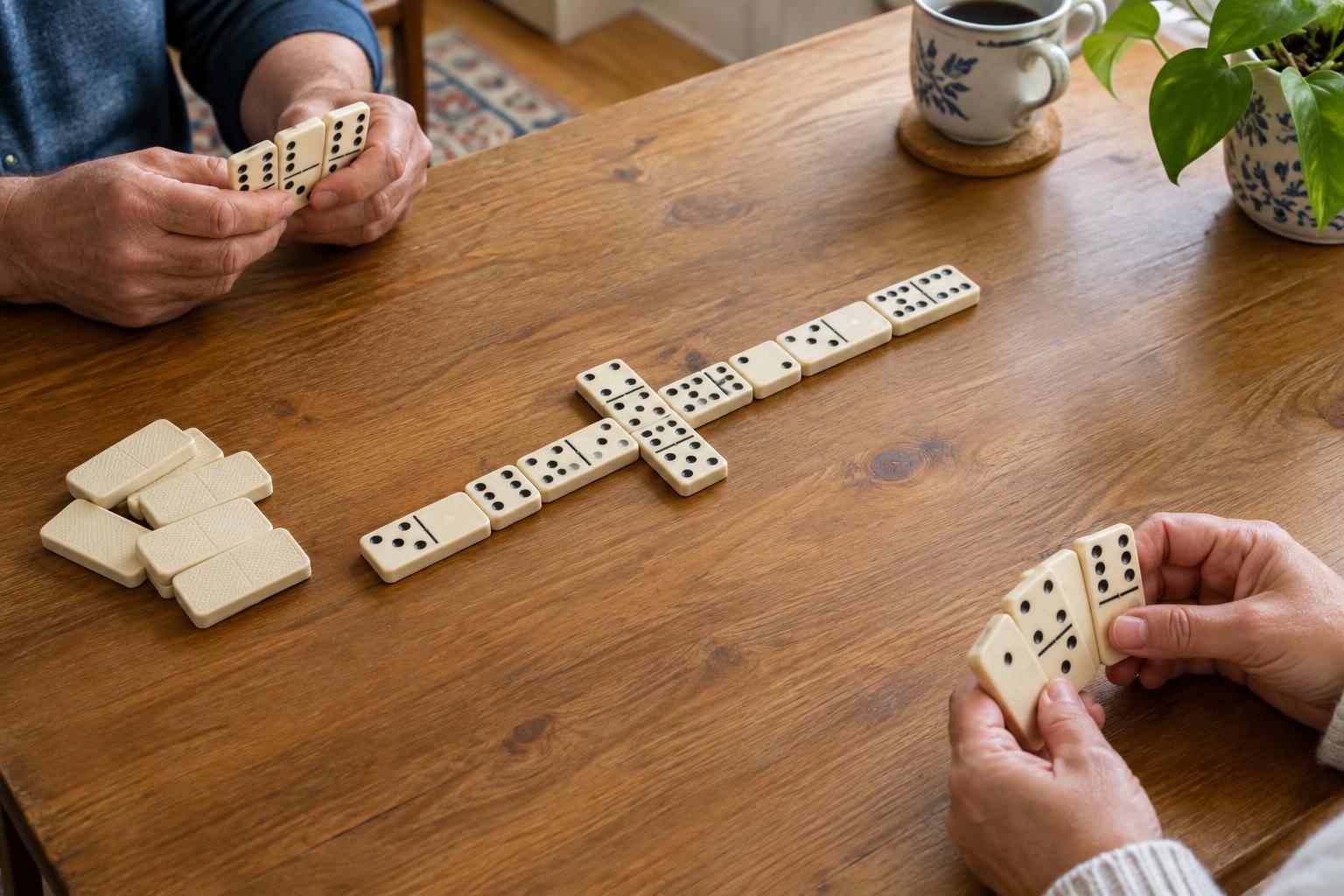
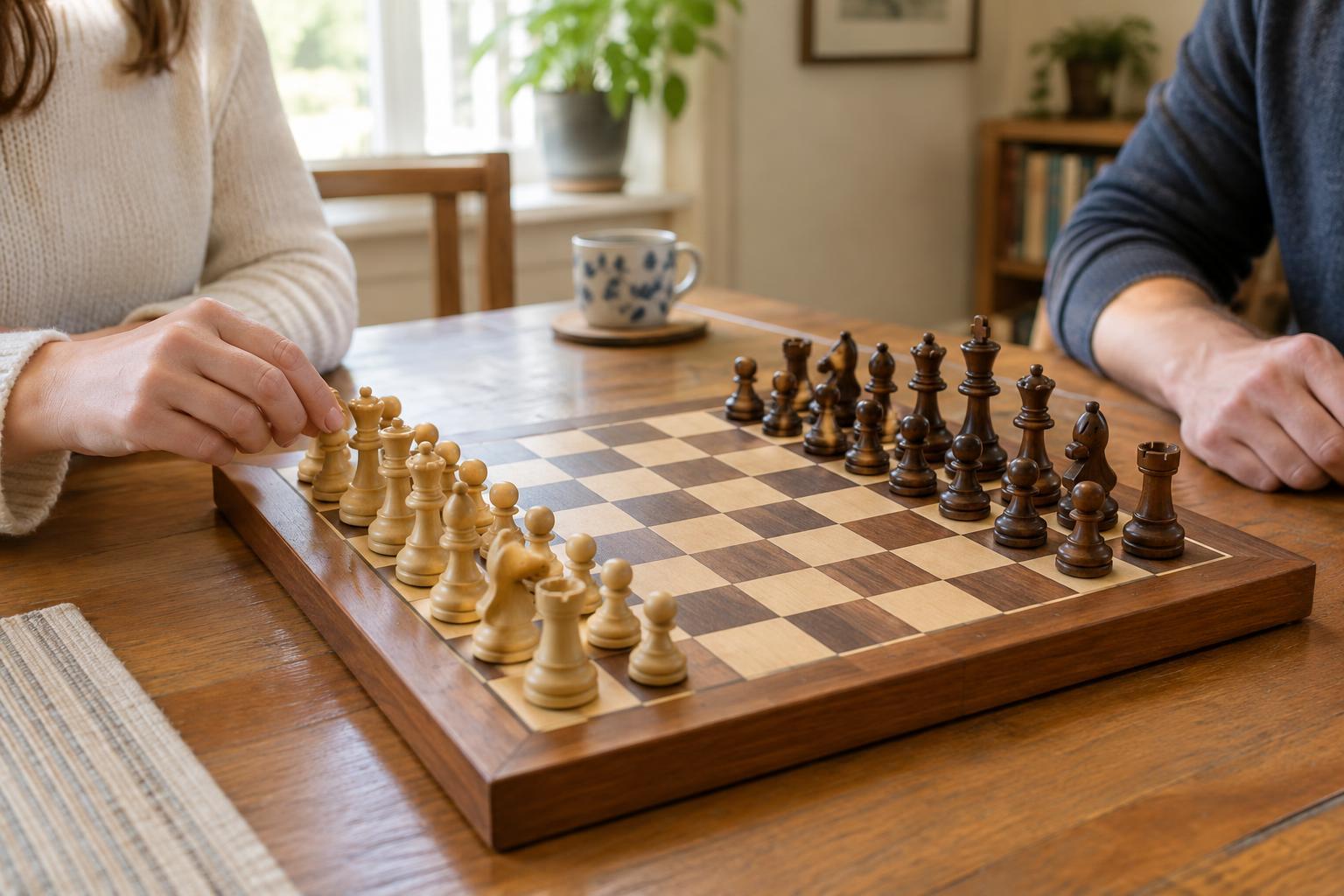
For two players, look for a game designed for head-to-head play or one with a satisfying two-player mode. With a larger group, consider how long each person waits between turns. Team games, cooperative games, and short-round party games can keep more people involved at once. For solo play, puzzles and one-player games offer an activity you can pause without coordinating schedules. Treat a printed player range as a starting point, then ask whether that particular group will enjoy the amount of conversation, competition, and waiting involved.
Match the game to the time you really have
A game’s listed play time may not include explaining rules, setting up pieces, choosing teams, or putting everything away. If you have an hour together, a game described as taking an hour could feel rushed. Leave a little room for conversation and interruptions, especially when some players are new.
For a short window, favor games with few components, familiar rules, or rounds that stand alone. Card games and word games can be useful here, provided everyone understands how to begin. If you have a whole evening, you can consider a longer strategy game, but check whether the group wants one continuous session or several chances to switch activities. A practical question is: “If we stop after half an hour, will that feel like a natural ending?” When the answer is no, save that game for a less constrained day.
Choose a comfortable level of complexity
Complexity is more than the length of a rulebook. A game can have simple instructions yet demand careful planning every turn. Another might take longer to learn but become relaxed once everyone knows the routine. Think about three separate demands: how much players must remember, how many decisions they face, and how much attention they need to give other players.
For a mixed-experience group, start with the least enthusiastic learner in mind. If someone wants to chat while playing, a game that requires constant concentration may be a poor fit even if everyone could learn it. A useful test is to explain the goal and a typical turn in a few sentences. If the group is still interested, teach the rest as it becomes relevant when possible. If explaining the basics feels like a chore tonight, pick a lighter game rather than pushing through.
Check the mood and the room
Once you have a shortlist that fits the count, time, and complexity, use the setting to decide. A crowded coffee table may suit cards better than a game with a large board and many small pieces. A noisy room may make a spoken-clue game difficult, while a quiet room may be ideal for it. If people will be eating, consider whether the game needs a clear surface or frequent handling of components.
Mood matters just as much as space. Ask whether the group wants to compete, solve something together, laugh through quick rounds, or settle into a thoughtful challenge. Competition can be fun for one group and tiring for another. If you are hosting, offering two distinct options is often easier than asking an open-ended question: for example, one quick, light game and one longer game with more decisions. Let the players choose the experience they want.
Keep a flexible backup plan
You do not need a large collection to be ready for different occasions. A few contrasting choices can cover many gatherings: a short game that works across several player counts, a two-player option, and something cooperative or team-based for a larger group. Games you already own may fill those roles; the point is to know when each one fits.
Before starting, confirm the number of players, the time available, and how much effort people want to spend learning. Then pick the game that satisfies all three reasonably well, rather than the one that is most impressive in isolation. Keep a simpler backup nearby in case the group grows, someone gets tired, or the first choice does not click. The best indoor game for the evening is the one people can comfortably start, enjoy, and finish together.