Start with a route, not a list
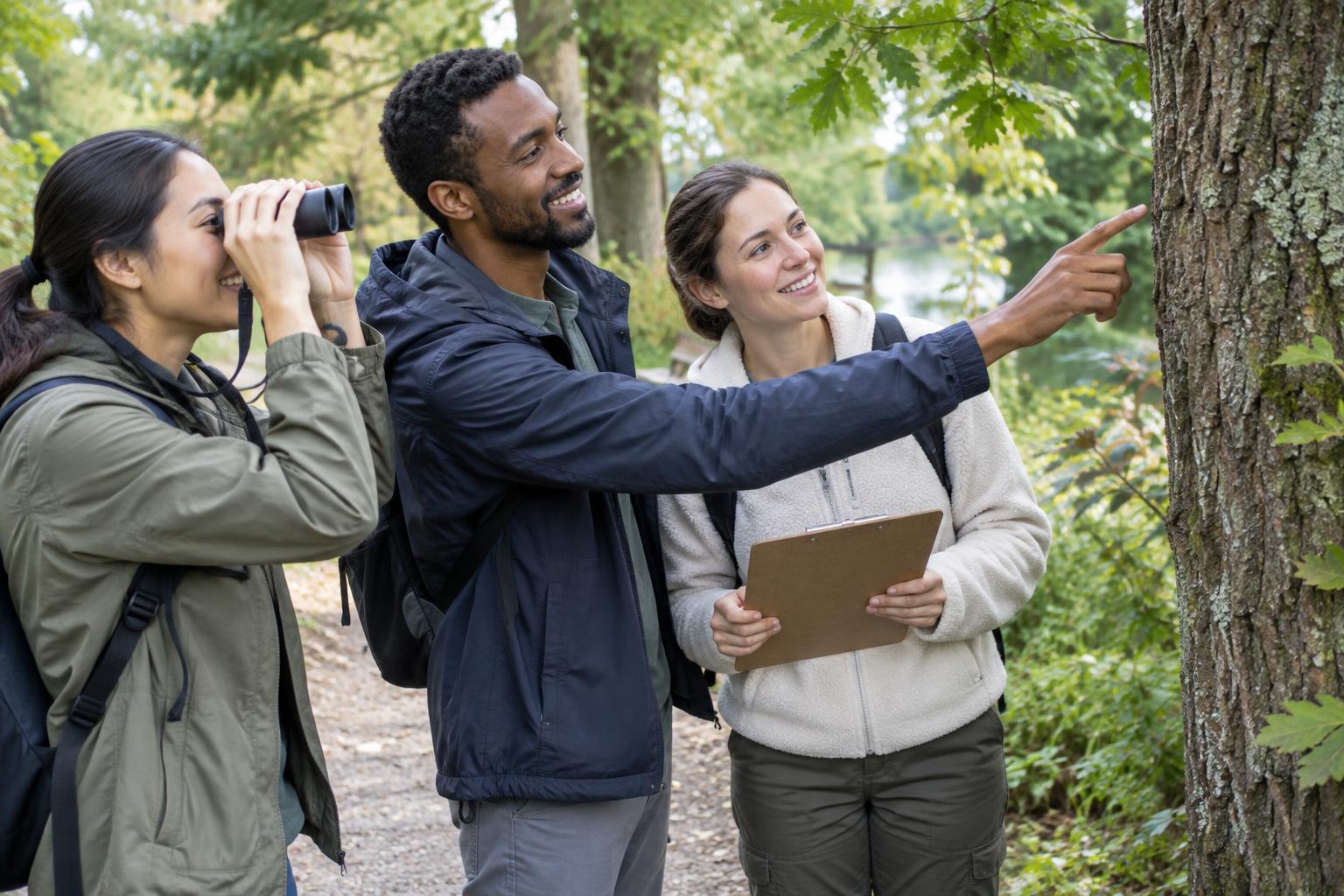
A nature scavenger hunt gives a park walk a small purpose: notice things you might otherwise pass. In a no-picking version, nobody needs to bring anything home. Players check off discoveries by pointing, describing, sketching or taking a photo where permitted. It works for a solo stroll, a relaxed date or a group of friends, and preparation can take less time than the walk itself.
Choose a familiar route or a manageable loop, then think about what can be seen from its paths. A park with lawns, trees and a pond will offer different clues from a short woodland trail. Keep the distance and pace comfortable for everyone joining you, and agree on a meeting point if people will spread out. The best hunt fits the place and the people rather than sending anyone searching for something rare.
Write clues that reward noticing
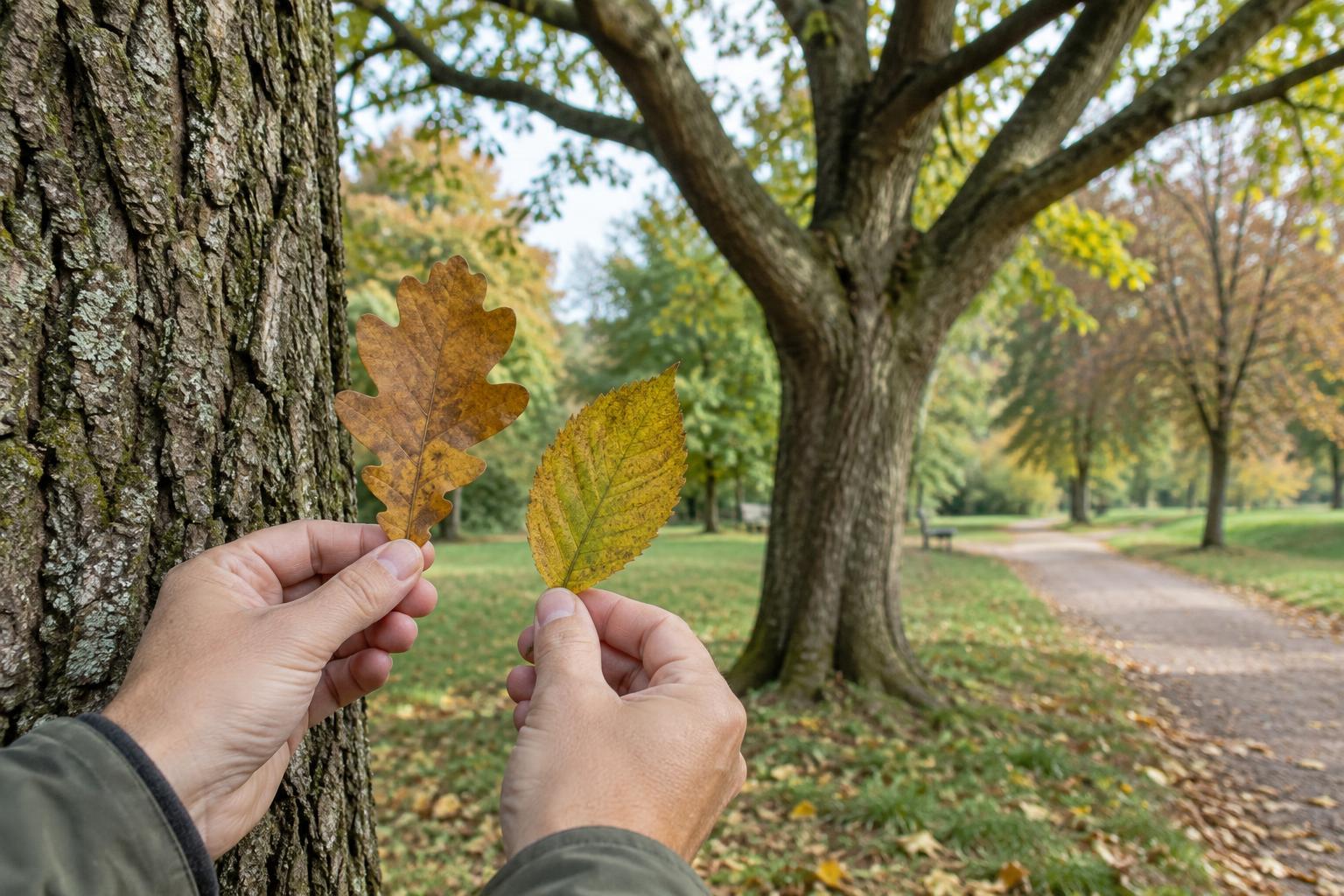
Make a list of about a dozen prompts with a mix of easy finds and open-ended challenges. Useful clues describe a feature rather than demand a particular species: a leaf with a jagged edge, a tree with more than one trunk, three shades of green in one view, a natural pattern that repeats, or a place where something grows through a crack. Players can complete these without identifying plants or touching them.
Add a few prompts for sound, movement and change. Try “hear two different bird calls,” “spot a shadow with an interesting shape,” or “find evidence that the weather has affected something.” These leave room for interpretation, which makes comparing answers part of the fun. Avoid clues that require a close approach to wildlife, looking inside nests or moving logs. If you want a tougher round, ask players to explain what drew their attention instead of making the list longer.
Set simple no-picking rules
Before setting off, agree that plants, fungi, stones and fallen objects stay where they are. A fallen feather or an appealing pebble can be a find without becoming a souvenir. Stay on paths where the park asks visitors to do so, and observe animals from a distance that does not change their behavior. Treat signs, closures and other visitors’ space as part of the game’s boundaries.
Choose how to record a find. A paper checklist is easy to share, while a phone note works well for short descriptions. Photos and sketches are optional, not proof requirements: some moments are better enjoyed without a camera, and a description such as “tiny yellow flowers beside the north path” is enough. If photographs include other visitors, respect their privacy. For a group, decide whether one sighting counts for everyone or each person needs to notice their own.
Keep the game flexible on the walk
Start with two or three obvious clues so everyone gets into the rhythm. After that, let people scan at their own pace. A good find can prompt a pause and a conversation, but it does not need to turn into a contest over who saw it first. If a clue seems impossible in that park or season, swap it for another observation on the spot. Empty boxes are not a failed walk.
For a more social version, pair up and give each pair a different challenge, such as finding textures or noticing sounds. Meet halfway to trade clues, then continue together. With a mixed-mobility group, choose prompts visible from an accessible route and make the shared conversation the goal, rather than rewarding whoever covers the most ground.
Finish with a short show-and-tell
At the end, invite each player to share one surprising find and one clue they interpreted differently from someone else. You might discover that “a place where nature meets a building” means moss on a wall to one person and a tree shading a bench to another. There is no need to settle every answer; the point is to look more closely.
Keep your list for another visit and change a few prompts next time. The same route may reveal new colors, sounds or patterns in different conditions. A repeat hunt is also a chance to notice what you missed while checking boxes. When the game helps you enjoy the walk without leaving a trace of the game behind, it has done its job.