Start with the activities you actually do
Hobby supplies have a way of spreading beyond their original drawer. A deck of cards lands beside the books, spare batteries end up in a kitchen cupboard, and a half-finished craft project stays on the table because putting it away feels like a project of its own. You do not need a perfect storage system to change that. You need one that makes starting and stopping an activity easier.
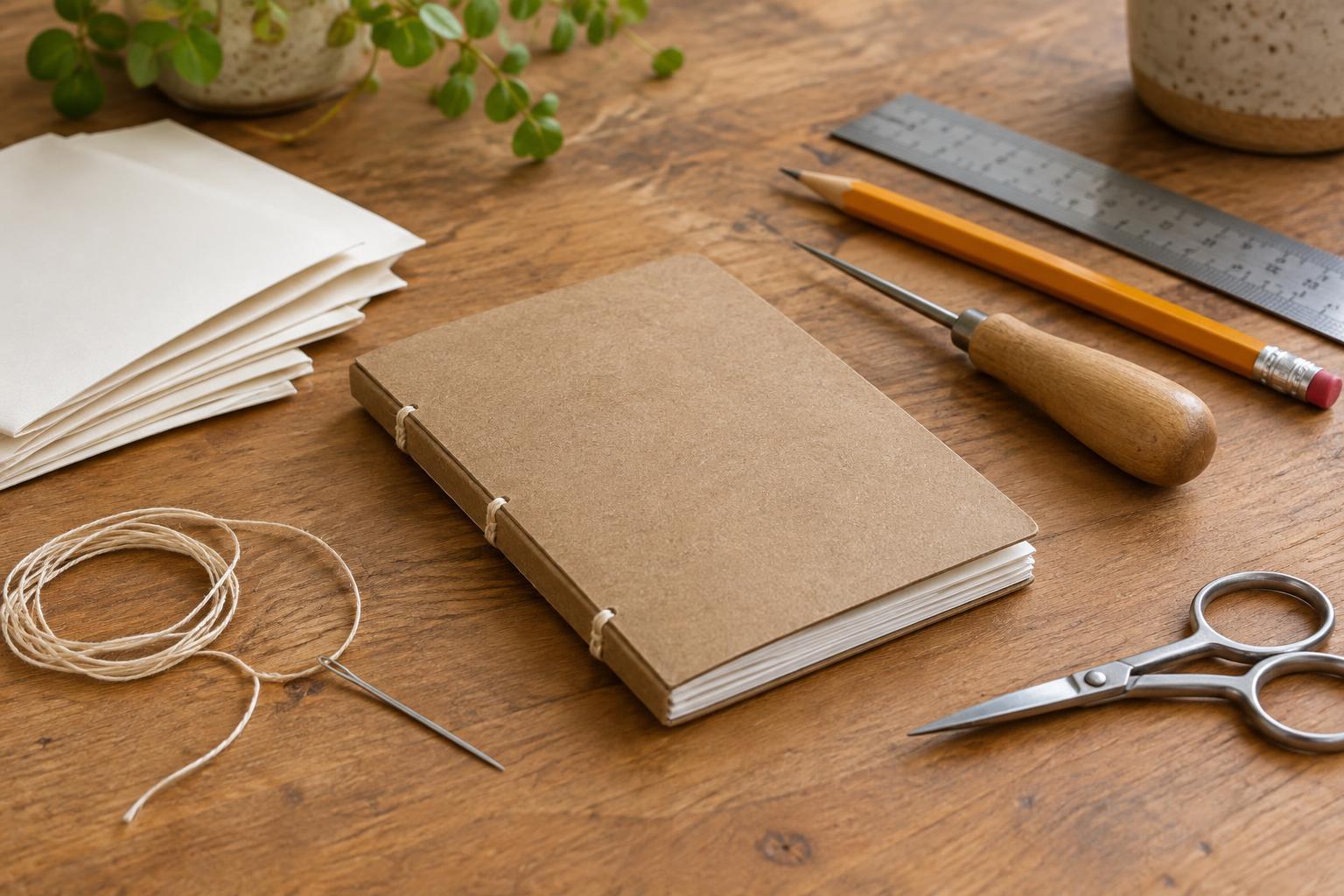
Begin by gathering supplies from one or two hobbies, rather than emptying every cupboard at once. Put related items together where you can see them. For each item, ask whether you use it regularly, need it for a project in progress, or want to keep it for a specific future use. Set aside anything broken, dried out, or missing an essential part. This first pass helps you work out how much storage you need before you choose a container.
Give each activity a home
Store supplies in groups that match how you use them. A board game can stay in its box, while its frequently misplaced score pad and pencils can go in a small pouch inside. Drawing materials might fit in one portable container, with paper stored flat nearby. If an activity needs several pieces to begin, keeping those pieces together can save you from searching across the room each time.
Choose storage based on the space you have, not on how a shelf looks in a picture. A reused box, jar, or zippered bag may work as well as a new organizer. Check that containers close securely, fit where you plan to keep them, and let you retrieve items without moving a large stack. Put supplies you reach for often at a comfortable height. Reserve less convenient spots for occasional activities or backups.
Label for the moment you need to put things away
A useful label answers a simple question: where does this go? Write the activity or contents in familiar terms, such as “card games,” “watercolor brushes,” or “spare puzzle pieces.” If a box holds several kinds of supplies, add smaller labels or use separate pouches inside it. Labels are especially helpful when friends or housemates help clear up, because they make the system understandable without an explanation.
Keep unfinished projects distinct from general supplies. A folder, tray, or lidded box can hold the current work along with the materials needed for its next step. Add a short note if you are likely to forget what you planned to do next. That makes it easier to clear a shared surface without losing your place, and easier to pick the project up again when you have a spare hour.
Make the system easy to maintain
Try your arrangement during an ordinary session before deciding it is finished. Can you take out what you need without unpacking several boxes? Can you put everything back in a few minutes? If not, simplify. Move a frequently used item closer, combine categories that are too narrow, or divide a crowded container. The best arrangement is one you will use when you are tired and ready to be done.
When you finish an activity, do a brief reset: return tools, close containers, and note anything that needs replacing or cleaning. Occasionally look through supplies that have built up, especially before bringing home more for a new project. You may discover that you already have what you need. The aim is not to keep every item in perfect order; it is to leave yourself a clear, welcoming starting point for the next time you want to play or make something.