Start with a small, clear invitation
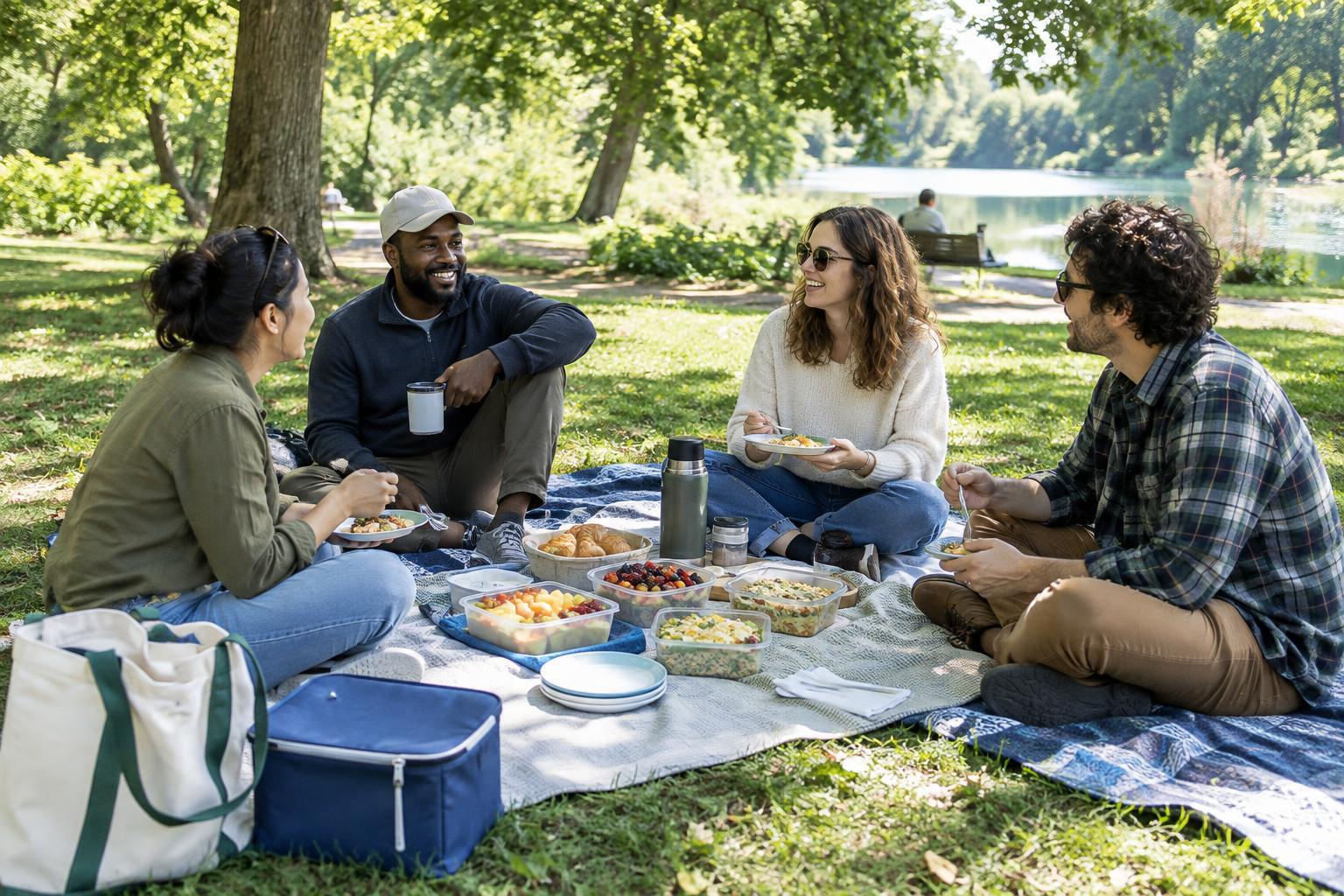
A park potluck brunch works best when it feels like an invitation to spend time together, not an event everyone has to prepare for. Pick a two-hour window rather than an open-ended day, and invite a group small enough to fit comfortably around one picnic blanket or table. Let people know the meeting point, whether there are seats and restrooms nearby, and if they will need to walk far from parking or transit.
Before settling on a spot, check the park’s posted rules. Some areas limit group size, reserve picnic tables or restrict glass containers. You do not need a perfect setting: a patch of shade with a convenient place to sit can be more enjoyable than a scenic corner that is difficult to reach. If your chosen table cannot be reserved, make a plan that also works on the grass.
Make sharing food easy, not mandatory
Ask each guest to bring one ready-to-share item if they can, and offer a few broad categories such as fruit, baked goods, savory bites or drinks. This gives the meal variety without assigning anyone an elaborate recipe. Tell people that store-bought food is welcome. If several guests bring the same thing, that is fine; brunch does not need a carefully balanced menu.
As host, cover a dependable base such as sandwiches or rolls and water. Ask guests to label dishes with major ingredients when practical, and encourage anyone with dietary restrictions to bring something they know they can eat. Choose foods that travel well and can be served without much assembly. Keep foods that require chilling in an insulated cooler, and avoid leaving perishable items out longer than you are comfortable serving them. Packing modest portions makes leftovers easier to handle.
Pack for comfort and a quick cleanup
Bring a blanket, a few reusable containers or plates, napkins, serving utensils and a bag for rubbish. A small cloth or towel is useful for wiping a damp table, while clips or a container with a lid can keep napkins from blowing away. If the group includes people who prefer chairs, mention available seating before the day rather than assuming everyone will be comfortable sitting on the ground.
Divide supplies only if it genuinely simplifies the plan. One person can bring cups and another can bring a cooler, but avoid turning the invitation into a long checklist of obligations. Pack everything in a way that you can carry from the park entrance in one trip if possible. Before leaving, check the area for small items such as bottle caps and food wrappers, and take any rubbish with you if the bins are full.
Give the gathering room to unfold
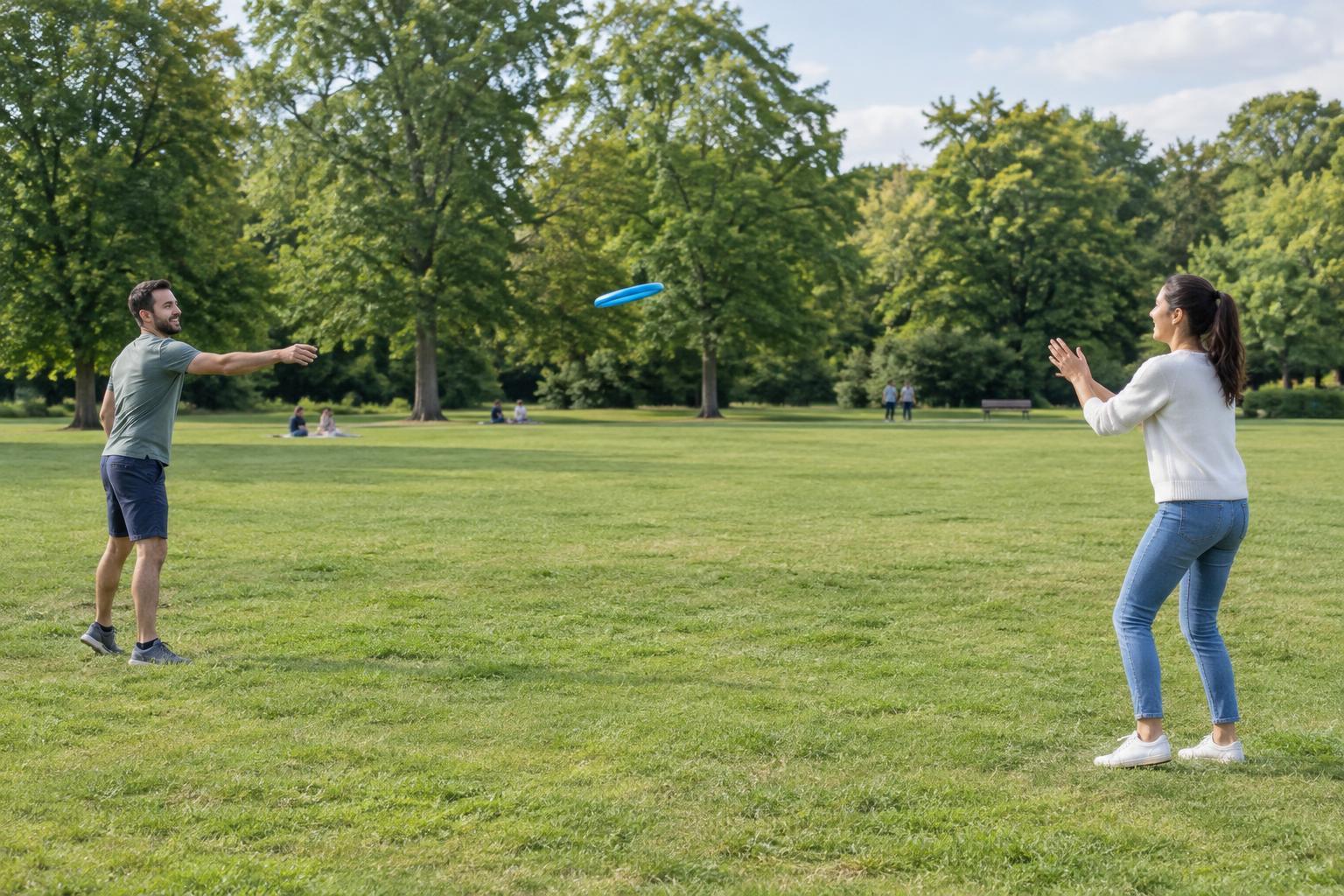
A potluck brunch does not need scheduled activities. Arrive a little early, set out the shared food and let people serve themselves as they settle in. Conversation, a short walk or a casual card game can fill the time naturally. If you bring a game, choose one that people can join or leave without interrupting everyone else.
Check the forecast before guests travel, and name a simple backup in the invitation: a nearby covered area if permitted, a host’s home or another day. A clear decision time prevents people from wondering whether to pack food in uncertain weather. Once everyone has eaten, leave time to divide leftovers and tidy up without a rush. The best measure of success is not how much food appeared on the blanket, but whether the gathering felt easy to join and pleasant to leave.