Start with what your weekend needs to do
It is easy to reach the weekend with two competing wishes: get things done and finally slow down. Instead of filling every open hour, take a few minutes to name what would make the weekend feel worthwhile. You might need clean clothes, a chance to see a friend and a quiet stretch at home. Those are different needs, and each deserves space.
Write down any fixed commitments first, such as a shift, an appointment or a family gathering. Then list the tasks that genuinely need attention before the next week begins. Keep this list short. A useful question is, “What would cause a problem if I left it until later?” That helps separate necessary errands from projects you would merely like to finish.
Put rest on the plan before the gaps disappear
Rest is easier to protect when it has a place in your plan. Choose at least one stretch of time when you are not expected to travel, host, complete chores or be productive. It could be a slow morning, an afternoon at home or an evening without plans. If your schedule is crowded, even a shorter protected period can give you something to look forward to.
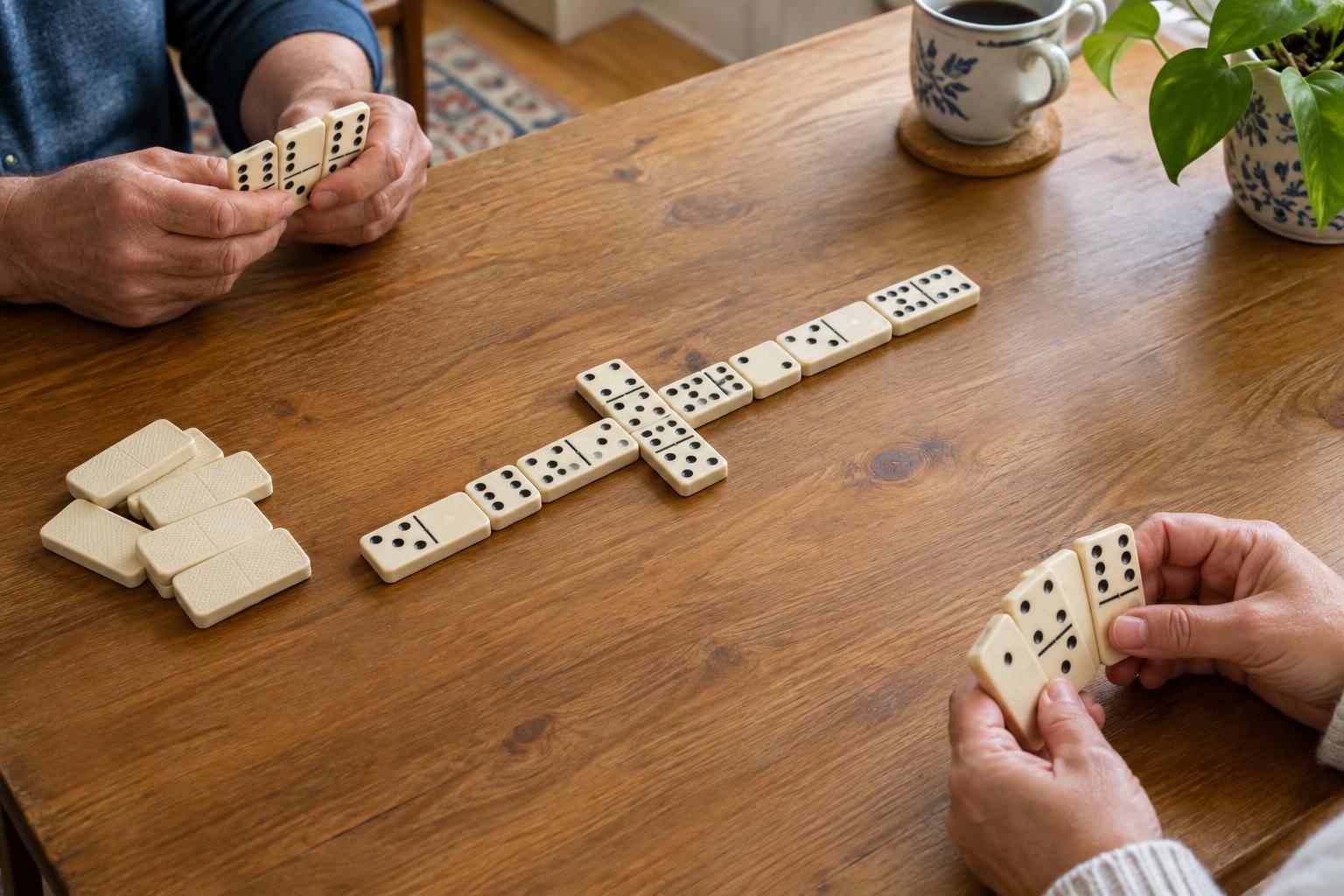
Think about what actually feels restorative to you. For one person, that may be reading or sitting quietly; for another, it may be a gentle walk or an easy game with a friend. Rest does not need to look impressive, and it does not have to earn its place by being useful later. Try not to make it a catch-all slot for anything that did not fit elsewhere.
Leave space around your plans, too. Travel, getting ready and tidying up all take time. If one activity ends just as another begins, a pleasant outing can start to feel like a race. A buffer gives you room to move at a comfortable pace or deal with a small delay.
Choose a few priorities, not a full itinerary
A weekend can hold an errand, a social plan and something enjoyable without needing a minute-by-minute schedule. Pick one or two priorities beyond your fixed commitments. You might decide that buying groceries and visiting a local park matter most. If you have more energy afterward, anything else is a bonus rather than a debt you owe the weekend.
Group practical tasks where it makes sense. If you need to go out for groceries, could you handle another nearby errand on the same trip? At home, a short period for laundry or basic cleaning may be easier to live with than a day devoted to catching up on everything. Stop when you have met your main need, even if there are still possible improvements.
Keep at least one low-effort option for fun. A borrowed book, a familiar board game or a walk close to home is easier to fit around changing energy than an outing that requires extensive preparation. Enjoyment counts even when it is simple.
Make social plans that leave room to breathe
Seeing people can be one of the best parts of a weekend, but several plans in a row may leave little time to recharge. Before saying yes, consider the whole commitment: travel, cost, preparation and the time you will want afterward. If the plan appeals to you but the timing does not, suggest a shorter visit or another weekend.
Clear invitations make planning easier for everyone. You could propose coffee for an hour, a walk in a nearby area or a game at home with a rough end time. A defined plan can feel more relaxed than leaving the whole day open, especially when people have different schedules or energy levels. You can also choose a quiet weekend without treating it as a failed social opportunity.
Leave the plan flexible and end gently
Treat your weekend plan as a guide, not a test. Weather, energy and unexpected responsibilities can change what is realistic. If you need more rest, move a nonessential task or simplify an outing. If you feel ready to do more, choose something because you want to, not because an open hour must be filled.
Before the weekend ends, a small reset may make the next morning easier. Put away what you used, check what is coming up and prepare one or two things you know you will need. Give that reset a reasonable stopping point so it does not consume your remaining time off. The aim is not a perfectly optimized weekend; it is one that has room for both your responsibilities and your life.