Prepare before you head outside
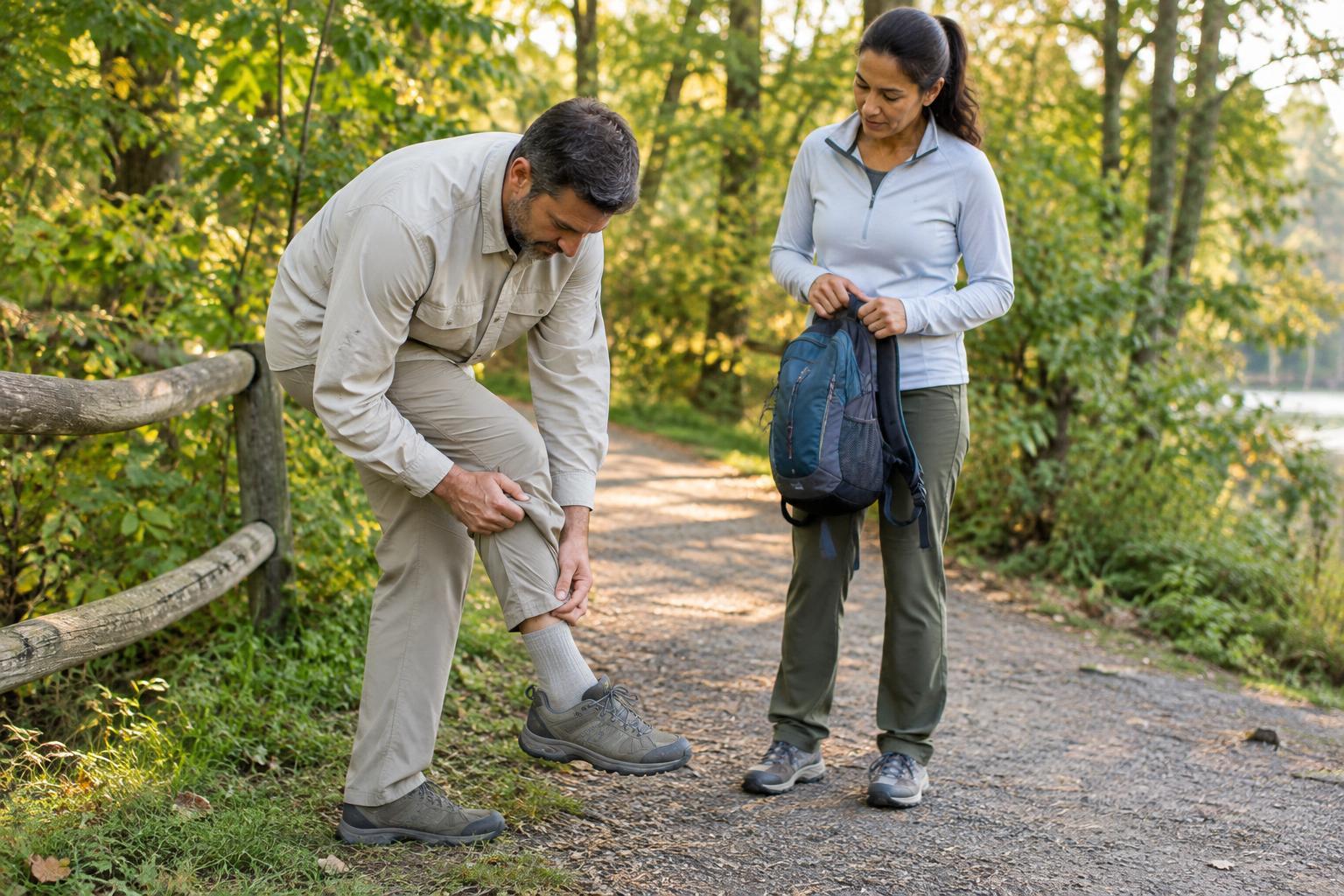
You do not need to turn a casual outing into an expedition to lower your chances of bug bites. Start with clothes that suit the weather and the place. Long sleeves, long trousers and closed shoes put a barrier between your skin and insects, especially if you expect to brush against tall grass or vegetation. Light-coloured clothing can make a crawling tick easier to spot.
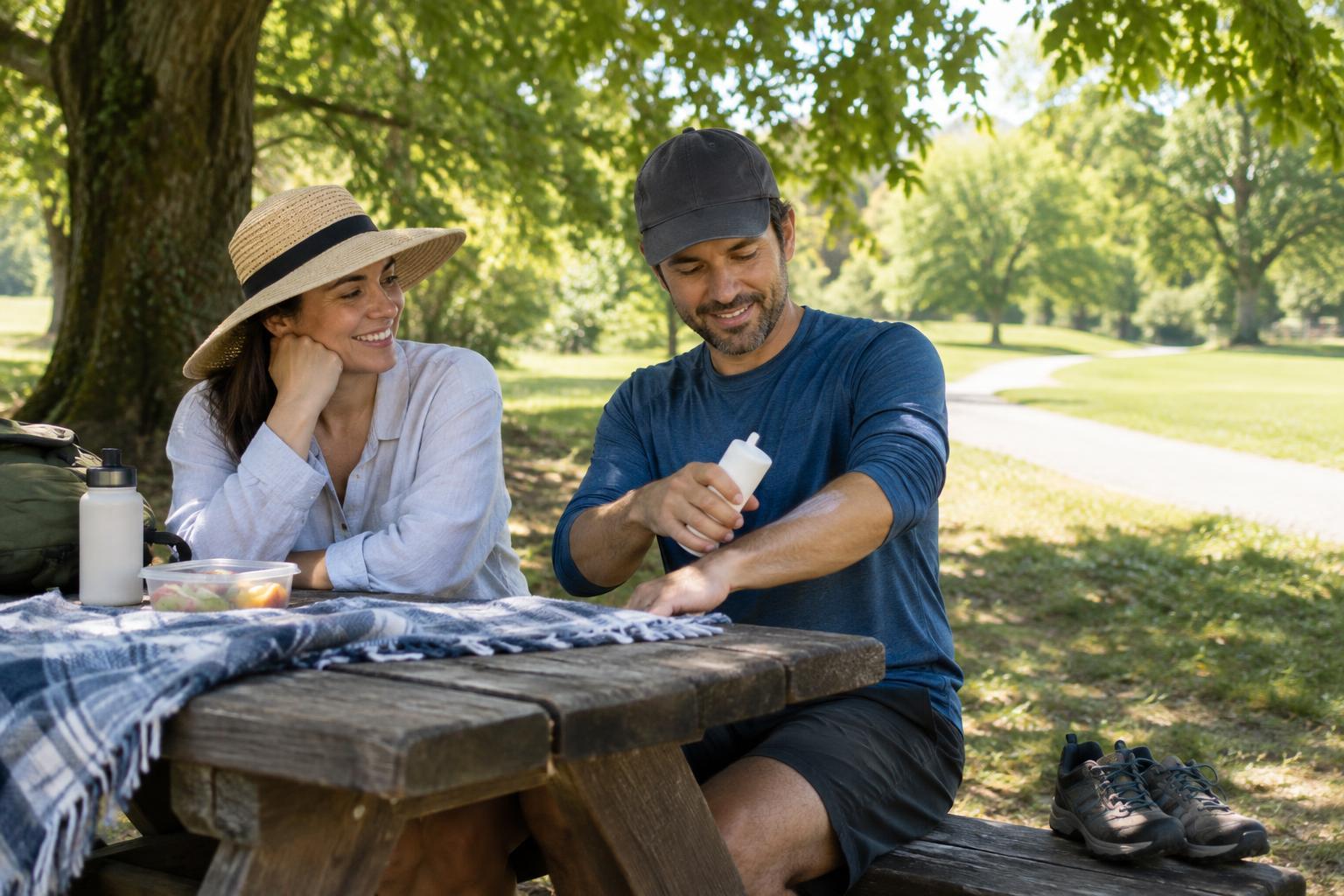
If you plan to use an insect repellent, choose one labelled for the insects you are concerned about and follow its directions. Check where it can be applied, how often it can be reapplied and whether it is suitable for anyone joining you. Some products are intended for skin, while others are intended for clothing or gear; they are not interchangeable. Pack the repellent where you can reach it rather than leaving it at home because the outing seems short.
Make small adjustments while you are out
Where you spend your time can matter as much as what you wear. On a walk, staying near the centre of a clear path may help you avoid brushing against plants where ticks can be encountered. For a picnic, choose a maintained open area instead of settling into tall grass or dense undergrowth. These choices do not eliminate bites, but they are easy to build into a pleasant day.
Flying insects can be a nuisance in many outdoor settings. If they gather around your seating area, try moving to a breezier spot or using a physical barrier such as a screened space. Check that windows and doors close properly if your outing continues onto a porch or into a cabin. Give children a quick reminder not to handle unfamiliar insects, and keep a little space between snacks, drinks and any insects attracted to them.
Build a tick check into your return home
A tick can be small and easy to miss, so make a check part of your routine after time in grass, brush or wooded areas. Look over your clothing and gear before carrying them through the house. Check pets that accompanied you, too; an animal may bring a tick indoors even if you did not notice one outside. Follow your veterinarian’s guidance on tick prevention for pets rather than using a human product on them.
Next, check your skin in good light. Look at your legs and ankles, then less visible places such as behind your knees, around your waist, under your arms, behind your ears and along your hairline. A hand mirror or help from someone you trust can make it easier to see your back and scalp. If you are checking a child, explain what you are doing and keep the process calm and matter-of-fact.
A shower can be a convenient time to do this check, but washing is not a substitute for looking closely. Change out of your outing clothes and inspect them before laundering. Follow garment-care instructions when washing or drying; do not assume one quick wash has removed every tick. The goal is a repeatable routine you will actually use, not a perfect checklist that feels too difficult after a long day.
If you find a tick, act promptly and gently
If a tick is attached to your skin, use fine-tipped tweezers to grasp it as close to the skin as you can. Pull upward with steady, even pressure. Avoid twisting, squeezing its body or trying to make it detach with heat, oil or other substances. Once it is removed, clean the bite area and your hands. If a small part remains and you cannot remove it easily, do not dig into your skin; ask a healthcare professional for guidance.
Make a note of when and where you may have picked up the tick, then pay attention to how you feel. Not every bite leads to illness, but a spreading rash, fever or other concerning symptoms after a tick bite are reasons to contact a healthcare professional. Seek advice as well if you are unsure how to remove an attached tick or have questions about your particular risk.
Keep the routine simple enough to repeat
The best approach is one that fits the outing. For a neighbourhood stroll, that might mean repellent when appropriate and a quick check afterward. For a longer trip through brush, it might mean more protective clothing, a place to change when you return and extra time for a thorough check. Put a mirror and tweezers somewhere easy to find so you are not searching for them later.
Bug-bite prevention cannot guarantee a bite-free day. It can, however, help you spend less time worrying and more time enjoying the walk, garden visit or picnic you planned. Prepare for the setting, notice where you sit and walk, and make the after-outing check as ordinary as putting away your shoes.