Make sun protection part of the outing
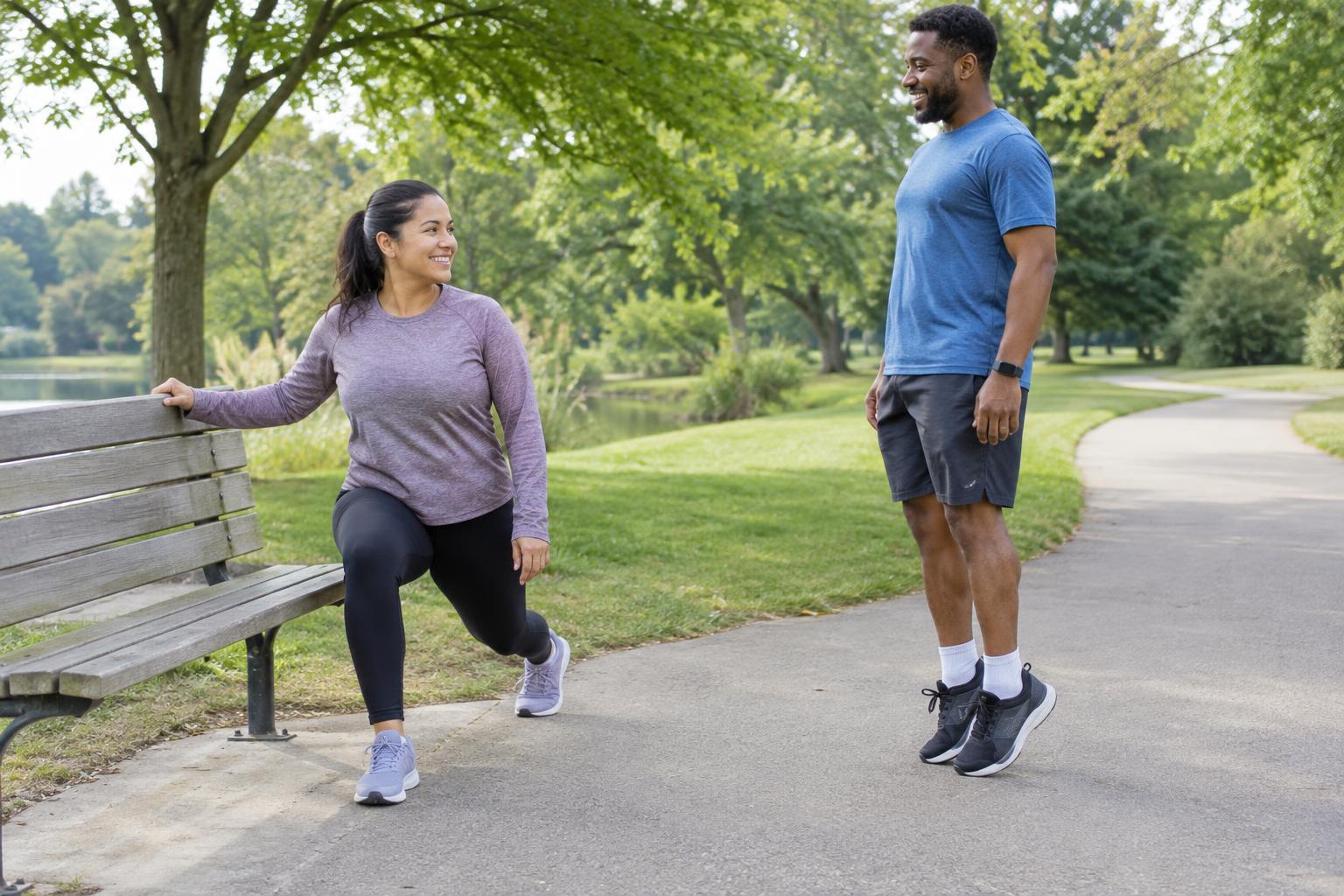
Whether you are meeting friends for a park game or heading out for a long walk, sun protection is easier when it is part of the plan rather than an afterthought. Think about where you will spend your time, how long you expect to be outside, and whether you will have somewhere to cool off. No single measure covers every situation: shade moves, clothing leaves some skin exposed, and sunscreen can wear off. Using them together gives you more options as the day changes.
Do not rely on how warm it feels to judge sun exposure. Bright or overcast days can both call for protection, and water, sand, and pale surfaces may reflect sunlight. If your plans are flexible, you can also choose a route with tree cover or arrange breaks indoors. A little planning makes it easier to enjoy the activity instead of spending the whole time looking for relief.
Use shade as a place to pause
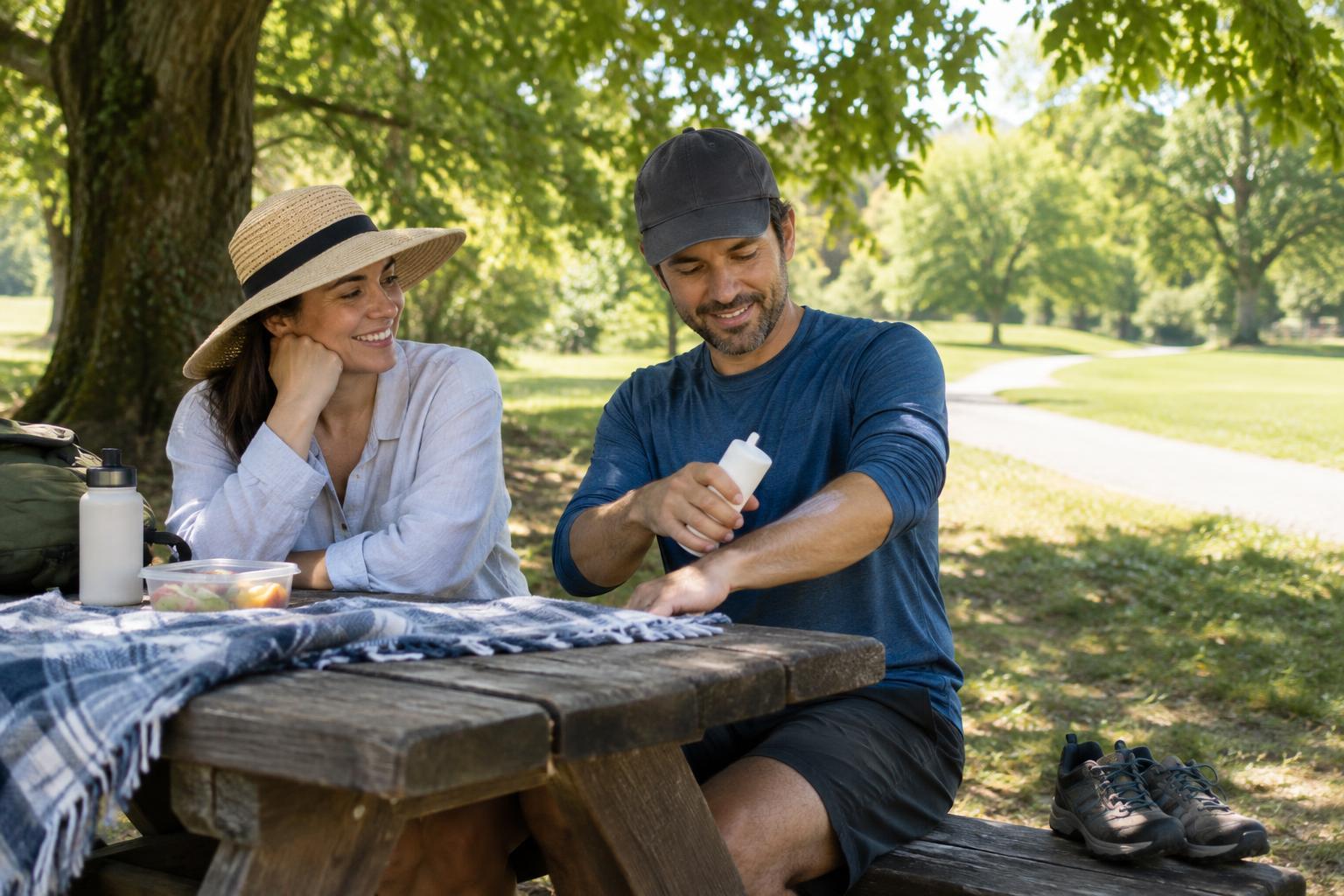
Shade is especially useful for activities that naturally include breaks. Put a picnic blanket beneath a tree, choose a shaded bench for a rest, or set up a portable canopy if the location permits it. When organizing a casual game, make the shaded area the place for water, bags, and anyone waiting for a turn. That gives everyone a reason to step out of direct sunlight regularly.
Check the shade before settling in. A small patch may shift away from your group, and gaps in leaves can let sunlight through. A canopy or umbrella can help, but it may not block light arriving from the side or reflected off nearby surfaces. Treat shade as a helpful layer of protection, not a reason to leave your hat or sunscreen behind.
Choose clothing you will actually wear
Comfortable coverage can reduce how much exposed skin you need to manage. A lightweight long-sleeved shirt, longer shorts or trousers, and a wide-brimmed hat are useful starting points. Look for fabrics that are not see-through when held up to the light; tightly woven materials generally offer more coverage than loose, sheer ones. Some garments are labeled with an ultraviolet protection factor, or UPF, which can make choosing dedicated outdoor clothing simpler.
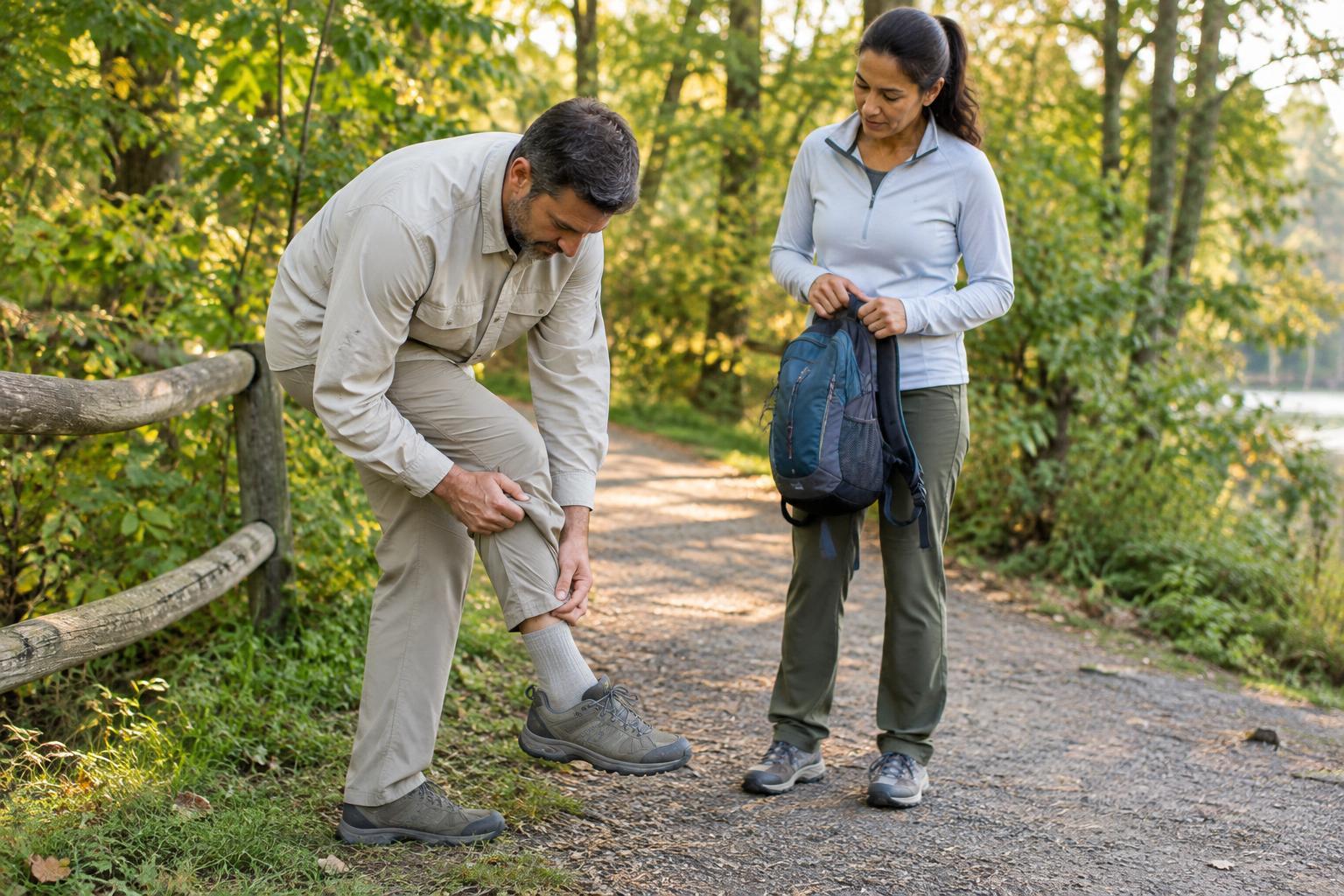
The best outfit is one that suits your activity. Loose layers may feel more comfortable on a relaxed walk, while a secure hat is less likely to fly off during a game. Sunglasses labeled for UV protection can help protect your eyes, and a brim can shade your face and neck. Keep a spare layer handy if you expect to move between sun and shade or stay out longer than planned.
Apply sunscreen with the outing in mind
Use sunscreen on skin your clothing does not cover, including easy-to-miss areas such as ears, the back of the neck, and the tops of feet in sandals. For general outdoor use, a broad-spectrum sunscreen with SPF 30 or higher is a practical choice. Apply it generously and follow the product directions for when to put it on and when to reapply. If you swim, sweat, or towel off, check the label for water-resistance information and reapplication guidance.
Make sunscreen easy to remember by keeping it with the things you already take outside, such as your water bottle or picnic kit. If you are going with friends, agree on a quick break to reapply rather than waiting until someone notices a burn. Sunscreen is useful for all skin tones, though individual skin responses vary. If a product irritates your skin, consider trying a different formulation and ask a qualified professional for personal guidance.
Build a repeatable outdoor routine
A simple routine works better than a complicated checklist you will ignore. Before leaving, choose a comfortable outfit, pack sunscreen, and identify one or two places you could take a shaded break. Once outside, pay attention to whether your shade has moved, whether exposed skin needs more sunscreen, and whether everyone wants a pause. For a longer outing, keep supplies where you can reach them rather than at the bottom of a bag.
You do not need to turn a pleasant afternoon into a project. The goal is to make shade, clothing, and sunscreen ordinary parts of going outside, much like bringing water or wearing suitable shoes. With those basics handled, you can focus on the walk, game, or conversation you came for.