Choose a place that suits your afternoon
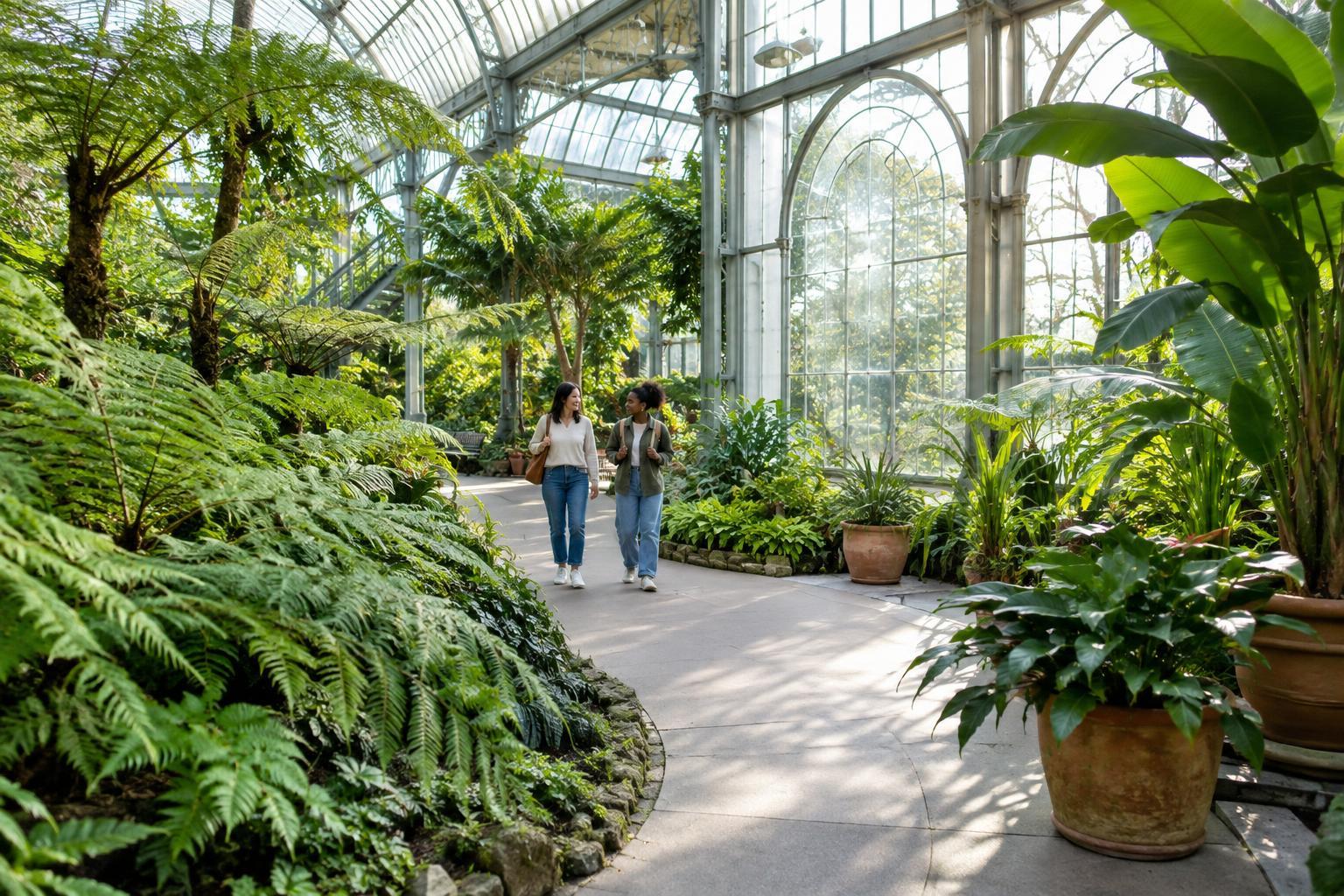
Start with the kind of visit you want. An outdoor public garden may offer room to wander, sit, and notice how different areas feel. A conservatory can be a good choice when you would rather explore sheltered spaces, though its rooms may feel warm or humid. You do not need to see everything: even one path, one greenhouse room, or one comfortable bench can make the trip worthwhile.
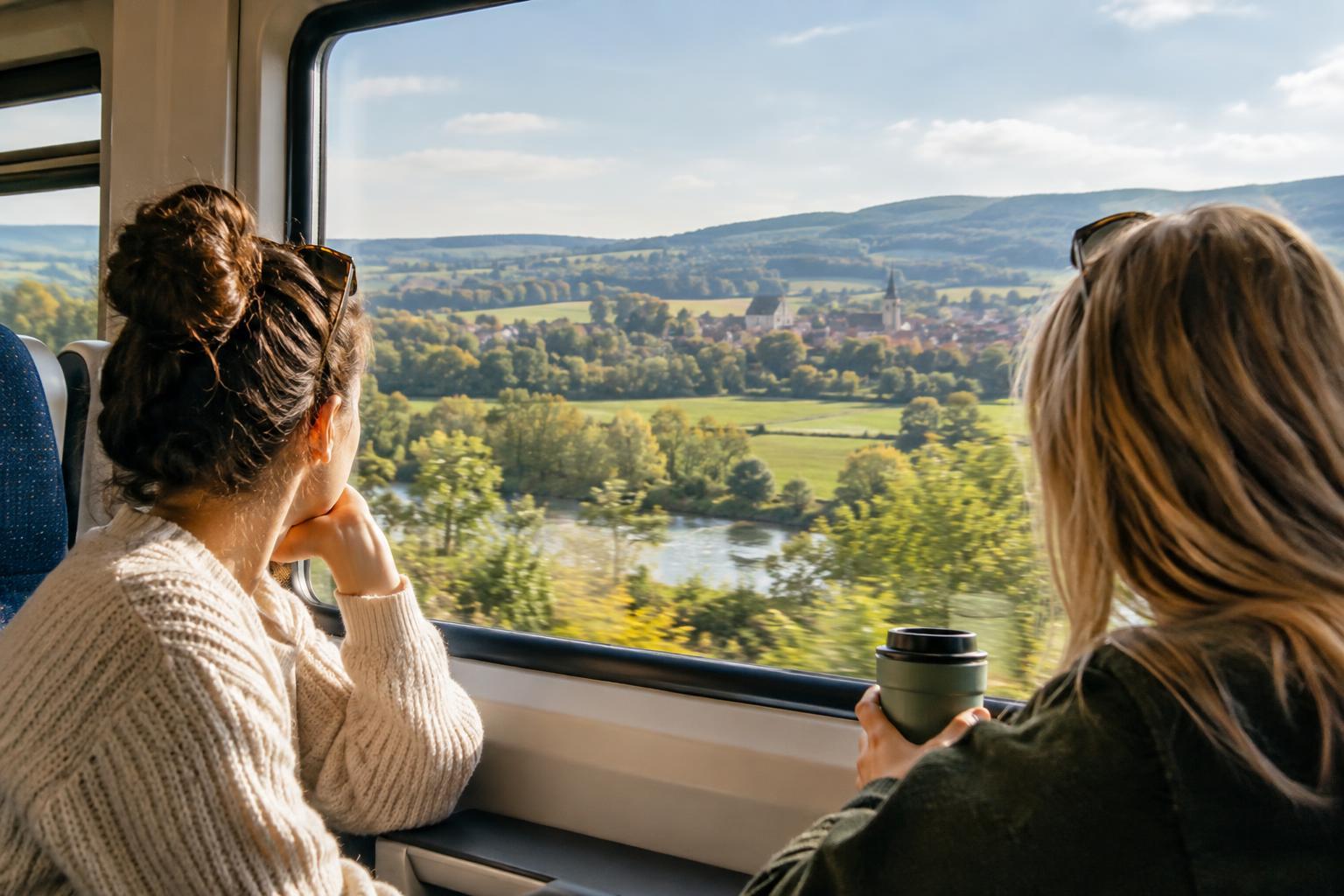
Before leaving, check the venue’s visitor information for opening hours, admission, any timed-entry requirements, and rules about food or photography. If cost matters, compare nearby options and look for clearly listed discounts or free-entry times rather than assuming they are available. It is also worth checking the route there, particularly if you plan to arrive by public transit or need accessible entrances and paths.
Pack lightly, but plan for comfort
Comfortable shoes are useful even for a short visit, since paths can be longer or less even than they appear on a map. For an outdoor garden, bring a layer suited to the forecast and consider sun or rain protection. A water bottle is handy where permitted; some venues restrict drinks in particular rooms, so follow posted guidance.
Keep the rest simple. A small notebook can hold sketches, plant names, or impressions you want to remember. A phone can serve as a camera and map, but it does not have to become the focus of the outing. If you are visiting with someone else, agree on a rough time to leave and whether you would both prefer a slow stroll, a conversation, or a little quiet time.
Give your visit a loose shape
When you arrive, take a moment to look at the map rather than heading straight for the first path. Pick one area that interests you, one possible place to pause, and an optional second stop. That gives the afternoon a direction without turning it into a checklist. In a conservatory, you might move between rooms with different growing conditions; outdoors, you might follow a loop that brings you back near the entrance.
Try alternating movement with pauses. Walk until something catches your attention, then stay long enough to notice details: the shape of a leaf, a shadow across a path, or the way a planting frames a view. Read labels when you are curious, not because you feel obliged to study every display. If the garden is busy, a less prominent path or a later bench may offer more room to settle in.
Add one small activity
A simple prompt can make the visit feel more personal. Choose a color and notice how often it appears, sketch the outline of a plant, or take three photographs that show different textures. You could also write down a few ideas for plants you would like to learn about later. There is no need to identify everything on the spot; paying attention is enough.
With a friend, try sharing one favorite sight at the end of each area rather than narrating every step. If you are visiting alone, use a bench break to jot down what surprised you. Keep any activity respectful of the space: stay on permitted paths, leave plants and displays undisturbed, and check the venue’s rules before using equipment such as a tripod.
End before the outing feels like a chore
Leave time to retrace your route, visit a restroom, or sit for a final few minutes. If there is a café or shop, treat it as an option rather than a necessary part of the day; bringing a snack for afterward can help keep the outing affordable, provided you follow the venue’s food rules. A nearby walk or a drink with a friend can extend the afternoon if you still have energy.
On the way home, think about which part you enjoyed most. You may find that you prefer open lawns to greenhouse rooms, guided signs to aimless wandering, or short visits to ambitious ones. That small bit of knowledge makes the next garden afternoon easier to plan—and gives you a pleasant reason to return without trying to repeat the whole day.