Let the journey be the main event
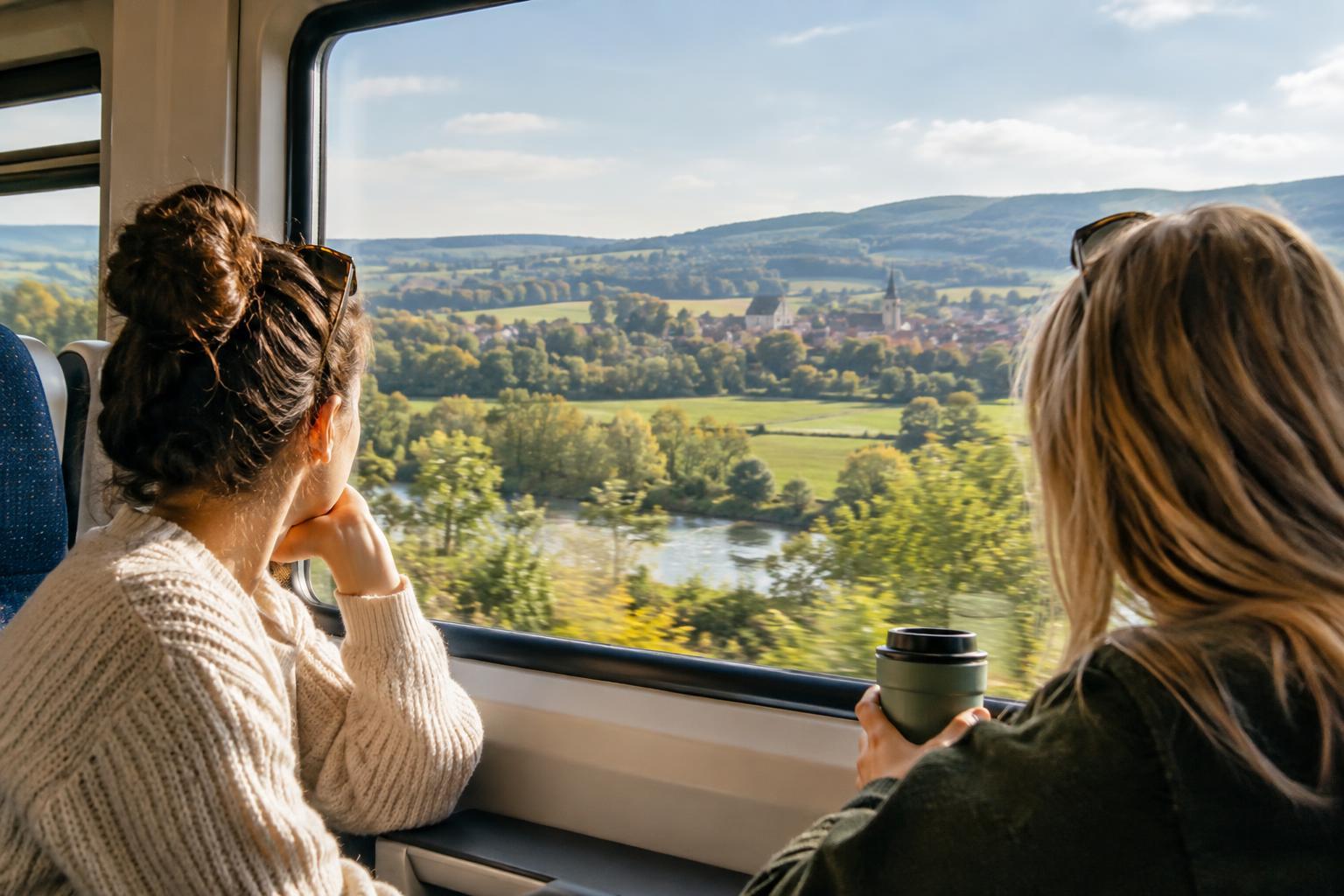
A day trip does not need an expensive attraction at the other end. A train ride past water, hills, fields or interesting neighborhoods can provide much of the enjoyment itself. You get time to look out the window, talk with a friend or simply enjoy being somewhere different without having to drive.
Start by choosing how much time you want to spend away from home. For an easy outing, look for a destination that leaves room for a short walk and an unhurried return. If most of the day would be spent making connections, consider a closer stop instead. A modest trip that feels relaxed is often more satisfying than an ambitious one spent watching the clock.
Choose a route that suits your budget
Look at routes you can reach from a convenient station, then compare the total cost of a return journey rather than the price of a single ticket. Check whether your preferred train requires a reservation and whether a different departure time or ordinary service would cost less. If you have a travel pass or discount you are eligible to use, check its conditions before relying on it.
Scenery does not have to mean a famous route. A local line may pass through countryside, run alongside a river or offer a fresh view of a familiar town. Station maps and route descriptions can help you choose a stretch that sounds appealing. Keep connections simple, especially if this is your first trip on the line; fewer transfers usually mean more time to enjoy the ride.
Before buying tickets, check the latest timetable, return options and any planned service changes with the operator. Leave a comfortable gap before the last train you could take home. That way, a delayed lunch or an unexpectedly good walk will not turn the day into a rush.
Give the destination one simple purpose
Pick one affordable thing to do after you arrive: walk a public trail, explore the town center, visit a market or bring a sketchbook to a park. One clear plan gives the outing shape without making you pay for several activities. Check opening hours if the day depends on a particular place, and have an easy alternative, such as a self-guided walk.
A short loop from the station is especially useful. It limits extra transport costs and makes it easier to judge when to head back. Before setting off, look at the distance, terrain and whether the route suits everyone in your group. If step-free access matters, confirm the facilities at both stations and on the trains you intend to use; accessibility can vary between services.
You can also make the ride a small shared project. Agree to spot unusual buildings, take photos through the window when conditions allow, or each choose a favorite view. Keep cameras and bags out of other passengers’ way, and remember that looking is enough. The point is to notice the journey, not to come home with a perfect record of it.
Pack for comfort, not for an expedition
Bringing water and a simple lunch or snack can keep spending predictable, particularly when food choices near the station are limited. Check the operator’s rules if you plan to eat on board, and pack anything messy so it stays contained. A light bag is easier to carry during a walk, so take what you are likely to use: a layer for changing weather, comfortable shoes, a charged phone and any tickets or identification required for your fare.
Decide in advance what you are happy to buy along the way. A drink or bakery stop can be part of the pleasure of a day out; it just helps to choose it deliberately rather than because everyone is hungry and unprepared. If you are traveling with friends, agree on a rough spending limit before someone suggests a costly detour.
Build in room to linger
The best part of a scenic train day may be the stretch you did not schedule: a bench with a good view, a quiet side street or the light changing on the return trip. Give yourselves enough time to pause without missing the train. Save your return details somewhere you can access without a strong signal, and note an earlier departure in case the weather turns.
Keep the plan flexible if conditions change. A rainy day might call for a shorter walk and more time in a sheltered spot; a busy train might make conversation and people-watching more appealing than photography. With fares checked and a simple route in mind, you can let the day unfold. The ride is already an outing, and everything else is a bonus.