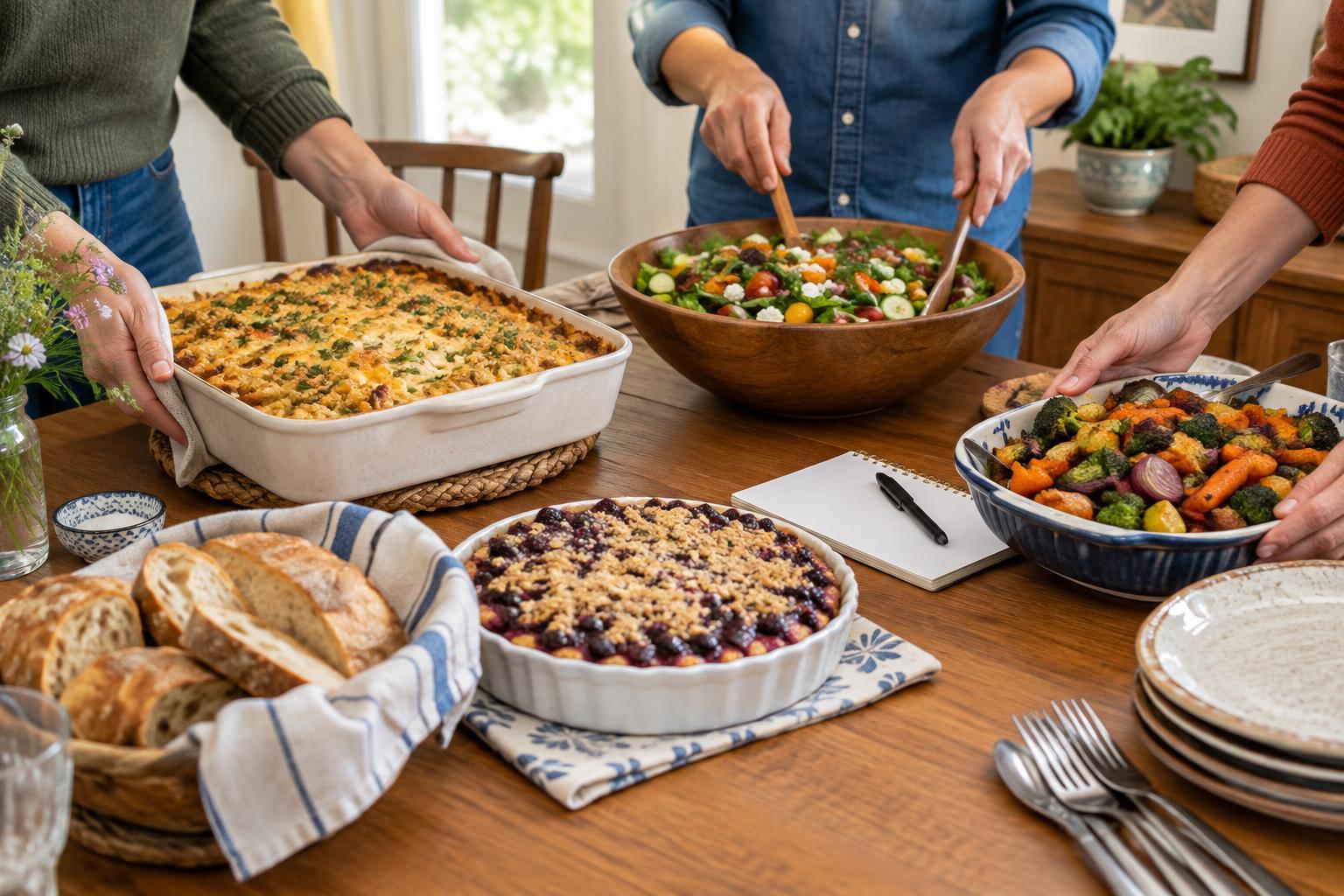
Everyday SkillsA shared outing is easier to enjoy when everyone knows what they are paying for. Use a simple plan for setting expectations, dividing common expenses, handling extras and settling up without awkwardness.
Read article · 4 min↗
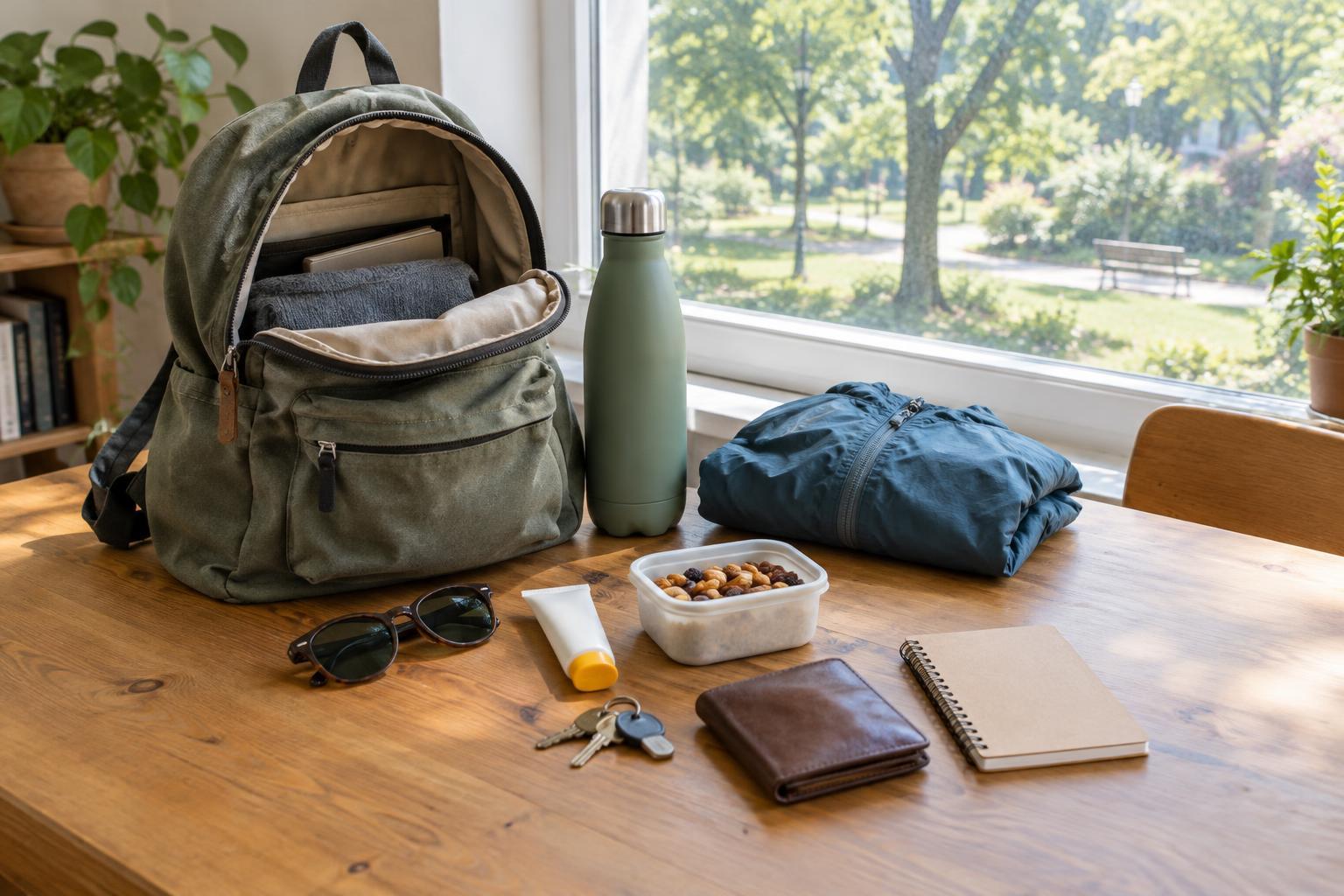
Everyday SkillsA well-packed day bag makes a park visit, museum trip or afternoon across town easier without weighing you down. Use this flexible checklist to cover the essentials, then adjust it for your plans and the weather.
Read article · 4 min↗
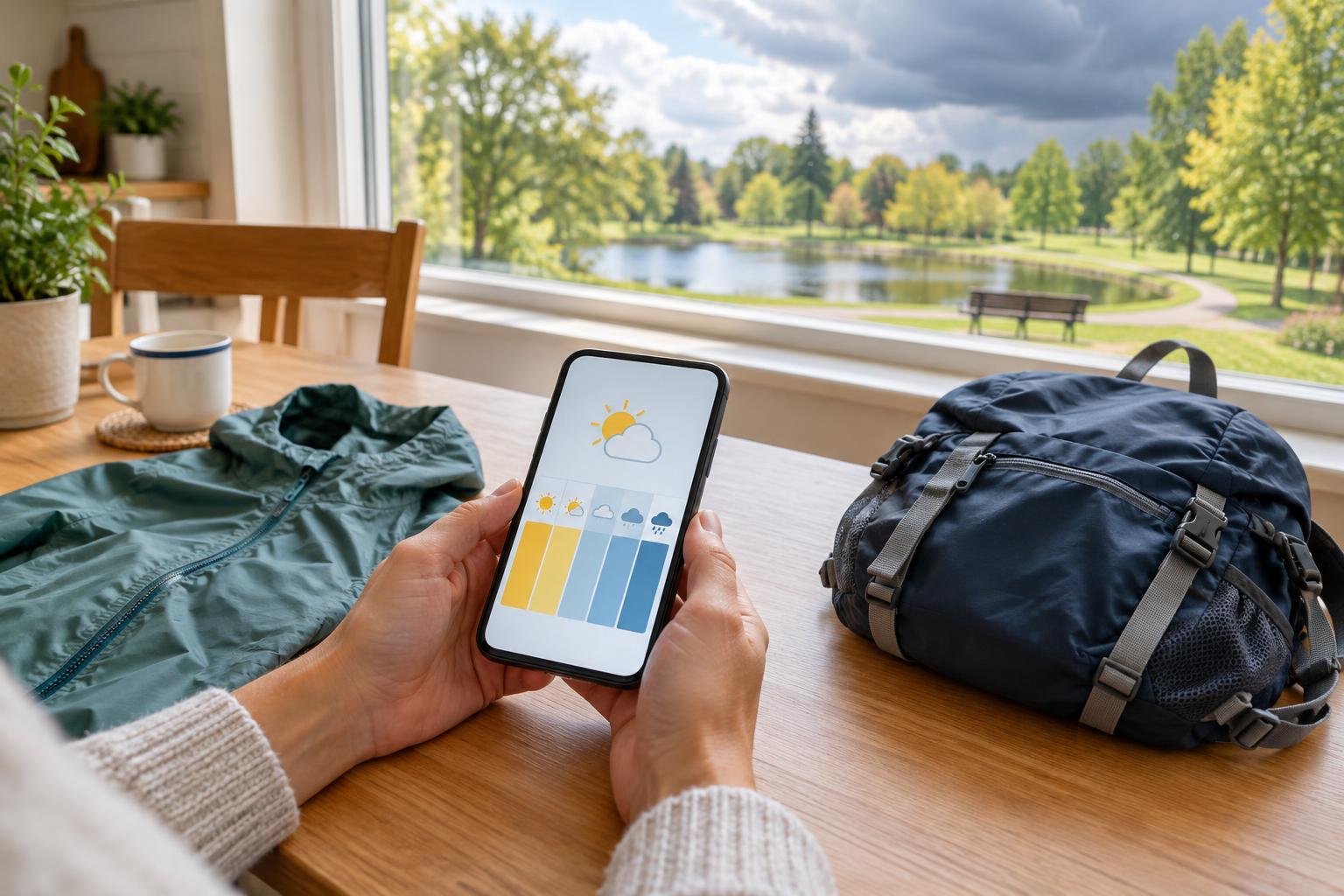
Everyday SkillsA quick look at the weather icon rarely tells the whole story. Learn how to check timing, rain chances, wind, temperature and local alerts so you can choose a comfortable plan—and a sensible backup.
Read article · 4 min↗

Everyday SkillsA paper map can help you plan an enjoyable walk and find your way without relying on a phone signal. Learn how to read the scale and symbols, choose a manageable route, and check your position as you go.
Read article · 4 min↗

Everyday SkillsA timetable can turn an unfamiliar route into a manageable plan. Learn how to find the right direction, read stop times, check service notes, plan a connection and leave yourself a comfortable way home.
Read article · 4 min↗
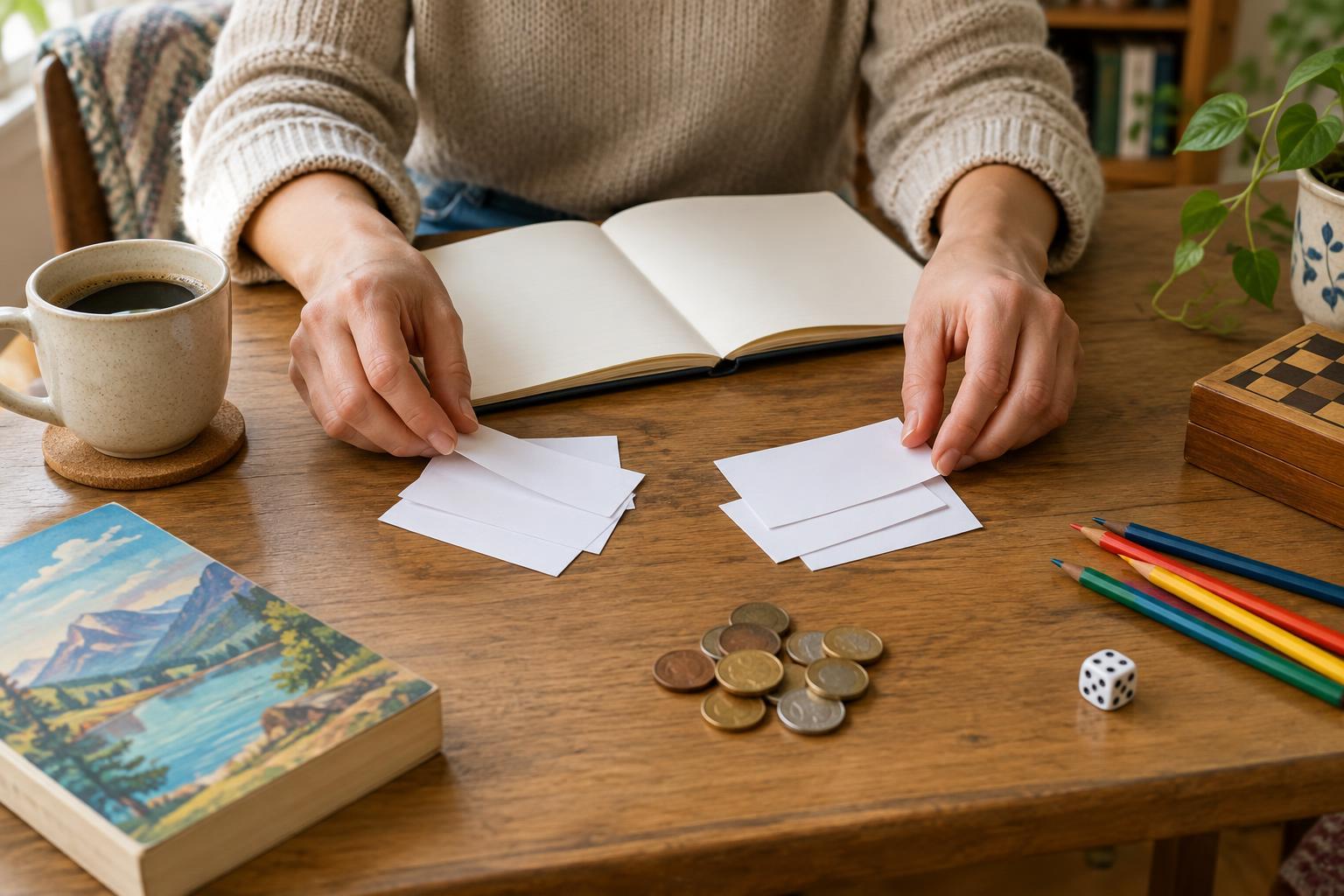
Everyday SkillsA leisure budget can make room for both planned activities and the little treats that make a week more enjoyable. Use this simple approach to set a comfortable amount, sort your ideas by cost, and keep a flexible allowance for spontaneous plans.
Read article · 3 min↗
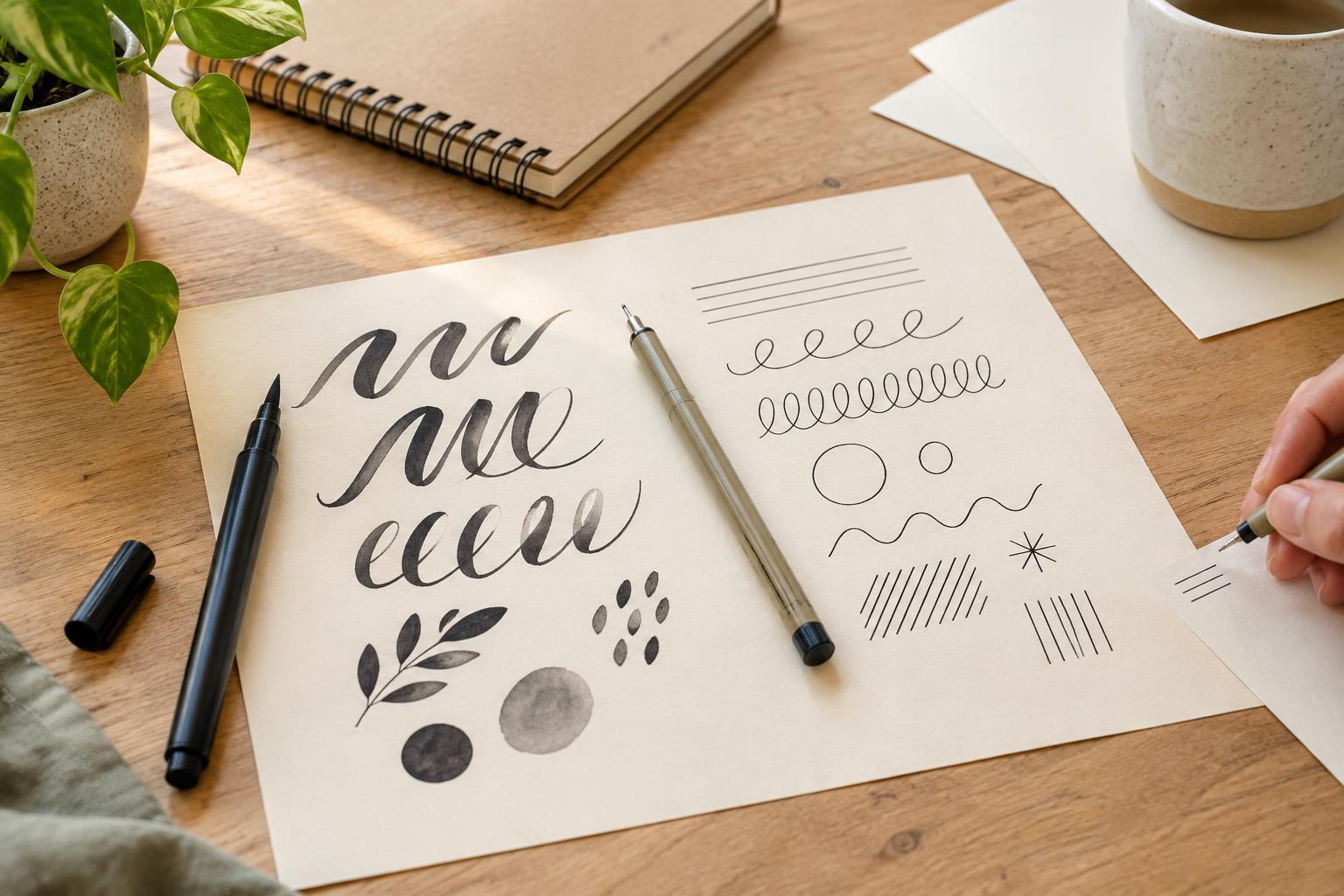
Creative HobbiesYou can start hand lettering with either a flexible brush pen or a steady fineliner. Learn how each tool behaves, what paper to use, and which simple exercises will help you decide what feels right.
Read article · 4 min↗
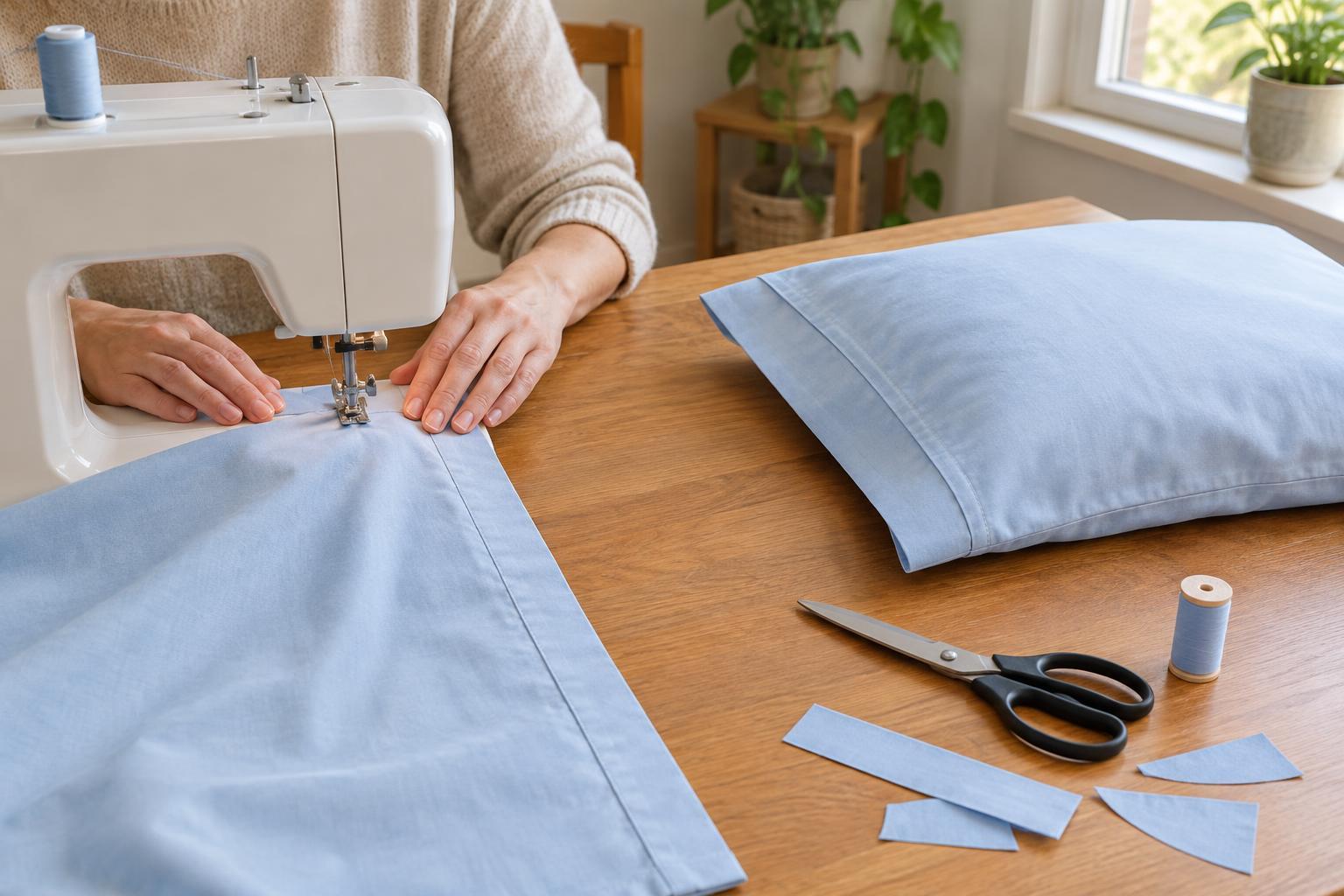
Creative HobbiesA pillowcase is a useful first sewing project: it has straight seams, a simple hem, and room to practice using a machine. Learn how to size and cut two panels, thread the machine, sew the case, and troubleshoot common snags.
Read article · 4 min↗
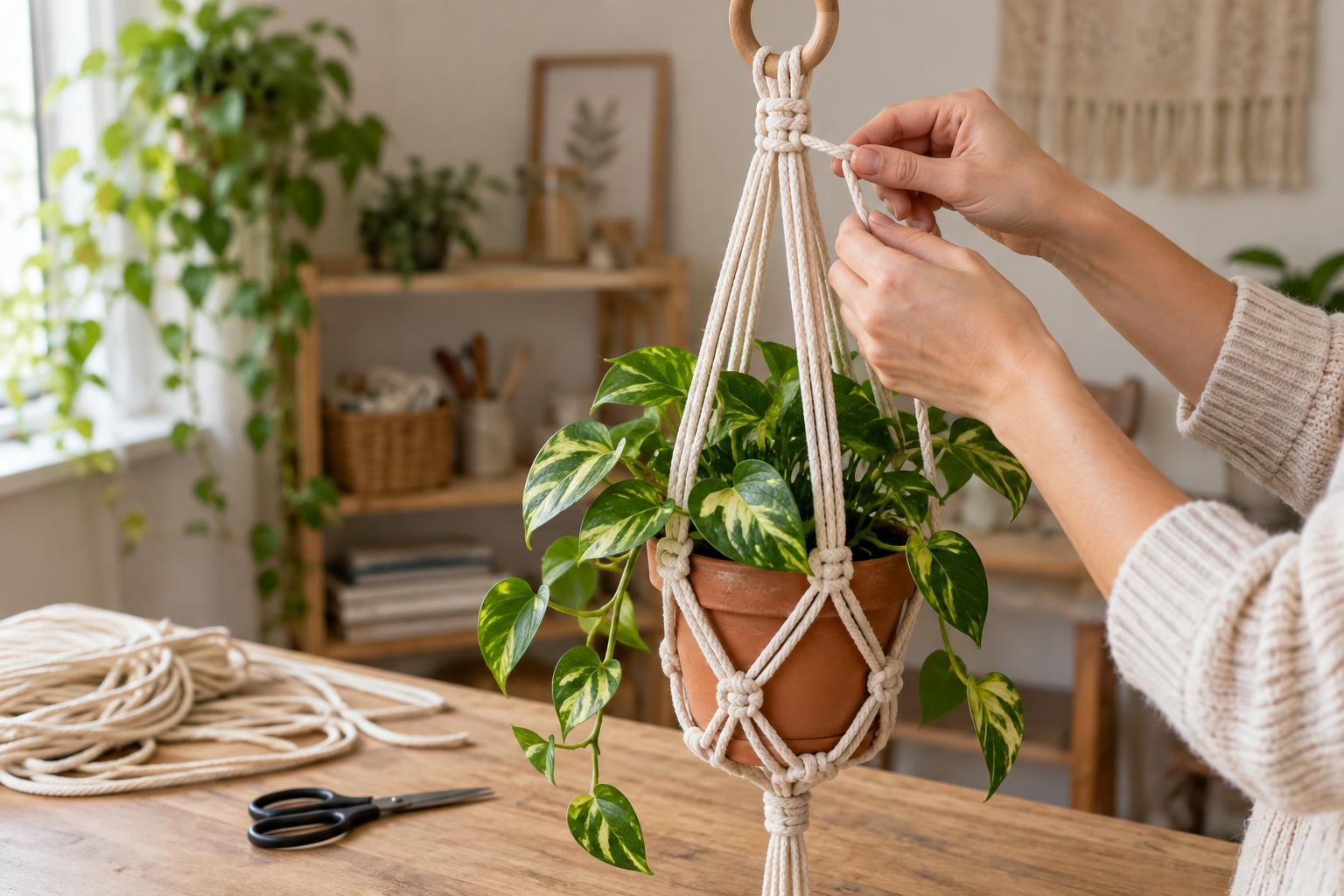
Creative HobbiesMake a plant hanger from four lengths of cord using lark’s head, square and overhand knots. This beginner project creates a basket for a small pot without a complicated pattern.
Read article · 4 min↗
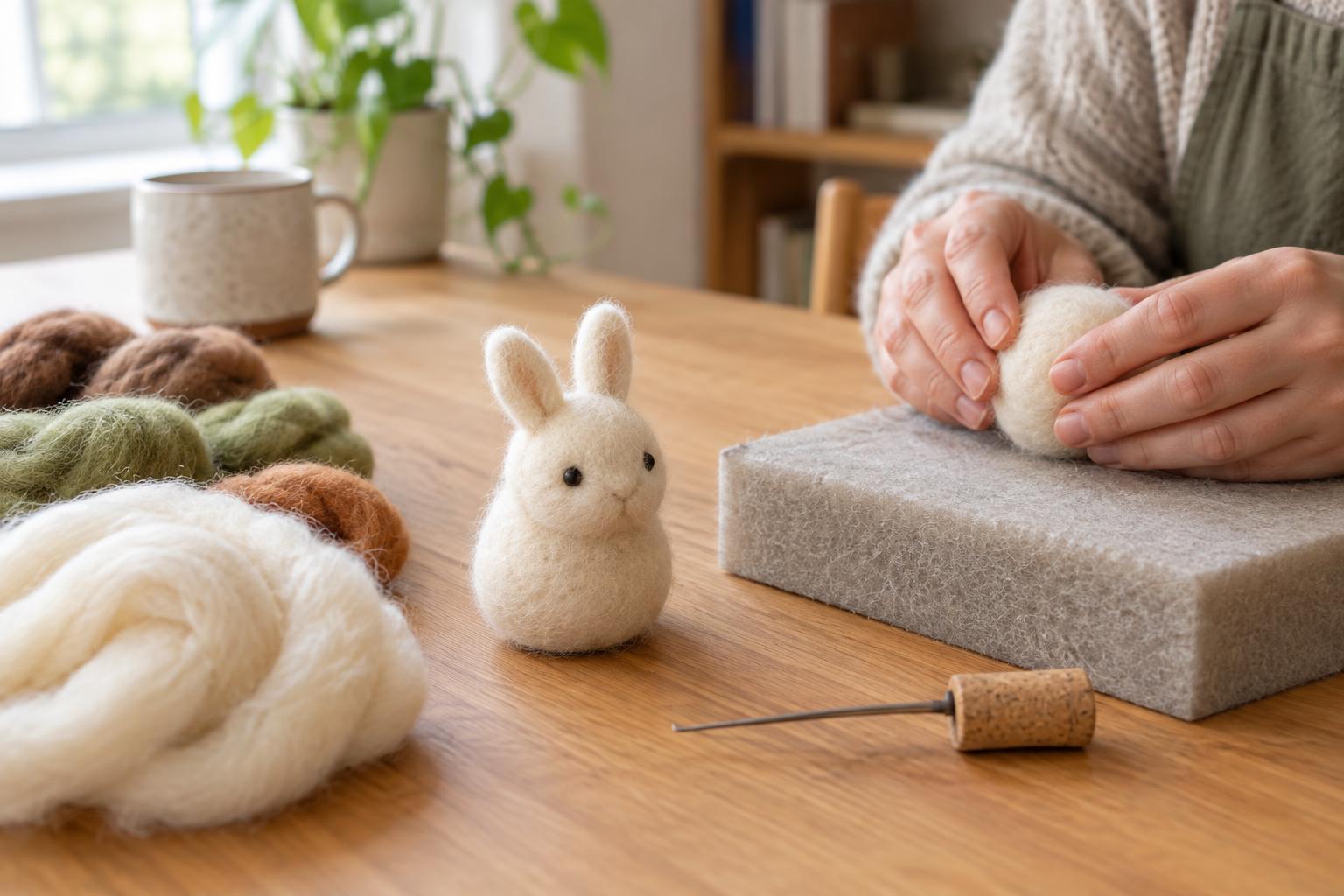
Creative HobbiesTurn a handful of wool into a simple palm-sized figure. This beginner guide covers a short supply list, a safe workspace, basic shaping and small finishing details.
Read article · 4 min↗
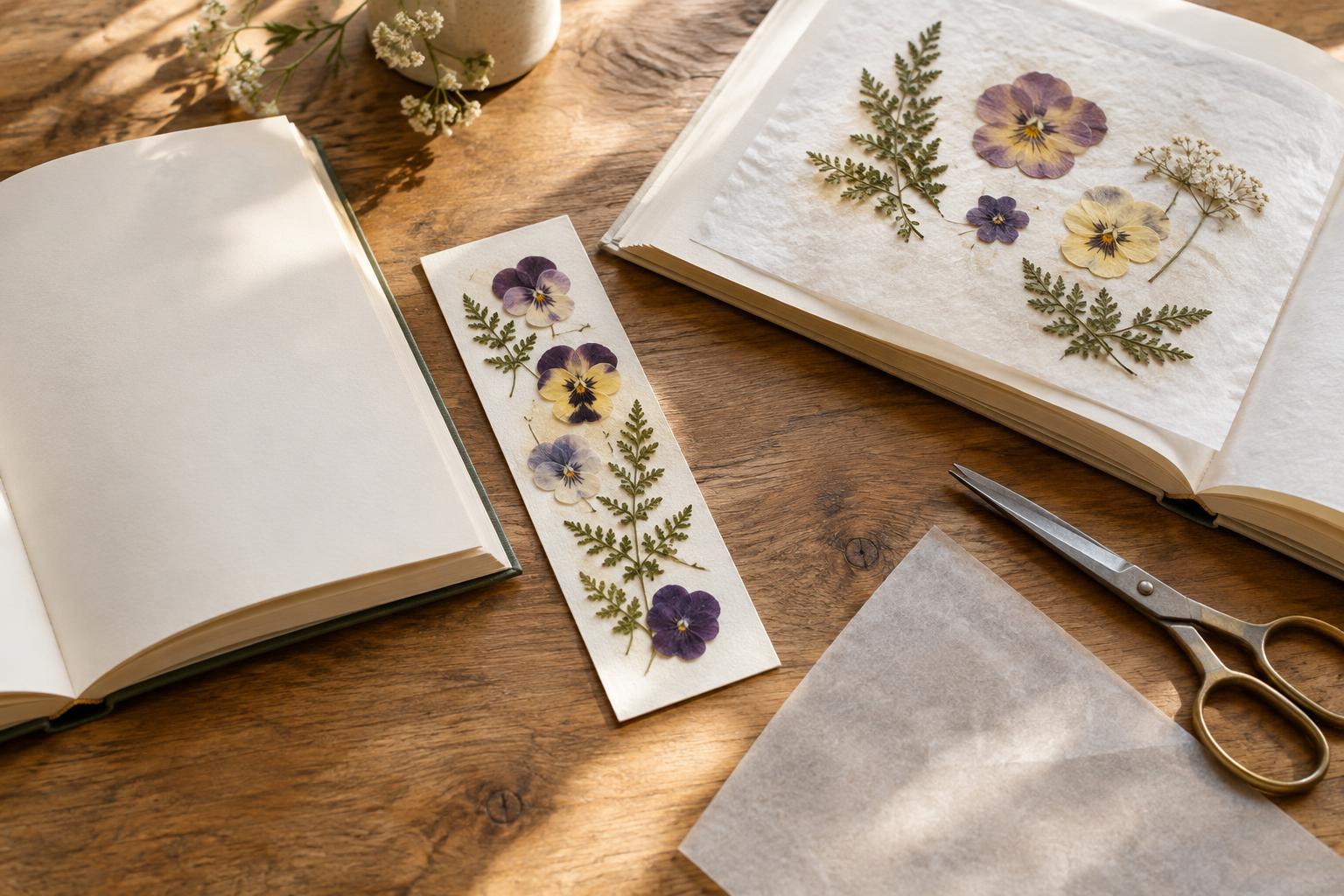
Creative HobbiesA pressed-flower bookmark is a small, affordable project, but sealing a flower too soon can leave moisture inside. Learn how to choose and dry flowers, check that they are ready, and assemble a bookmark that is pleasant to use.
Read article · 4 min↗
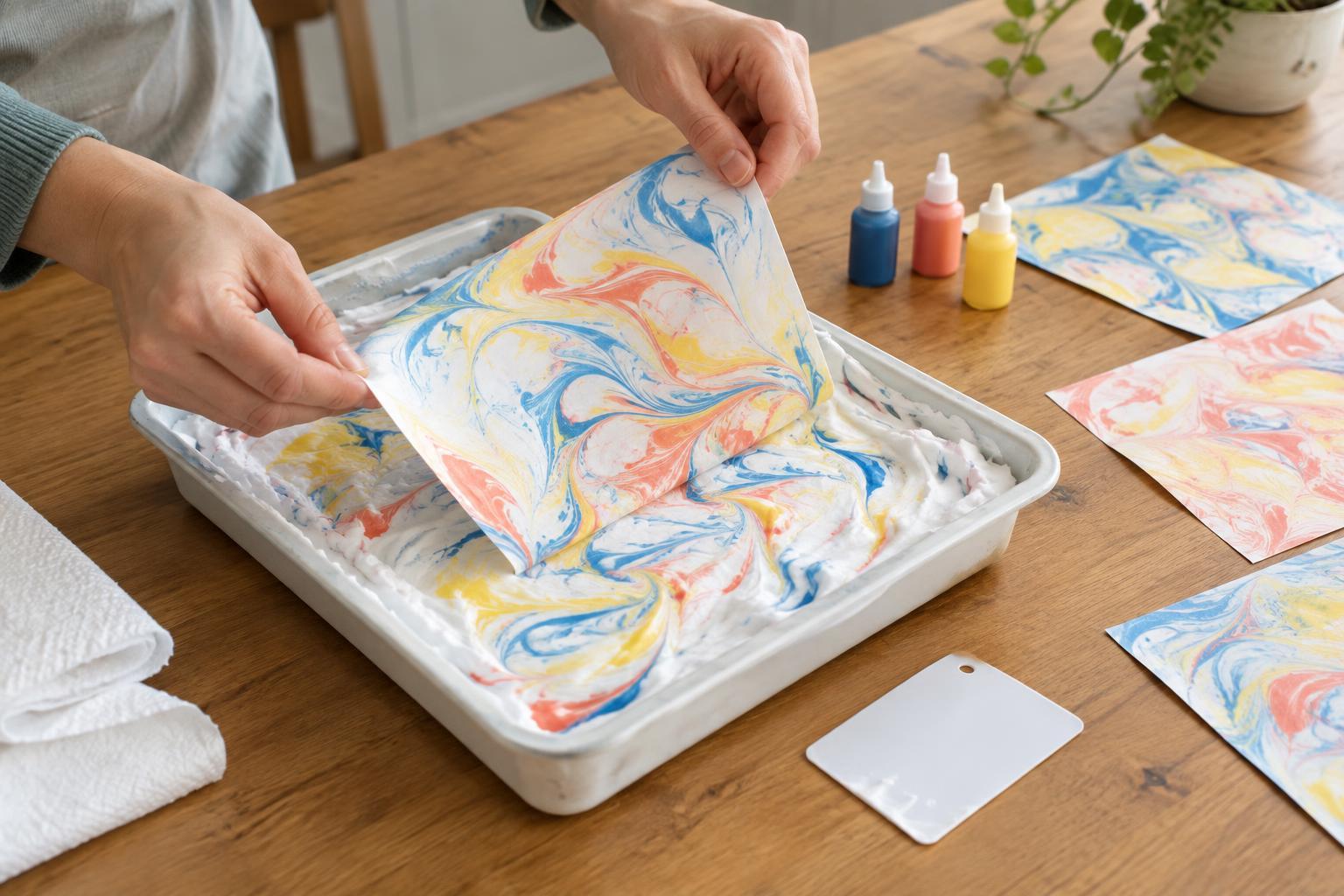
Creative HobbiesTurn plain paper into colorful, one-of-a-kind sheets with shaving cream, a few drops of color, and a spare card. This beginner-friendly guide covers a simple setup, the marbling process, cleanup, and ways to use the finished paper.
Read article · 4 min↗
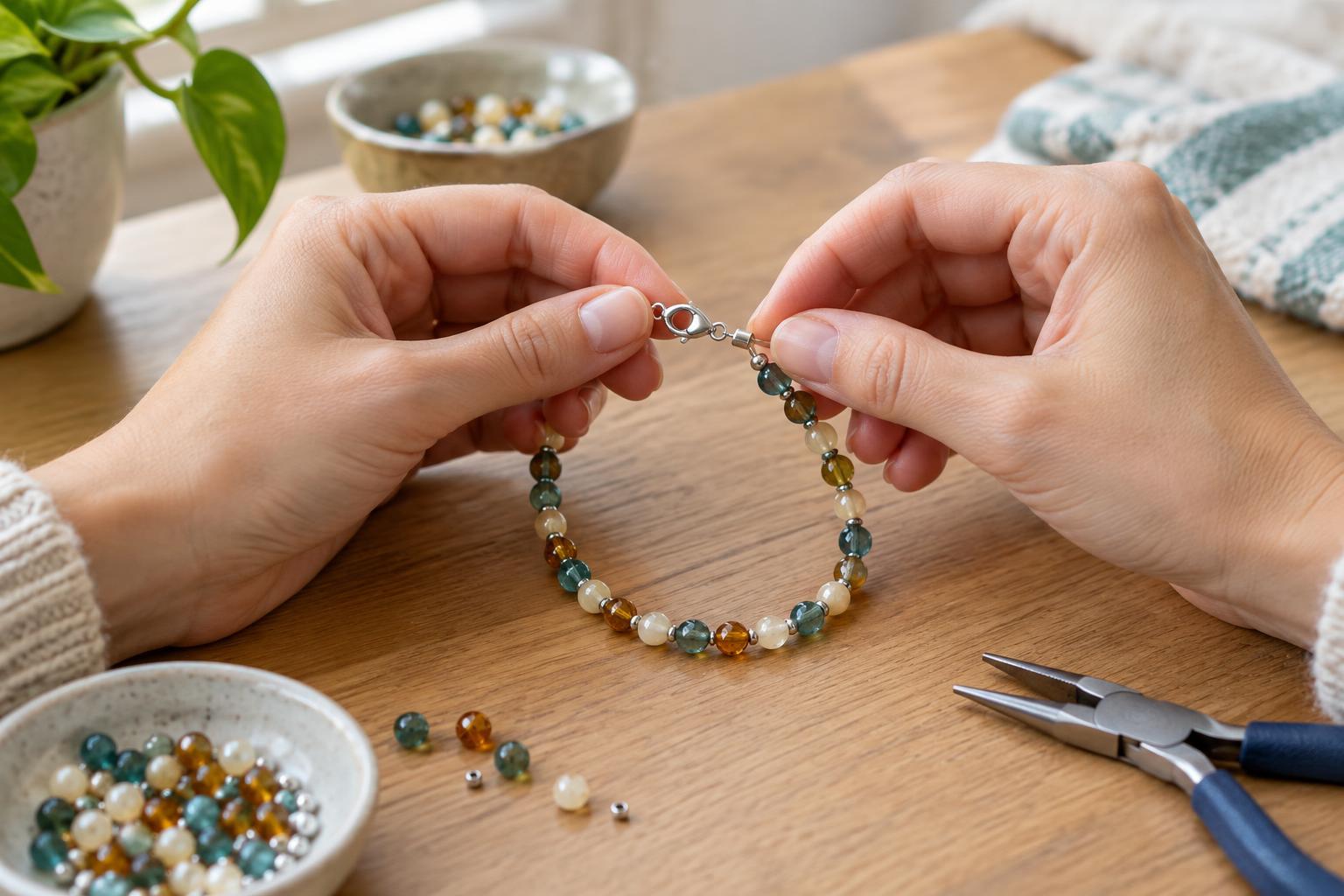
Creative HobbiesMake a bracelet that is comfortable to wear and less likely to come apart. This beginner-friendly guide covers bead selection, sizing, crimping and attaching a lobster clasp.
Read article · 4 min↗
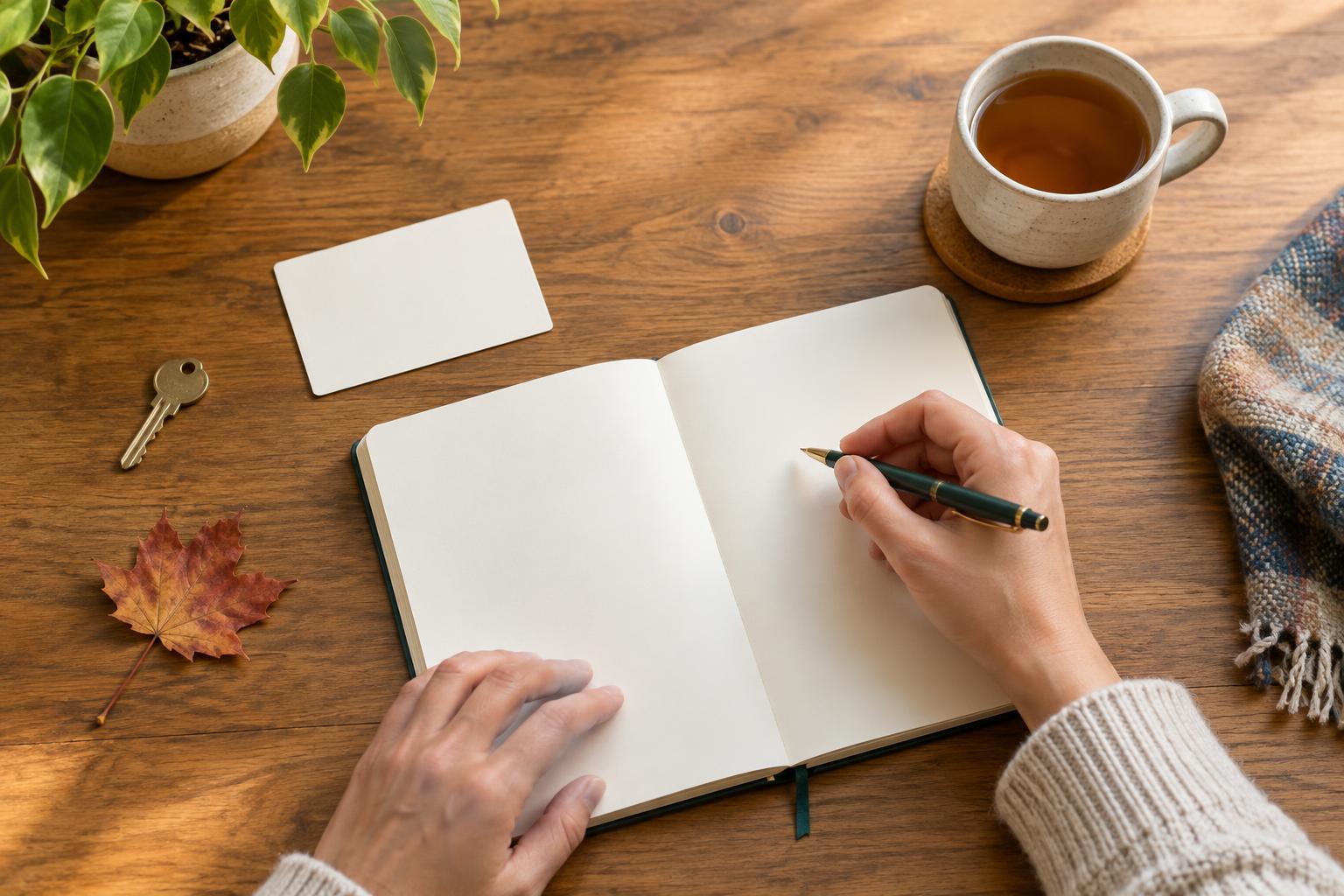
Creative HobbiesA blank page is less intimidating when you start small. Learn how to turn one ordinary prompt into a complete 300-word story, with a focused character, a small choice and an ending that lingers.
Read article · 4 min↗
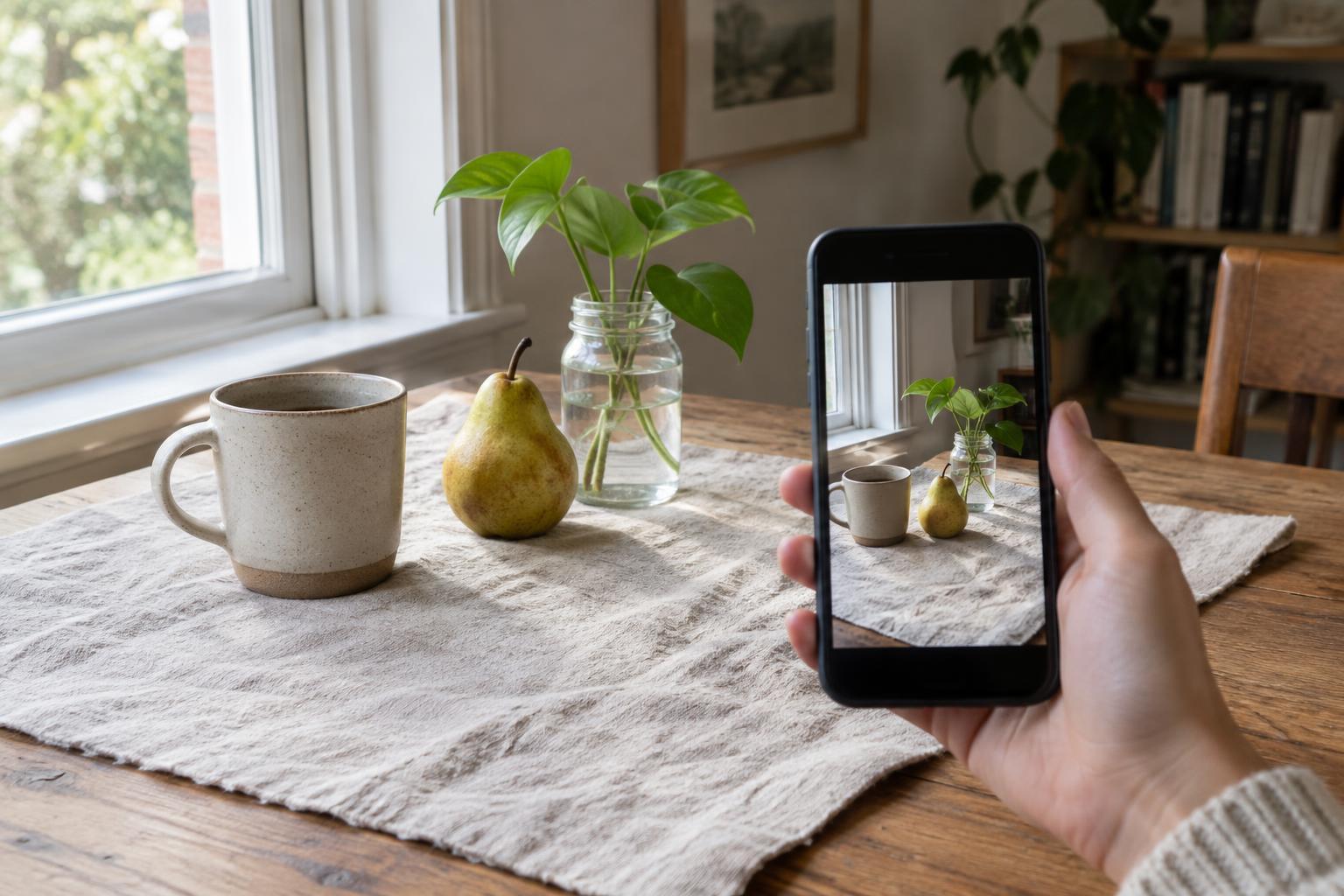
Creative HobbiesA window, a phone and a few everyday objects are enough to make a still-life photograph. Learn how to arrange a simple scene, shape natural light, focus your shot and make small edits without buying special equipment.
Read article · 5 min↗
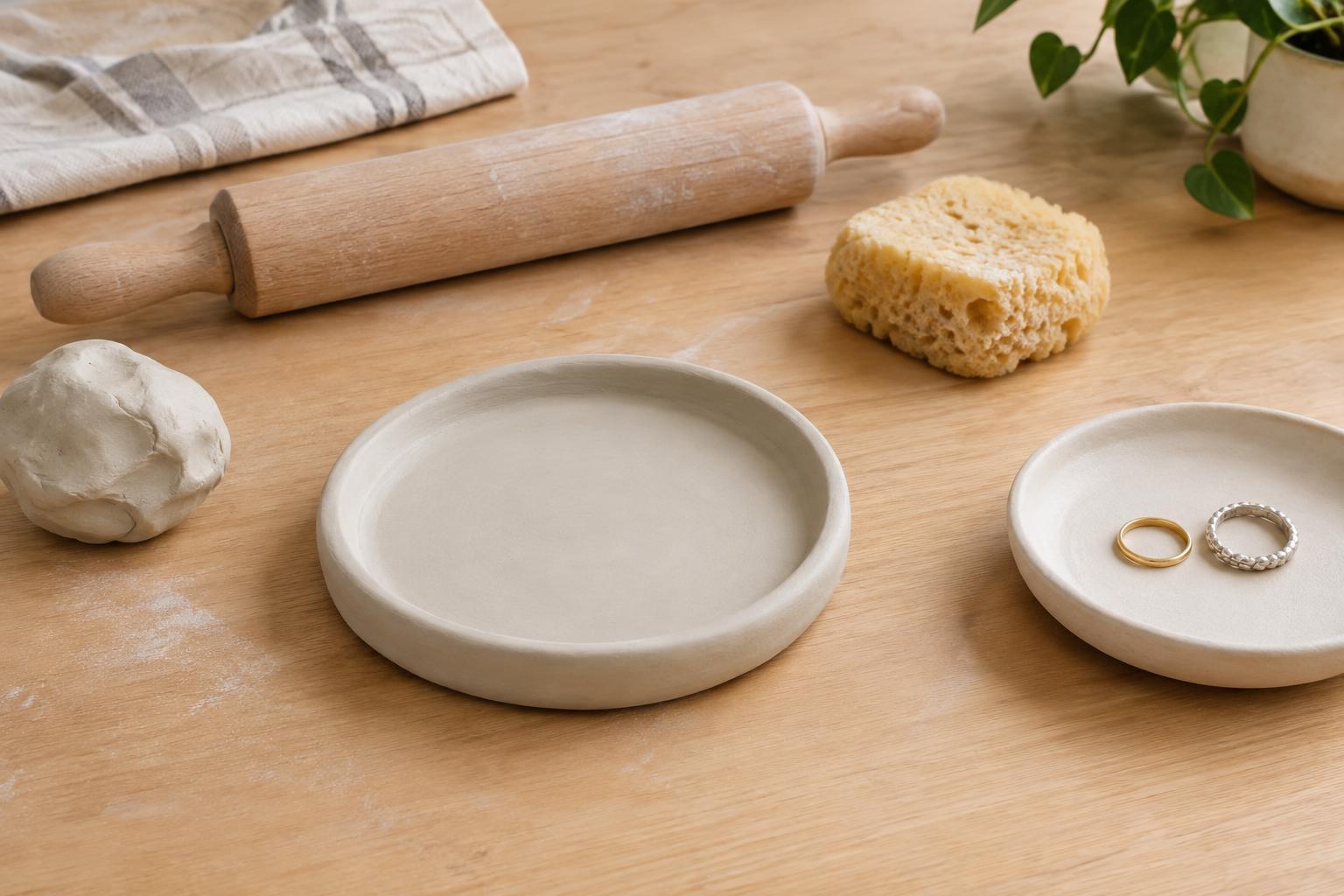
Creative HobbiesA small trinket tray is a welcoming first air-dry clay project. Learn how to shape a shallow dish, keep its thickness even, dry it patiently, and finish it for everyday use.
Read article · 4 min↗
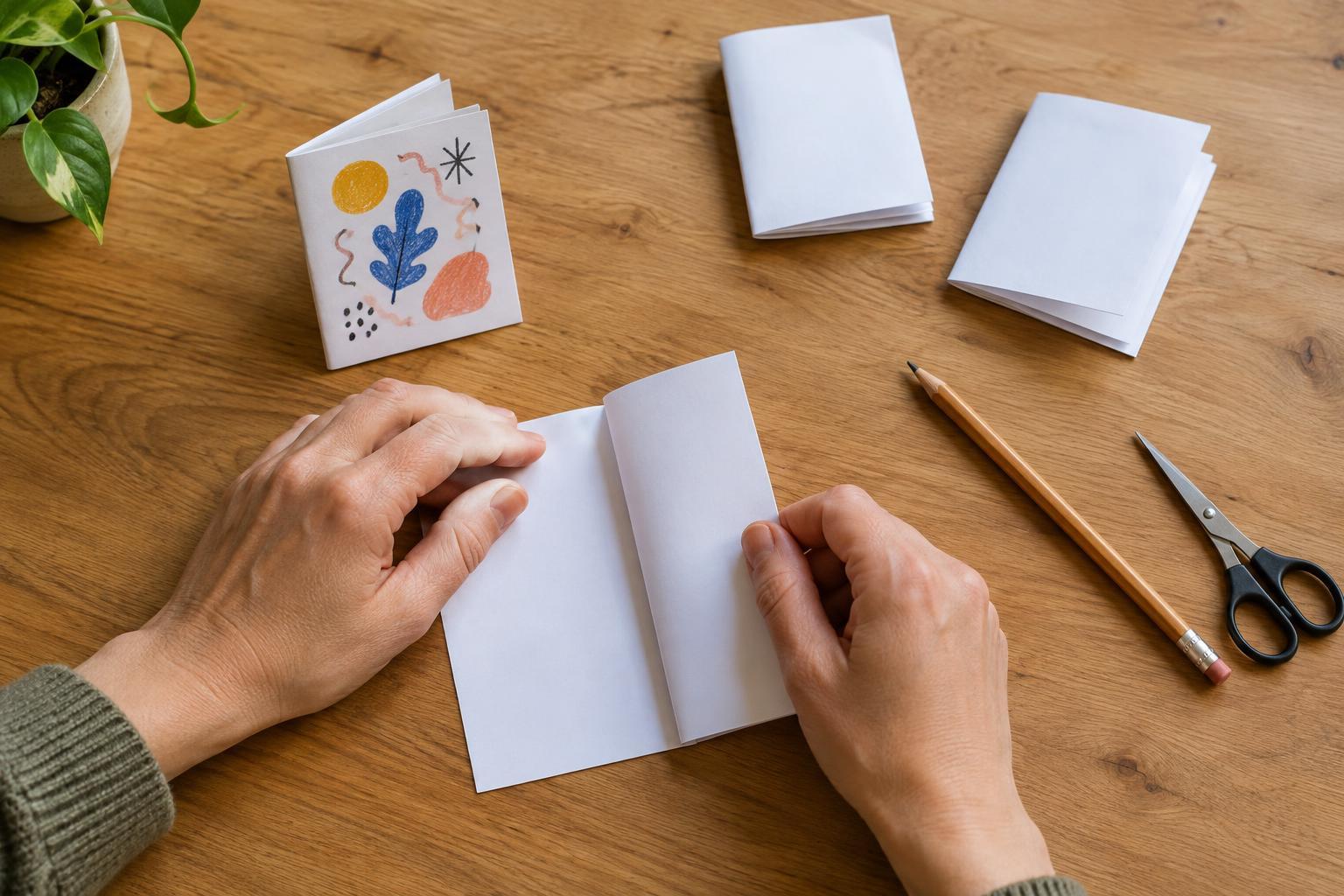
Creative HobbiesTurn one sheet of paper into a tiny eight-page booklet. This guide walks you through the folds, the single cut, and a simple way to plan pages without guessing which way the artwork should face.
Read article · 4 min↗
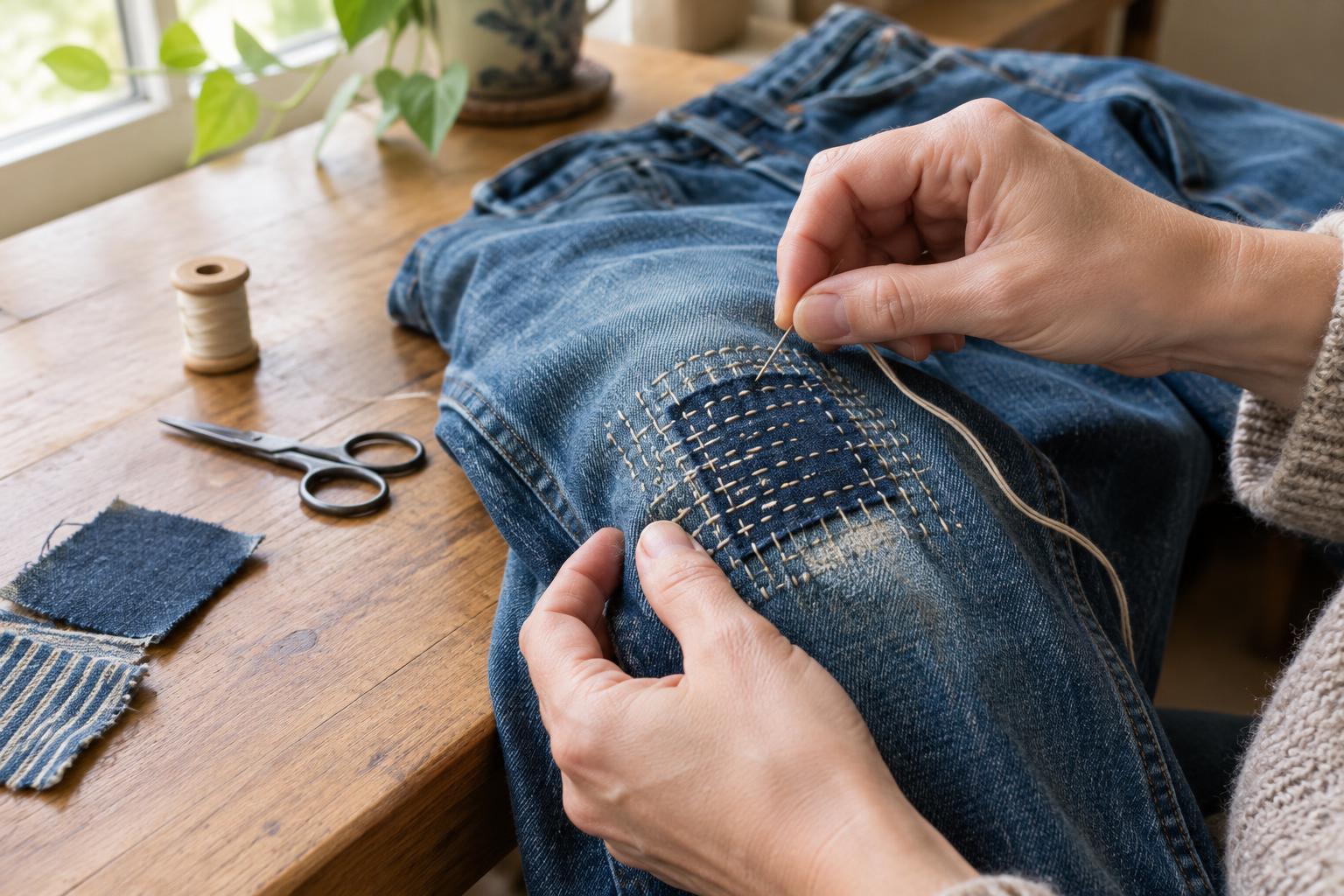
Creative HobbiesA worn spot in your jeans can become a small creative project. Learn how to choose a patch, secure it with hand stitches, and make the repair part of the design.
Read article · 4 min↗
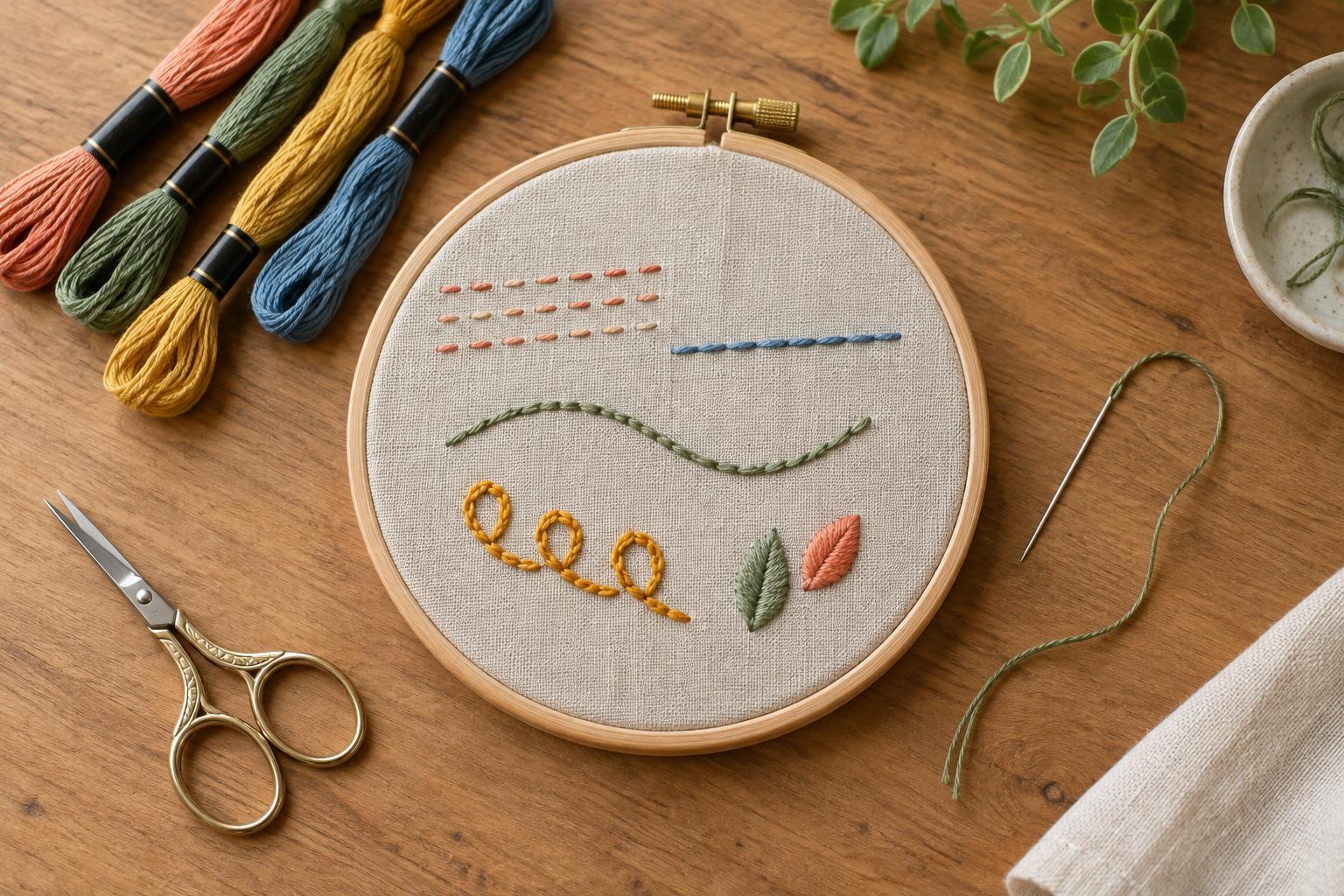
Creative HobbiesLearn five versatile embroidery stitches by making a small sampler you can finish over a few relaxed sessions. This guide covers simple supplies, an easy layout, and practical ways to keep your stitches neat without aiming for perfection.
Read article · 5 min↗
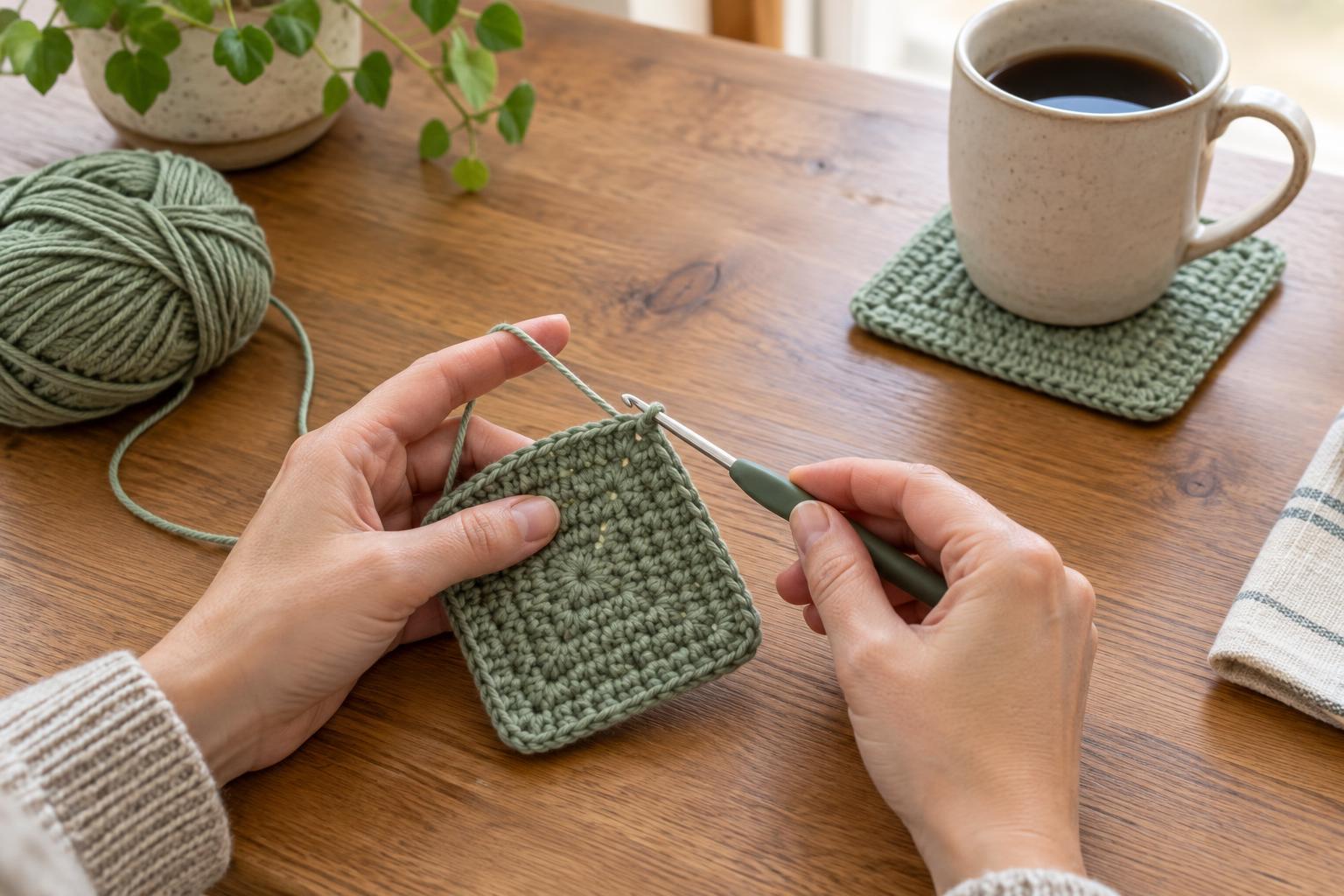
Creative HobbiesMake a simple square coaster while learning two essential crochet moves: the chain and the single crochet stitch. This beginner-friendly project walks you through starting, turning, counting stitches and finishing neatly.
Read article · 4 min↗
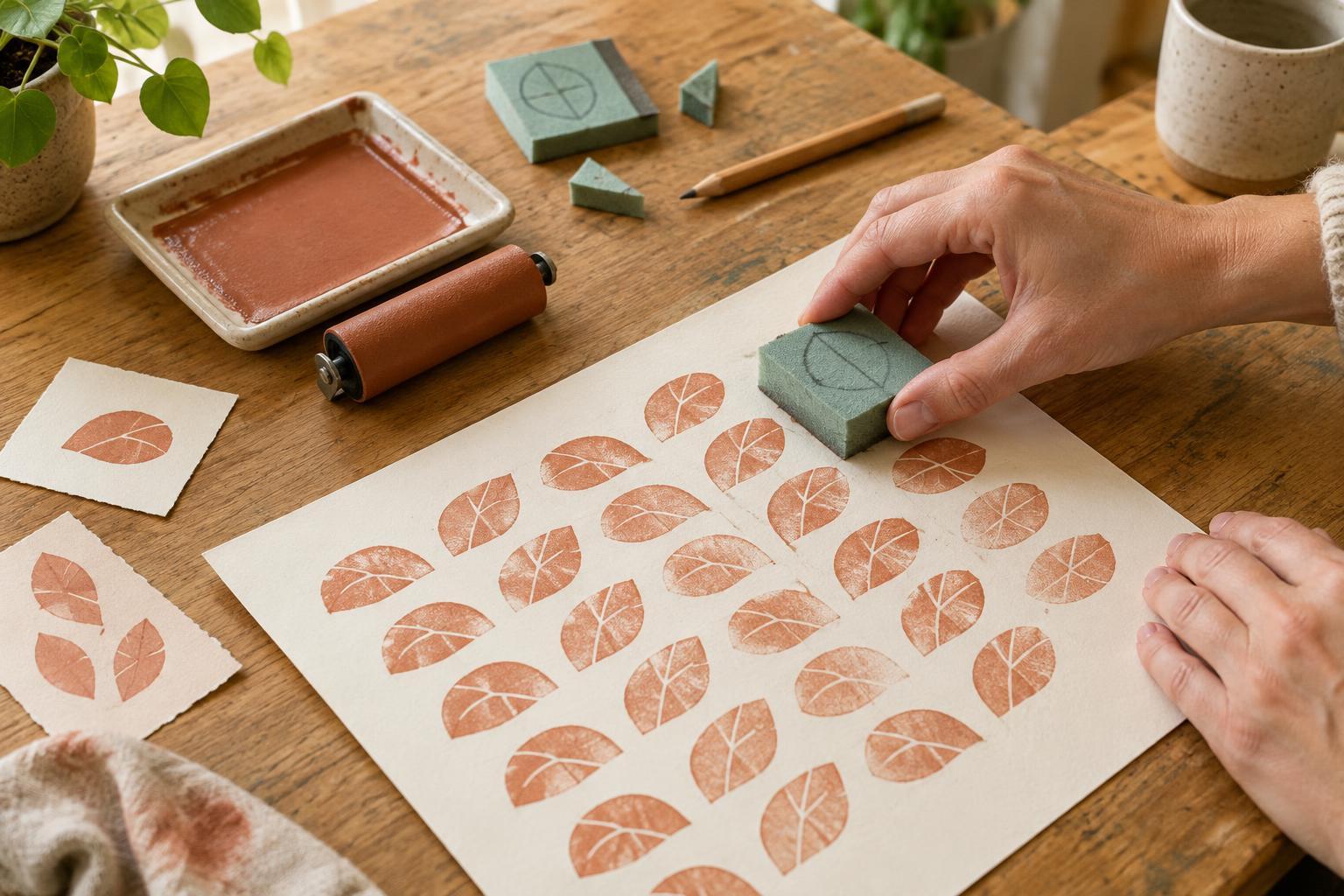
Creative HobbiesTurn a small sheet of craft foam into a reusable printing block. Learn how to draw a design with a blunt pencil, apply ink, and arrange simple shapes into repeat patterns on paper.
Read article · 4 min↗
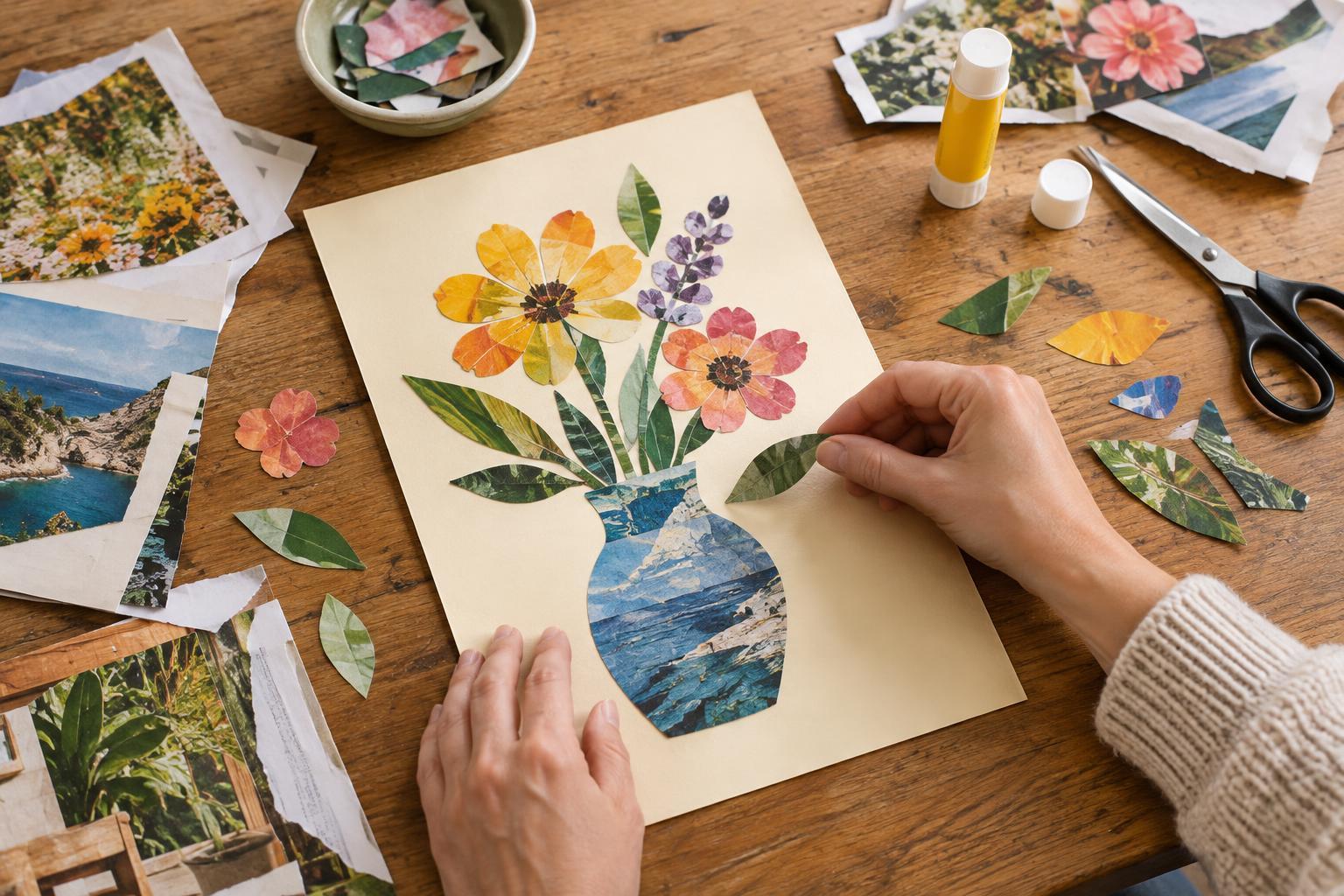
Creative HobbiesTurn old magazines into a colorful collage with a few basic supplies. Learn how to choose a simple idea, cut and arrange pieces, glue them neatly, and finish a piece you’ll enjoy displaying.
Read article · 4 min↗
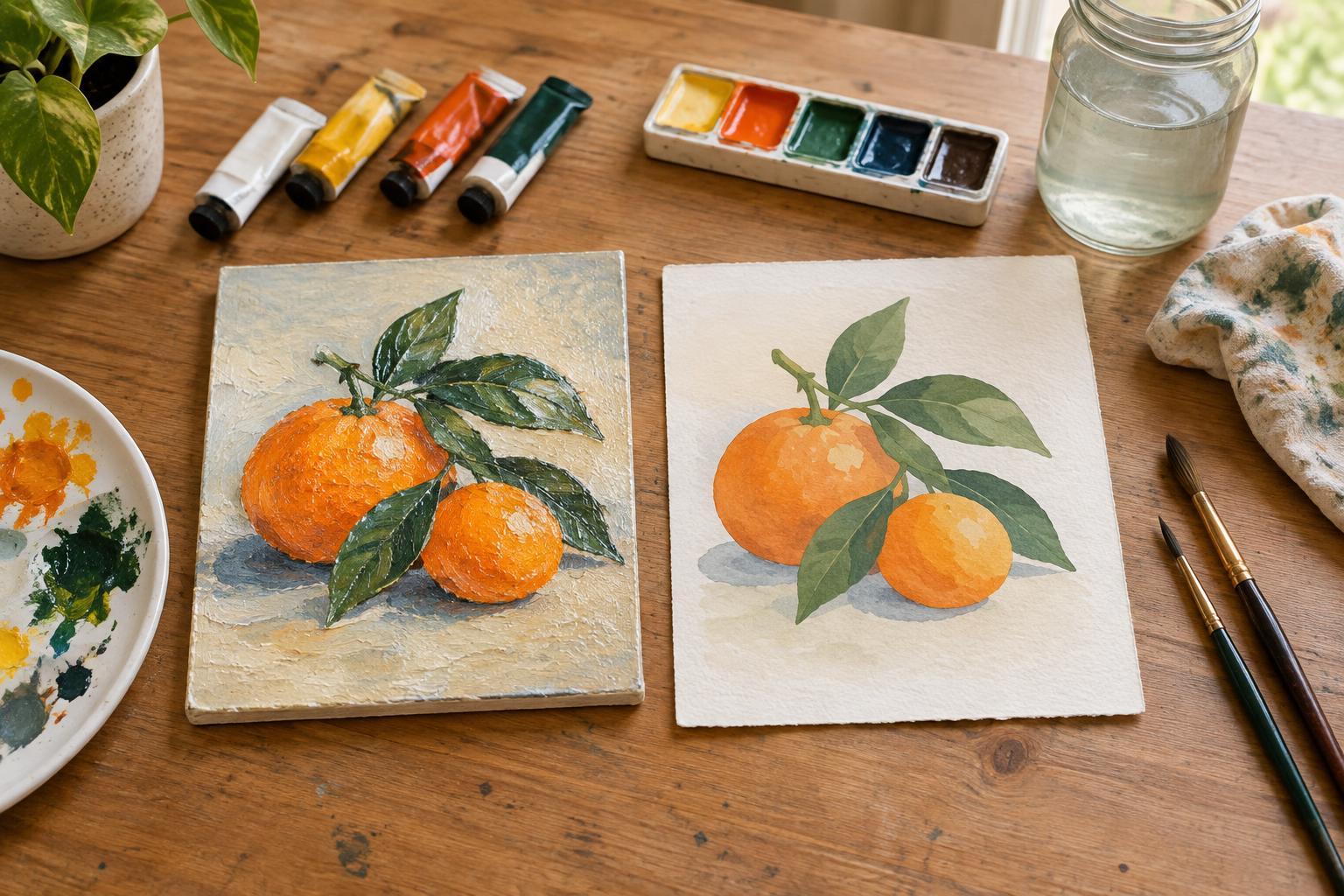
Creative HobbiesAcrylic and gouache can both make a satisfying first painting, but they reward different approaches. Compare how they look, handle mistakes, work on common surfaces and fit a small starter budget before choosing a project.
Read article · 4 min↗
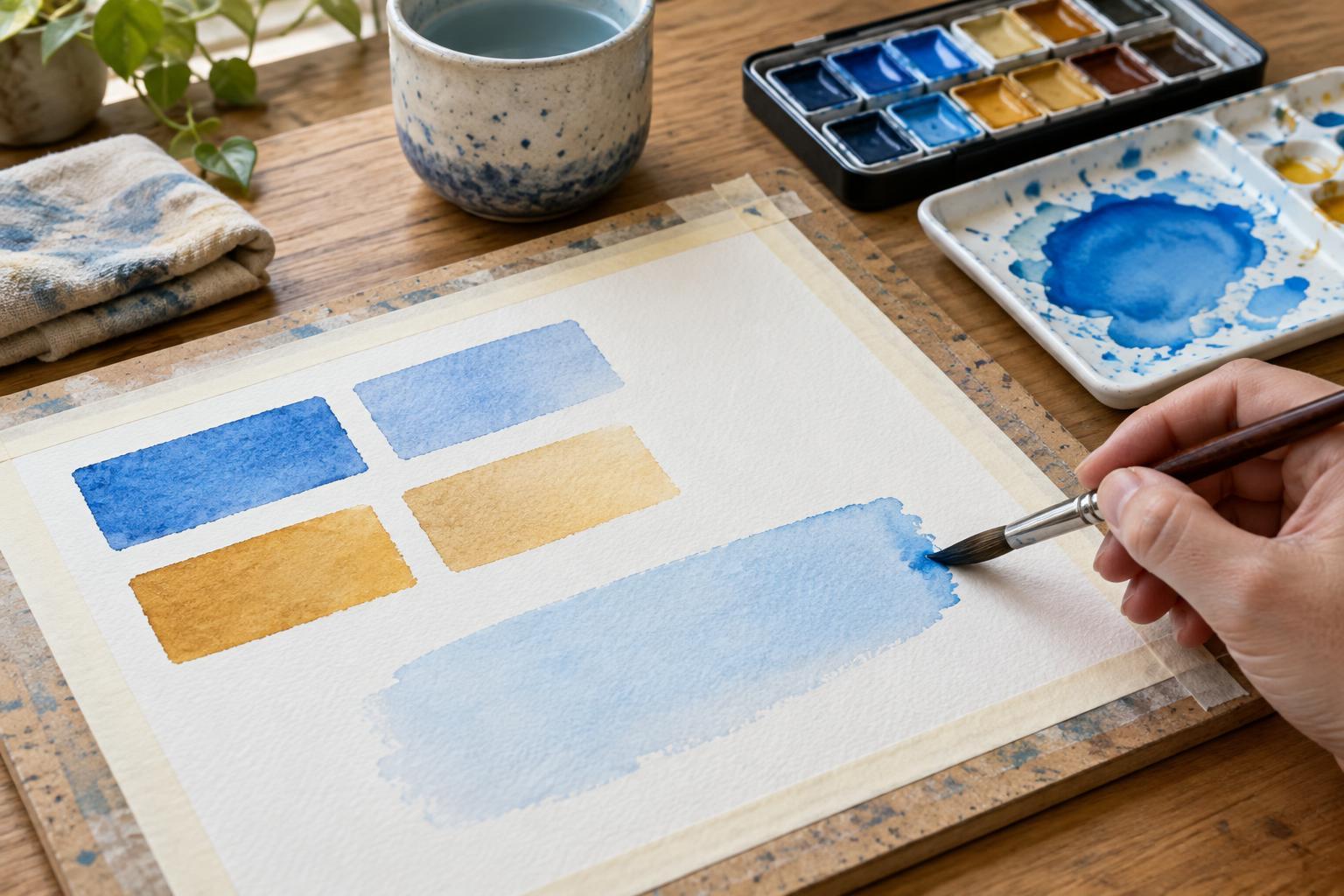
Creative HobbiesA flat wash is a simple way to practice water control in watercolor. Learn how to prepare your paper and paint, keep a wet edge across the page, and build clean color with a few short exercises.
Read article · 4 min↗
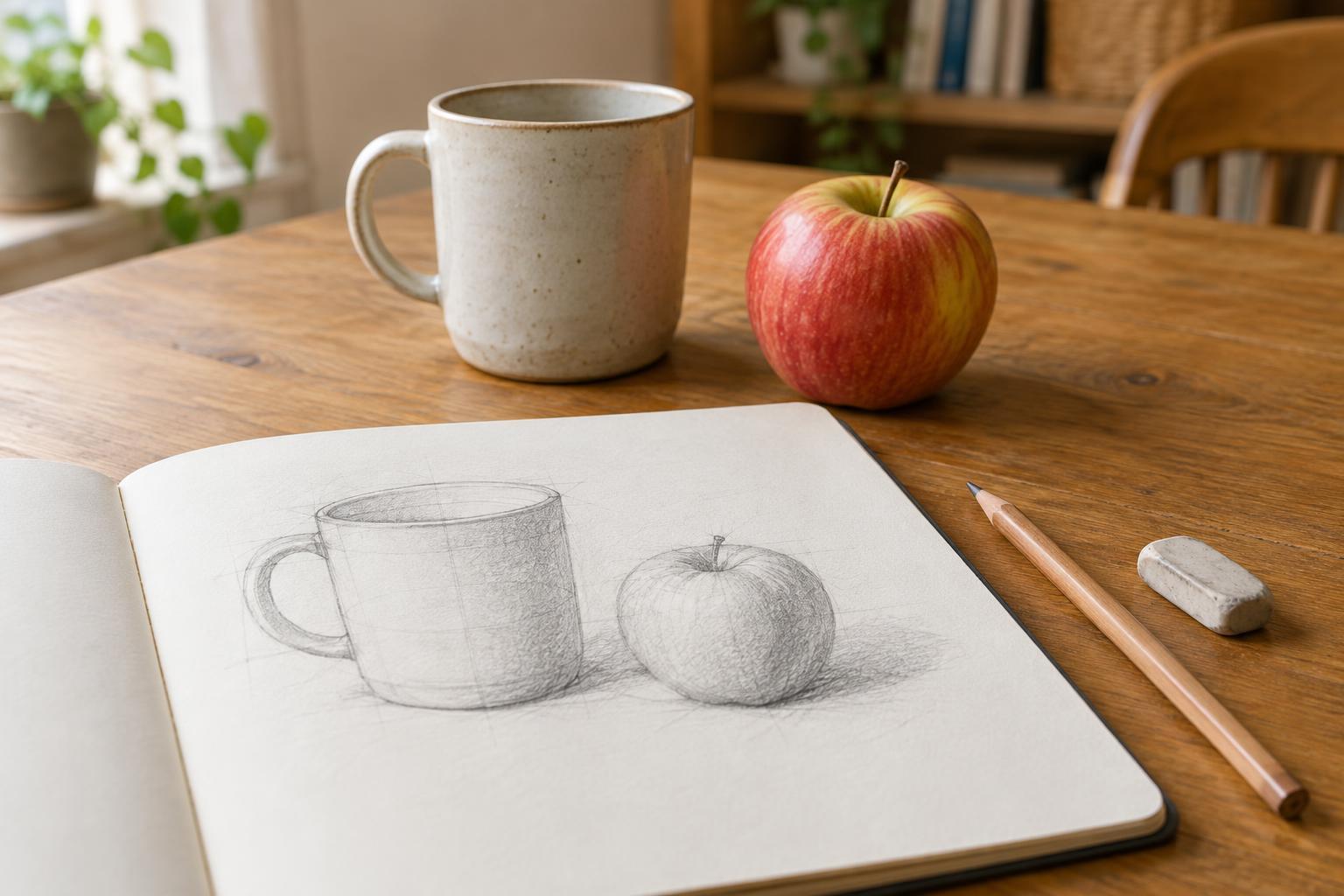
Creative HobbiesYou do not need special supplies or a talent for drawing to begin sketching from life. Learn how to choose a simple object, look for basic shapes, compare proportions, add shadows and build a short practice habit.
Read article · 4 min↗
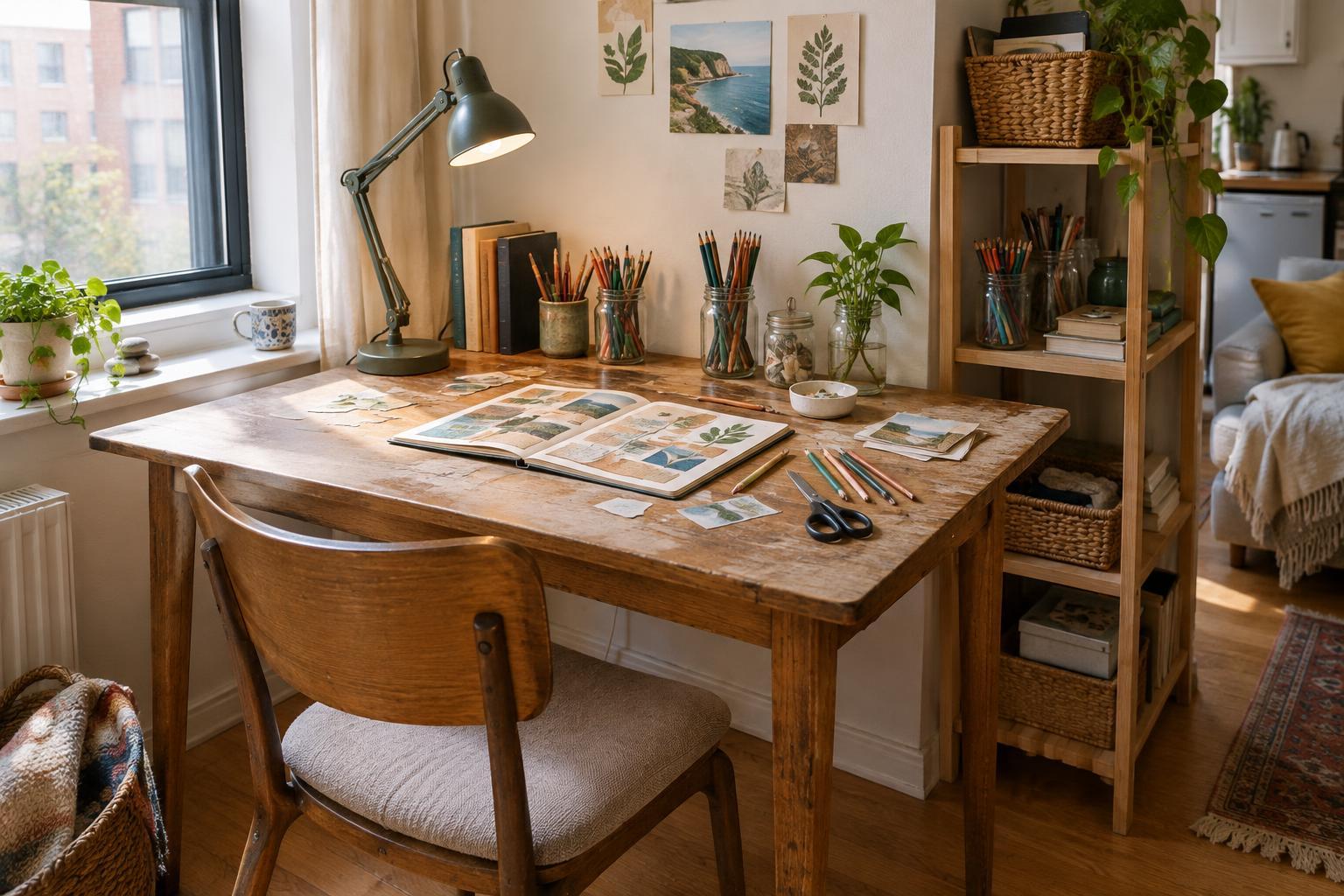
Creative HobbiesYou do not need a spare room or expensive furniture to make space for a creative hobby. Start with the projects you actually do, choose a surface you can clear easily, and keep your most-used supplies close at hand. These practical steps can help a small workspace fit both your home and your budget.
Read article · 4 min↗
 Everyday Skills